-
Call Now ! +86 18231158869
-
Email Now [email protected]

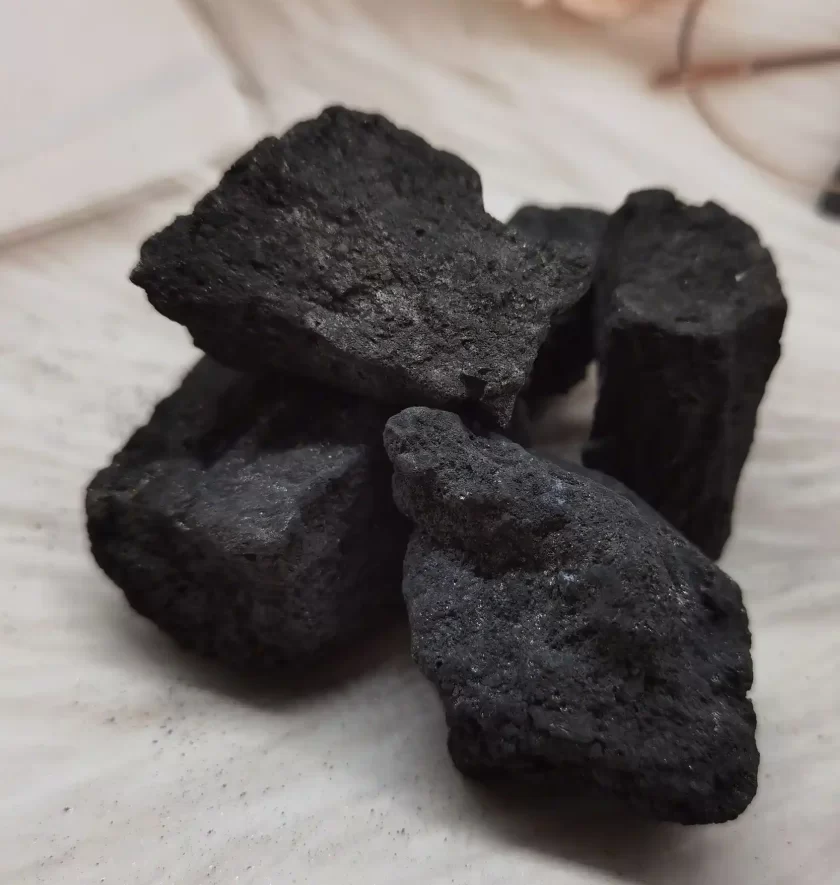
B2B Coke Fired Pit Furnace
B2B Coke Fired Pit Furnace: High-Capacity Thermal Processing Units
Technical Overview and Industrial Role
In industrial thermal processing, the coke fired pit furnace is engineered for applications requiring high-temperature stability and a specific reducing or oxidizing atmosphere. Unlike gas-fired units, the combustion of coke provides a dense energy source and a carbon-rich environment that is essential for metallurgical reduction and chemical reactions. The "pit" configuration allows for high-volume loads to be processed in a shallow geometry, facilitating uniform heat distribution and simplifying material handling for large-scale production cycles.
These units are constructed to withstand extreme thermal stress associated with frequent heating and cooling of bulk materials. By utilizing the high caloric value of metallurgical coke, the furnace maintains consistent core temperatures even when processing high-thermal-mass materials.
Design and Engineering Principles
The structural integrity of a coke fired pit furnace depends on the strategic selection of refractory materials and thermal insulation. Engineers typically utilize high-alumina bricks or specialized castables for the pit lining to resist chemical erosion from the slag produced during coke combustion. The air distribution system is critical; a series of undergrers or perforated burners ensures that oxygen reaches the coke bed uniformly, preventing cold spots that could lead to incomplete combustion or uneven product quality.
Thermal efficiency is optimized through multi-layered insulation, consisting of high-density refractory layers backed by low-density ceramic fiber modules. This configuration minimizes the outer shell temperature, ensuring safer operational environments and reducing overall overall heat loss. The design also accounts for thermal expansion by incorporating expansion joints that prevent structural cracking of the refractory lining during rapid heating.
Technical Specifications
| Parameter | Typical Values / Customizable Options |
|---|---|
| Maximum Operating Temperature | 1200°C - 1650°C |
| Load Capacity | 5 tons to 50+ tons (per project requirement) |
| Refractory Material | High-alumina, Silicon Carbide, or Mullite-based |
| Atmosphere Control | Reducing, Oxidizing, or Neutral |
| Fuel Type | Metallurgical coke, de-sulfurized coke |
| Shell Material | Reinforced steel with heat-resistant plating |
Industrial Applications
The coke fired pit furnace is utilized in sectors where the chemical environment of the furnace is as important as the temperature itself.
- Metallurgy and Refining: Used for the reduction of ores where a carbon-rich atmosphere is required to remove oxides.
- Glass Manufacturing: Provides the consistent thermal mass necessary for refining glass batches and maintaining specific viscosity profiles.
- Lime Calcination: Effective for converting limestone into quicklime through high-heat thermal decomposition.
- Heat Treatment: Suitable for large-scale annealing of heavy metal components that require prolonged soaking at high temperatures.
Material Selection and Thermal Efficiency
Material selection for the furnace pit is dictated by the chemical compatibility of the charge material. For processes involving corrosive slags, the pit floor is often lined with silicon carbide tiles to prevent rapid abrasion and erosion. Conversely, for standard thermal cycles, high-alumina bricks offer a cost-effective balance between durability and thermal shock resistance.
Efficiency is further enhanced through the integration of heat recovery systems. By ducting exhaust gases through pre-heaters for the combustion air, the overall fuel consumption per ton processed is significantly reduced. This not only lowers operational costs but decreases the carbon footprint of the industrial facility.
Frequently Asked Questions
Can the furnace dimensions be customized for specific facility layouts?
Yes, the pit geometry and overall furnace dimensions are engineered based on the specific material throughput requirements and the spatial constraints of the manufacturing plant.
What information is required before a formal quotation?
To provide an accurate proposal, we require the target operating temperature, material load capacity, type of material being processed, and the desired atmospheric conditions.
How is the quality of the refractory lining inspected?
Each unit undergoes a rigorous inspection of the refractory lining, including thickness checks and thermal imaging during test testing, to ensure it meets the engineering specifications before shipment.
Ready to integrate specialized thermal processing into your production line?
Our engineering team can provide technical consultations and custom designs tailored to your specific industrial requirements.
Request Technical Specifications and Quotation
×