-
Call Now ! +86 18231158869
-
Email Now [email protected]

The Role of Carbon Coke In Modern Steelmaking
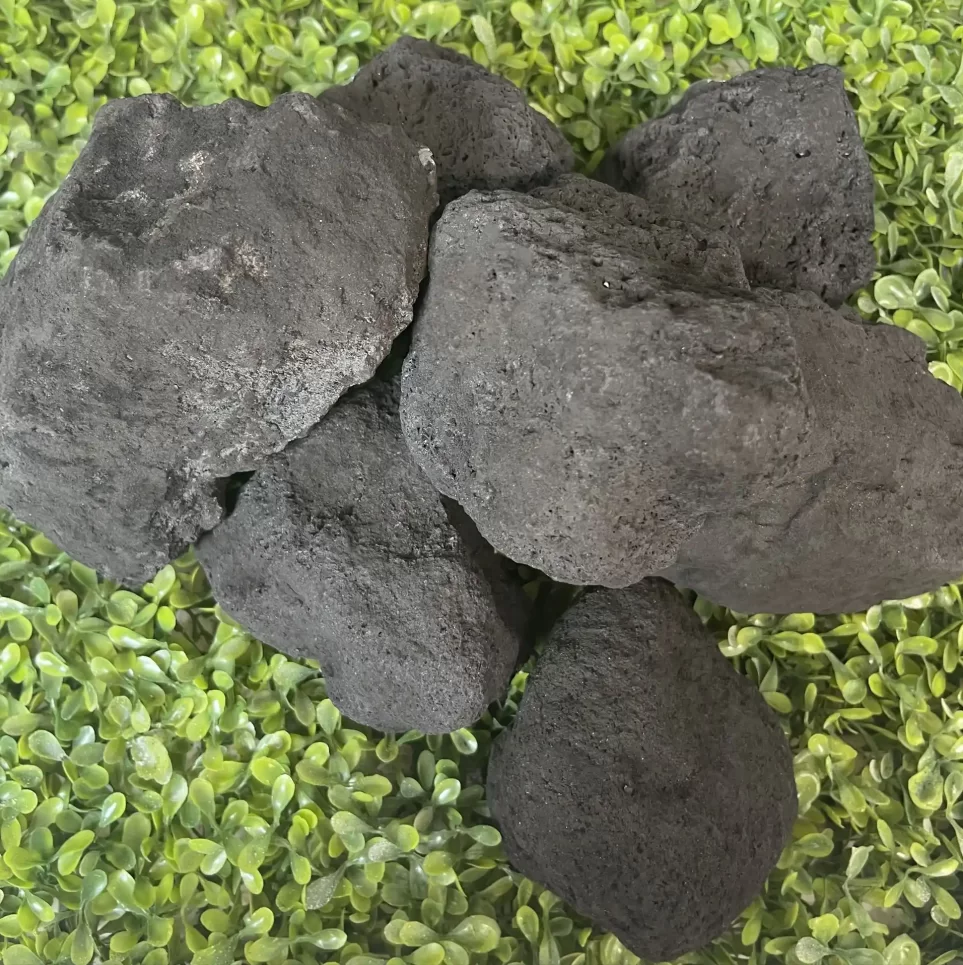
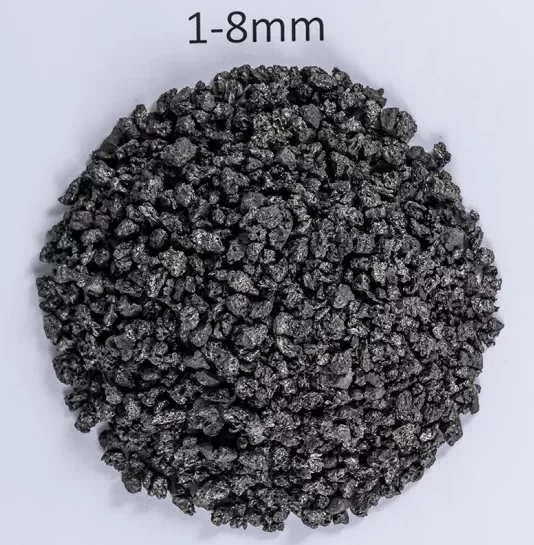
Carbon Coke is a critical raw material widely used in steel production, serving as a high-quality carbon source and energy provider in steelmaking processes. In electric arc furnaces (EAF) and blast furnaces, Carbon Coke plays a vital role in controlling the carbon content of molten steel, which directly affects the mechanical properties, hardness, and overall quality of the final product. Its high carbon content and low impurities ensure consistent performance and minimal contamination during metallurgical reactions.
In steel plants, Carbon Coke is primarily used as a carburizing agent to replenish carbon lost during refining or to achieve specific steel grades. By adding Carbon Coke to the molten metal, steelmakers can efficiently adjust carbon levels to meet production requirements, optimize furnace reactions, and enhance energy efficiency. The material’s consistent quality and uniform structure also help in reducing furnace wear and extending equipment life.
Role Of Recarburizer In Foundry
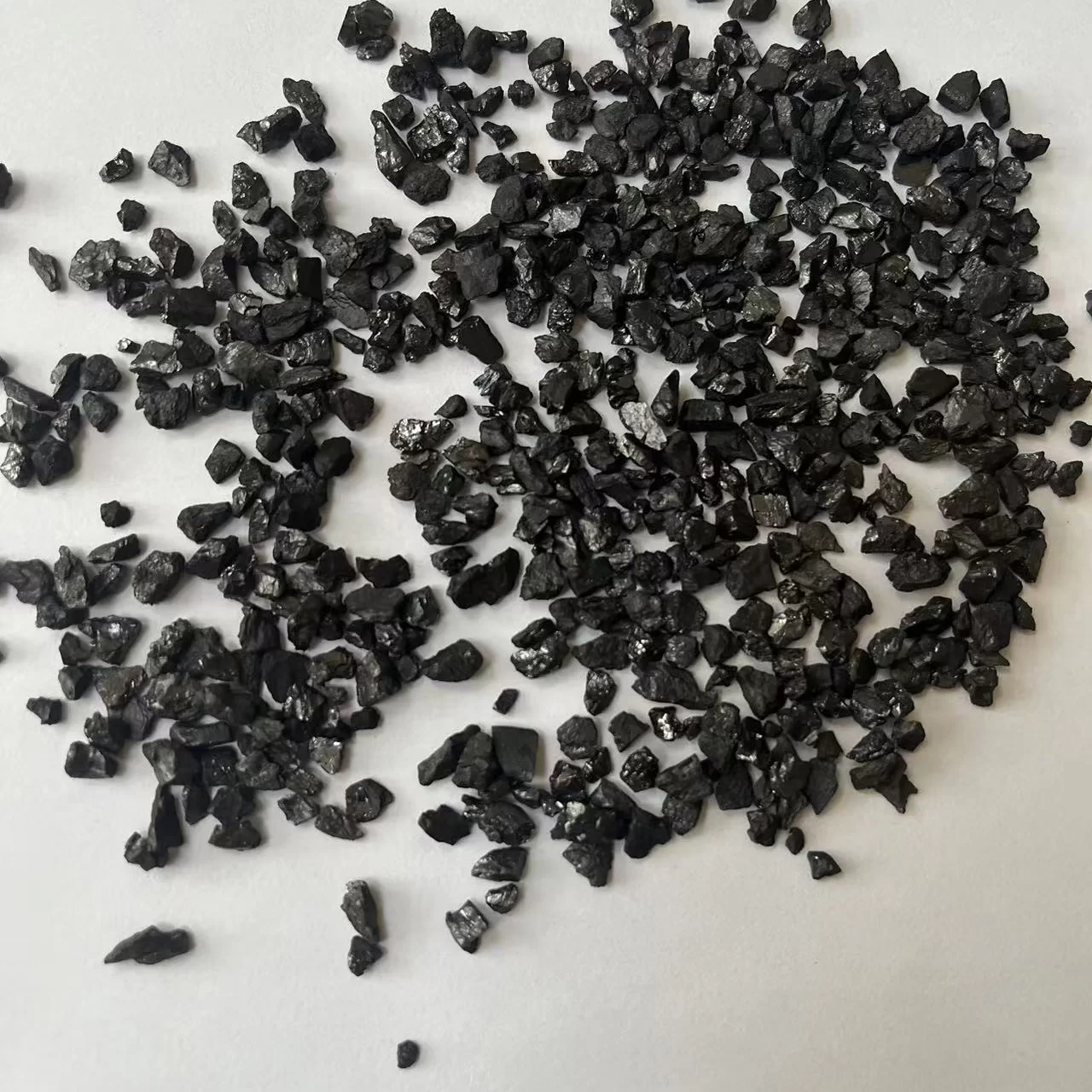
Recarburizer is an essential material in foundry operations, primarily used to control and restore the carbon content in molten metal during the production of cast iron and steel components. In foundries, maintaining precise carbon levels is critical for achieving the desired mechanical properties, strength, hardness, and surface quality of cast products. Recarburizers are typically made from high-purity carbon sources such as petroleum coke, graphite, or anthracite, ensuring low impurities and consistent performance.
Graphite Powder In Battery And Energy Technologies
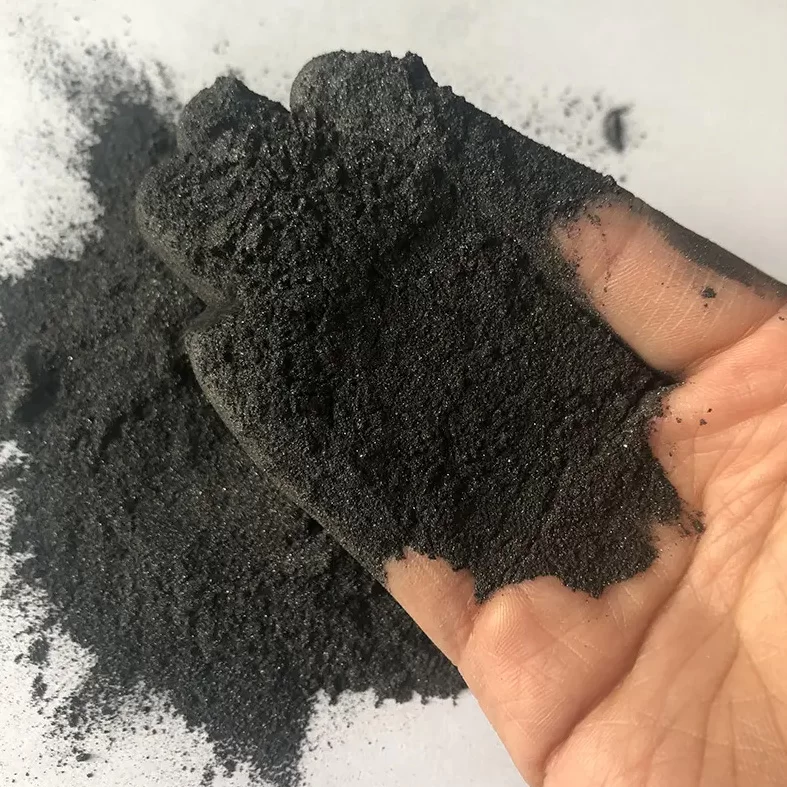
Graphite powder is a key material in the battery and energy sectors due to its excellent electrical conductivity, chemical stability, and high thermal resistance. One of its primary applications is as an anode material in lithium-ion batteries, which power electric vehicles, portable electronics, and large-scale energy storage systems. In this role, graphite powder provides a stable host structure for lithium ions during charge and discharge cycles, ensuring high capacity, long cycle life, and reliable performance.
Graphite Electrodes In Ladle Furnaces
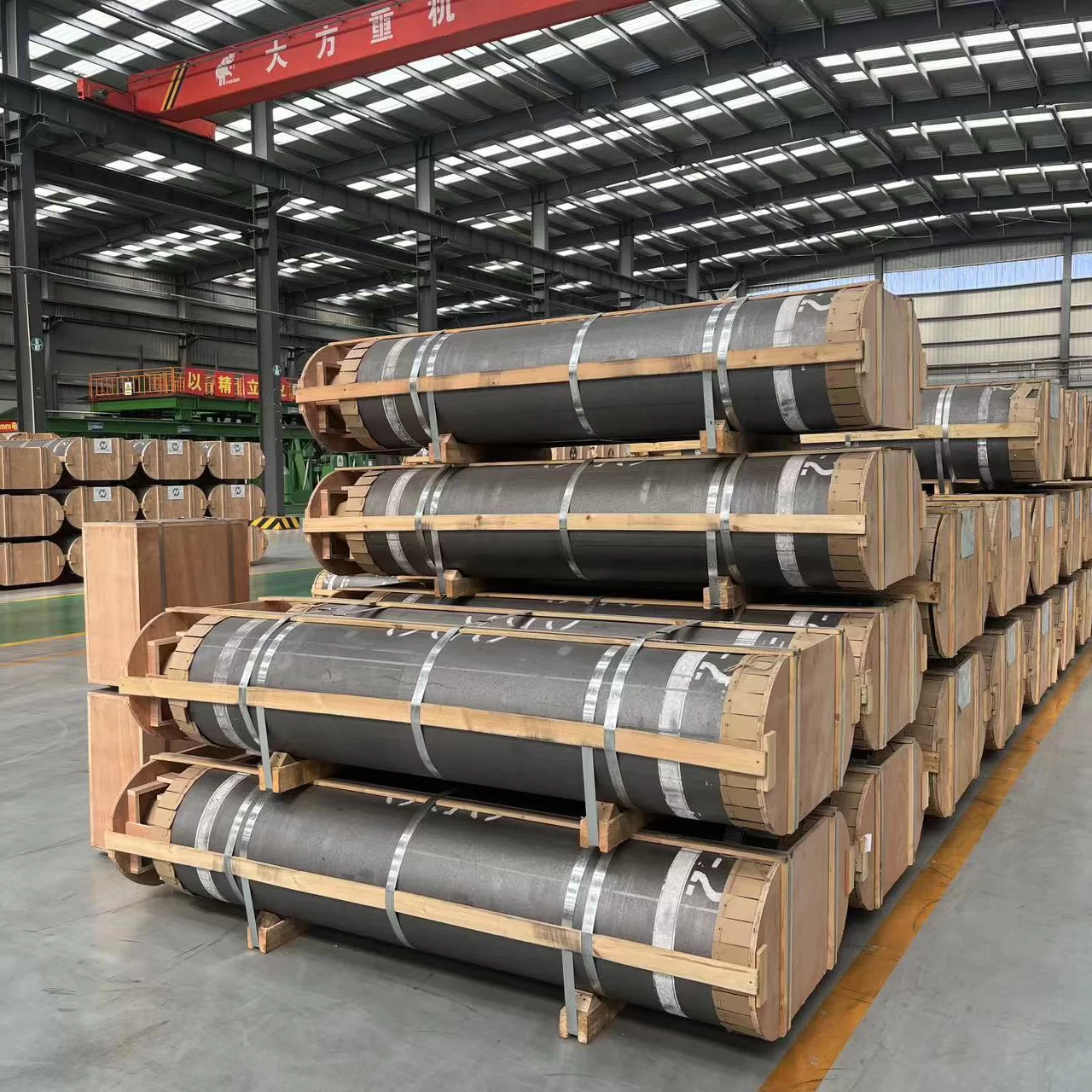
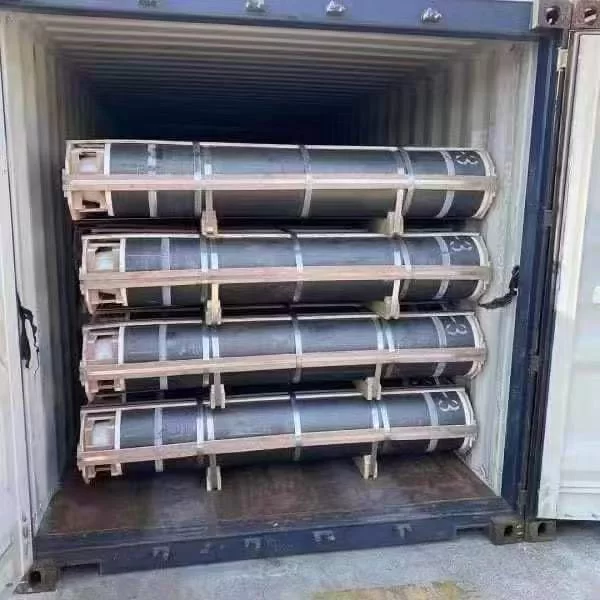
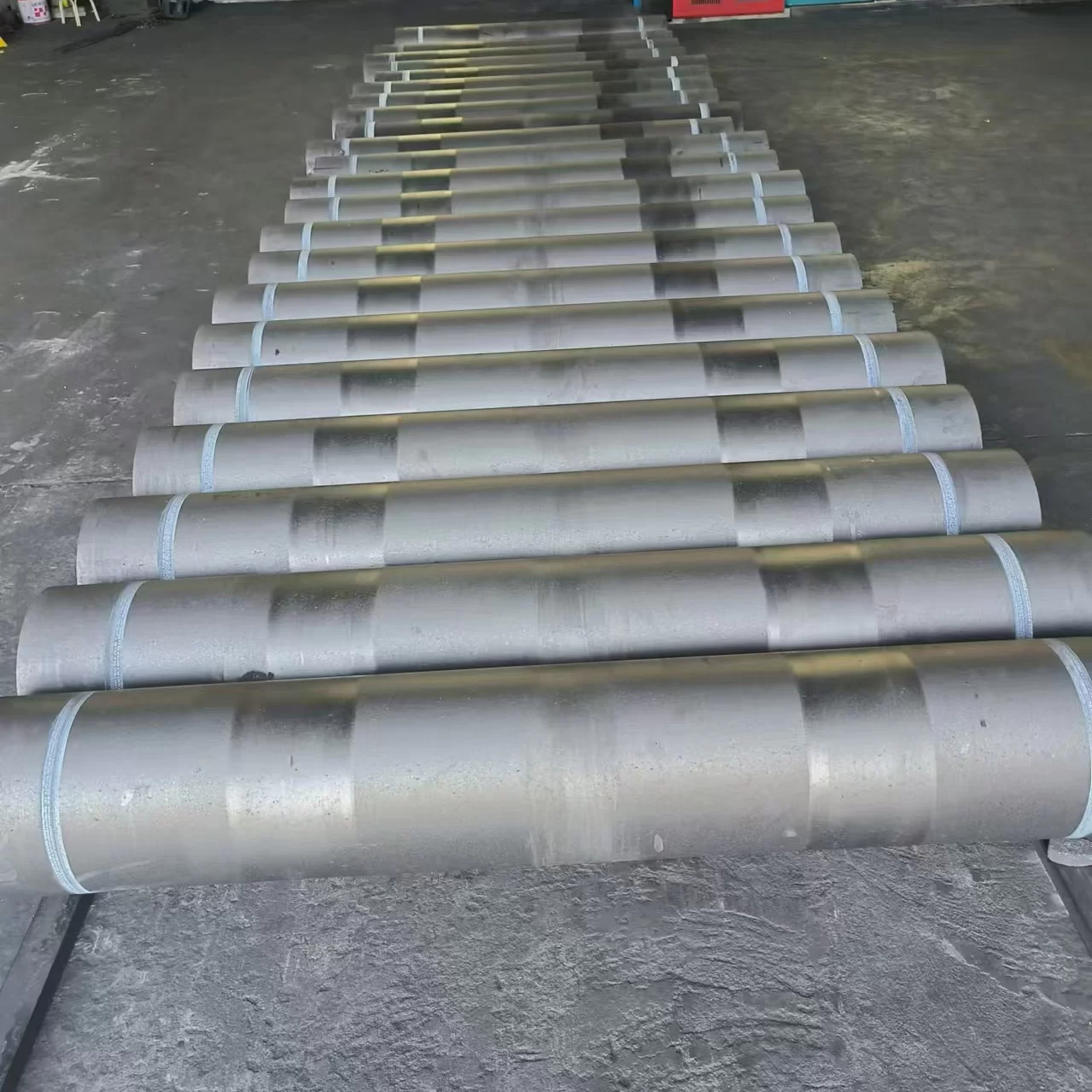
Graphite electrodes play a critical role in ladle furnace (LF) operations within the steelmaking industry. Ladle furnaces are used for refining molten steel after it leaves the primary furnace, allowing precise control over temperature, composition, and chemical properties. In this context, graphite electrodes serve as the primary means of conducting high electrical currents into the molten steel, providing the energy needed to maintain and adjust temperature efficiently.



×