-
Call Now ! +86 18231158869
-
Email Now [email protected]

Oct Back to list
uhp graphite electrode Manufacturing Sequence and Performance Analysis
In the high-intensity environment of an electric arc furnace, the conductor is the primary bridge between electrical energy and molten metal. The efficiency of this heat transfer depends entirely on the physical and electrical integrity of the electrode, which must withstand extreme thermal shock and oxidation without compromising the purity of the steel.
Industrial procurement for smelting operations has shifted toward materials that can sustain higher current densities while minimizing consumption rates. This demand is what drives the specification of ultra-high power grades, where raw material purity and graphitization density determine the operational cost per ton of steel.
Understanding the technical nuances of the uhp graphite electrode is essential for engineers looking to optimize furnace uptime and reduce impurity introduction during the melting process.
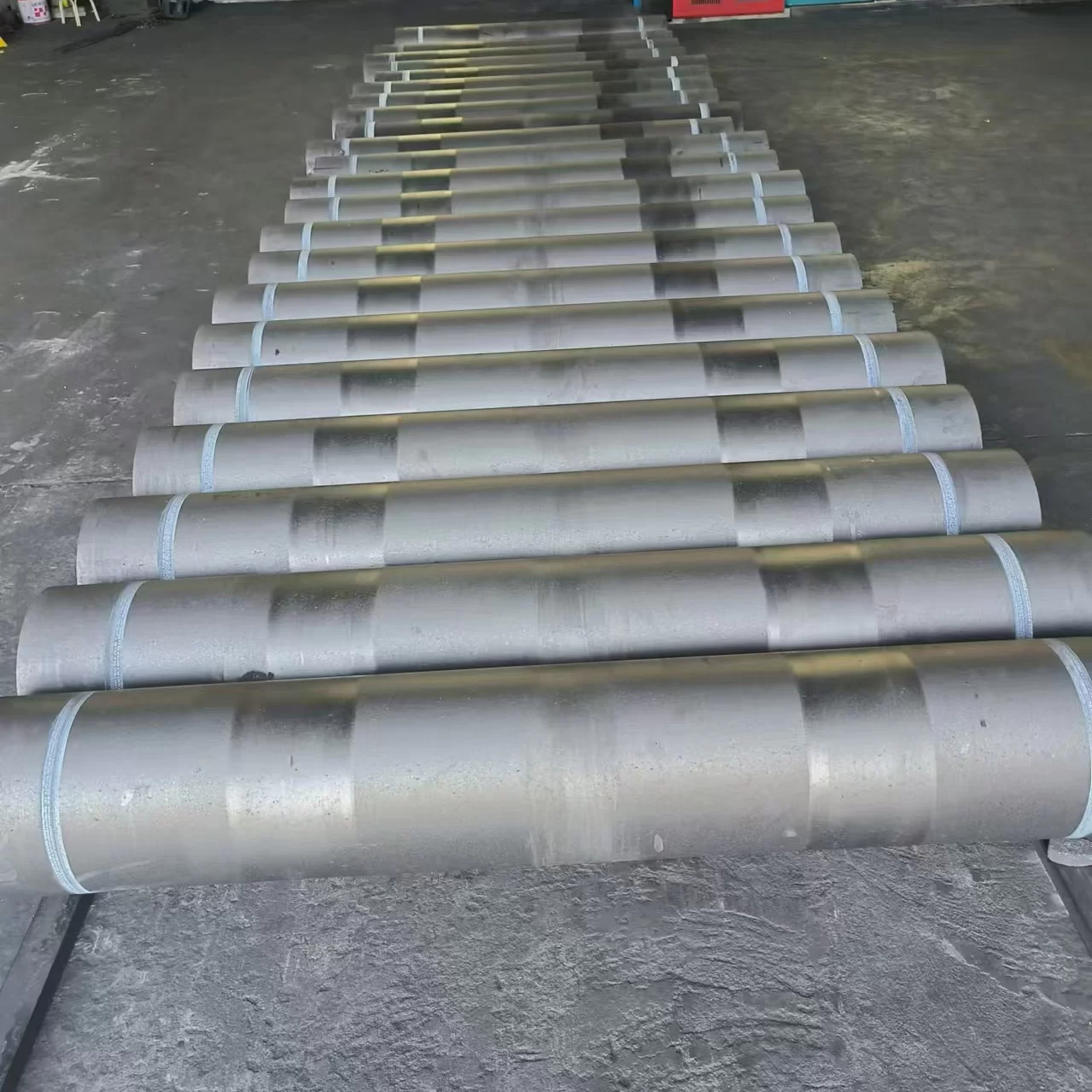
Industrial grade UHP graphite electrode designed for high-current conductivity in EAF and LF operations.
◆ ◆ ◆
In This Article
◆ ◆ ◆
The Role of Needle Coke in UHP Performance

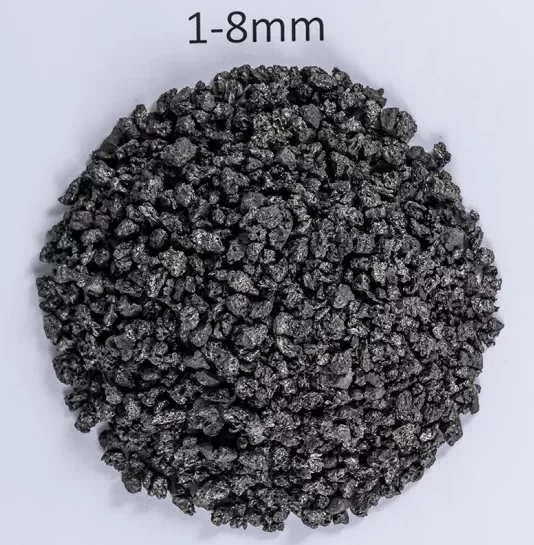
Detailed view of the uniform carbon matrix achieved through high needle coke content.
The distinction of a UHP grade begins with its raw material formulation. Unlike standard electrodes, the ultra-high power variant relies heavily on needle coke—a specialized petroleum coke with a highly anisotropic structure. When needle coke accounts for approximately 80% of the formulation, it creates a streamlined path for electrical current, significantly lowering the resistivity of the finished product.
This carbon structure is critical because it allows the electrode to carry massive electrical loads without overheating internally. Combined with high-quality petroleum coke and coal pitch as a binder, the resulting matrix provides the thermal-shock resistance necessary to survive the rapid temperature swings inherent in the electric arc process.
—
Manufacturing Sequence and Structural Integrity
The transformation of raw carbon into a conductive component is a multi-stage thermal and mechanical process. It begins with calcination to remove volatile elements, followed by compounding and kneading to ensure the binder is uniformly distributed. The subsequent pressing and baking stages establish the basic geometric form, but the structural density is not yet complete.
Pressure impregnation is the critical phase where pores are filled with carbonaceous material, which is then locked into place during high-temperature graphitization. This sequence ensures that the final electrode has a compact, uniform structure that resists oxidation and mechanical failure.
To ensure seamless fitting in industrial furnaces, the process concludes with precision CNC machining. This ensures that the electrodes and matching nipples provide a tight, low-resistance connection, preventing localized overheating at the joints which could otherwise lead to premature failure.
—
Electrical Resistance vs. Mechanical Strength
In the smelting environment, an electrode must balance two opposing needs: the ability to conduct electricity with minimal loss and the physical strength to resist the mechanical stress of the furnace charge. If resistance is too high, the electrode wastes energy as heat; if mechanical strength is too low, it will crack or spall under thermal shock.
Optimal electrode performance is achieved when low electrical resistivity is paired with high bulk density and low ash content (typically controlled within 3%), ensuring that the conductor does not introduce impurities into the molten steel.
The density of the graphite matrix directly influences the oxidation rate. A more compact structure offers fewer pathways for oxygen to penetrate the material, thereby reducing the rate of graphite loss. This synergy between electrical efficiency and physical durability is what defines the operational lifespan of the component.
—
Evaluating Consumption Rates and Density
For procurement engineers, the "cost per ton" of steel is more important than the initial purchase price of the electrode. This metric is driven by the consumption rate, which is a direct function of the electrode's density and oxidation resistance. High-density UHP electrodes typically exhibit lower consumption because their uniform structure minimizes surface area loss during the arc process.
When comparing different grades, it is useful to look at the relative performance indices across key operational parameters. The following model illustrates how different material characteristics contribute to the overall value index of a high-performance electrode.
Figure 2. Relative Performance Index of UHP Grade Characteristics
—
Operational Application in EAF and LF
In Electric Arc Furnaces (EAF), the electrode's primary role is to sustain a stable arc to melt the scrap charge. This requires the material to handle immense heat without structural deformation. Because EAF operations are increasingly moving toward higher power densities to reduce tap-to-tap time, the shift toward UHP electrodes has become an industrial standard.
In Ladle Furnaces (LF), the focus shifts slightly toward refining and temperature maintenance. While the current loads are different from the EAF, the need for purity remains paramount. The use of low-sulfur and low-ash carbon prevents the introduction of secondary impurities into the specialty steel, ensuring the final product meets strict metallurgy standards.
—
Evolving Requirements for Smelting Materials
The graphite industry is seeing a transition toward more engineered components. Electrodes are no longer viewed as simple consumables but as engineered furnace components. This means that the integration of the electrode with the nipple and the electrode holder must be analyzed as a single system to eliminate electrical gaps.
Furthermore, the push for environmental efficiency in steelmaking is putting pressure on manufacturers to reduce graphite loss. This is being addressed through tighter control of the impregnation process and the use of higher-grade needle coke to ensure the material resists the aggressive oxidation of the furnace atmosphere.
As smelting processes for silicon, phosphorus, and copper also evolve, the requirements for high-temperature conductive materials are diversifying. The ability to provide large-diameter electrodes that maintain uniformity across their entire volume is becoming a key competitive advantage for producers.
—
Grade Selection Framework: UHP, HP, and RP
Selecting the correct electrode grade is a balance between furnace power capability and operational cost. Regular Power (RP) electrodes are suitable for smaller furnaces with lower current requirements. High Power (HP) grades offer a step up in density and conductivity, making them viable for mid-range operations.
The Ultra High Power (UHP) grade is specifically engineered for the most demanding environments. It is characterized by the highest needle coke content and the most rigorous graphitization process. Using a UHP electrode in a low-power furnace may be inefficient, but using an RP electrode in a UHP-required furnace will lead to rapid consumption and potential failure.
The following framework provides a relative comparison to help procurement teams match the electrode grade to their specific furnace configuration and power requirements.
| Evaluation Factor | RP Grade | HP Grade | UHP Grade |
|---|---|---|---|
| Current Density | Low to Medium | Medium to High | Ultra High |
| Needle Coke Ratio | Low | Moderate | High (approx. 80%) |
| Oxidation Resistance | Standard | Enhanced | Maximum |
| Typical Application | Small EAF/Smelting | Standard EAF | High-Power EAF/LF |
| Consumption Rate | Higher | Moderate | Lowest |
| Impurity Control | Basic | Tight | Strict (Low Ash/S) |
◆ ◆ ◆
Questions & Answers
What fundamentally differentiates UHP graphite electrodes from HP or RP grades?
The primary difference lies in the raw material composition and the resulting structure. UHP electrodes utilize a significantly higher proportion of needle coke (often around 80%), which creates a more anisotropic carbon structure. This results in lower electrical resistivity and higher bulk density compared to HP and RP grades. Consequently, UHP electrodes can conduct higher currents with less internal heat generation and exhibit superior resistance to oxidation and mechanical stress in high-power electric arc furnaces.
How does ash content impact the quality of the final steel product?
Ash consists of non-carbon impurities like silica, alumina, and iron oxides. Because graphite electrodes are in direct contact with the melt in the EAF and LF, any impurities in the electrode can migrate into the steel. High ash content can introduce unwanted elements that affect the chemical composition and purity of the steel, potentially leading to defects. Maintaining ash content below 3% is critical for high-grade steelmaking to ensure that the electrode acts only as a conductor and not as a source of contamination.
Why is the impregnation stage so critical in the manufacturing process?
During the initial baking process, the binder carbonizes and leaves behind microscopic pores. These pores are vulnerabilities where oxygen can enter and weaken the structure. Pressure impregnation fills these voids with high-carbon pitch, which is then graphitized. This step is essential because it increases the bulk density and closes off the internal surface area, which significantly reduces the oxidation rate and improves the mechanical strength of the electrode, directly extending its service life in the furnace.
Can UHP electrodes be used in any furnace, or are they over-specified for some?
While UHP electrodes offer superior performance, they are designed for high-power density environments. In small-scale furnaces or those with low current requirements, the premium cost of UHP materials may not be offset by the reduction in consumption rates. For such operations, HP or RP grades may be more cost-effective. Selection should be based on the actual current load and the furnace's power capacity to ensure that the grade matches the operational demand without unnecessary expenditure.
What is the relationship between CNC machining accuracy and electrode lifespan?
CNC machining ensures that the mating surfaces between the electrode body and the nipples are perfectly flat and concentric. Any misalignment or gap in the connection creates high electrical resistance at the joint. This results in "hot spots" where the temperature spikes, causing the graphite to oxidize rapidly or the joint to fail mechanically. Precise machining ensures a seamless current flow, which protects the structural integrity of the connection and prevents premature electrode failure due to joint overheating.
How do I evaluate the true value of a graphite electrode supplier?
A reliable supplier should be evaluated based on their control over the entire production chain. Key indicators include the source and proportion of needle coke, the consistency of their graphitization process, and their ability to maintain strict ash and sulfur limits. Furthermore, a supplier's capability to provide matching nipples and graphite blocks ensures a cohesive system. Procurement should look for technical transparency regarding the manufacturing sequence—from calcination to CNC machining—rather than relying on marketing labels alone.
◆ ◆ ◆
Final Thoughts
The operational efficiency of modern steelmaking is inextricably linked to the quality of the conductive materials used. As furnaces push toward higher power and lower impurity levels, the reliance on engineered solutions like the uhp graphite electrode becomes paramount. By prioritizing needle coke content, structural density, and precision machining, operators can significantly reduce consumption and improve the overall quality of the melt.
Ultimately, the selection of a graphite electrode is not just a purchasing decision but a technical optimization. Matching the correct grade to the specific thermal and electrical demands of the furnace is the only way to ensure sustainable production and cost-effective smelting operations in an increasingly competitive industrial landscape.



Latest news
×