-
Call Now ! +86 18231158869
-
Email Now [email protected]

Oct Back to list
graphite electrode technical performance analysis
Electric arc furnace (EAF) operations depend heavily on the ability to conduct massive amounts of electrical energy into a charge of scrap steel or alloys. The efficiency of this heat transfer is fundamentally determined by the quality of the conductor used to create the arc.
In industrial smelting, the choice of conductive materials impacts not only the speed of the melt but also the purity of the final metal and the operational cost per ton. This is where high-performance carbon materials become critical, specifically those engineered to withstand extreme thermal shock and chemical erosion.
Understanding the technical nuances of a graphite electrode is essential for plant managers looking to reduce graphite consumption and improve energy efficiency across various metallurgical processes.
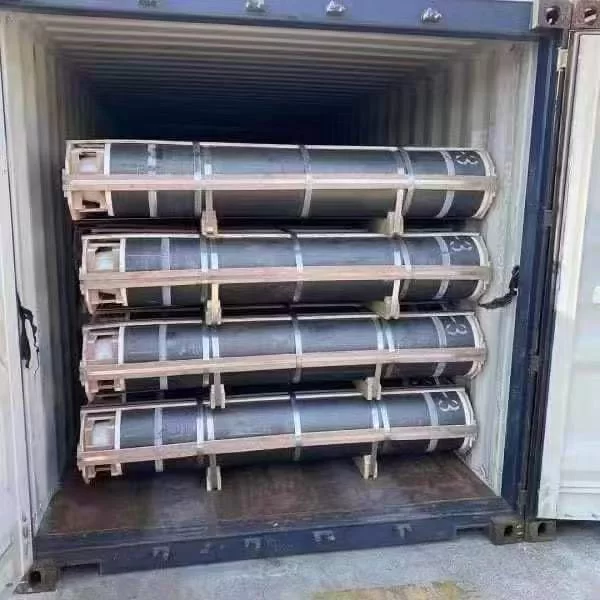
Professional grade graphite electrodes used in high-temperature steelmaking and smelting environments.
◆ ◆ ◆
In This Article
◆ ◆ ◆
Material Composition and Structural Foundation
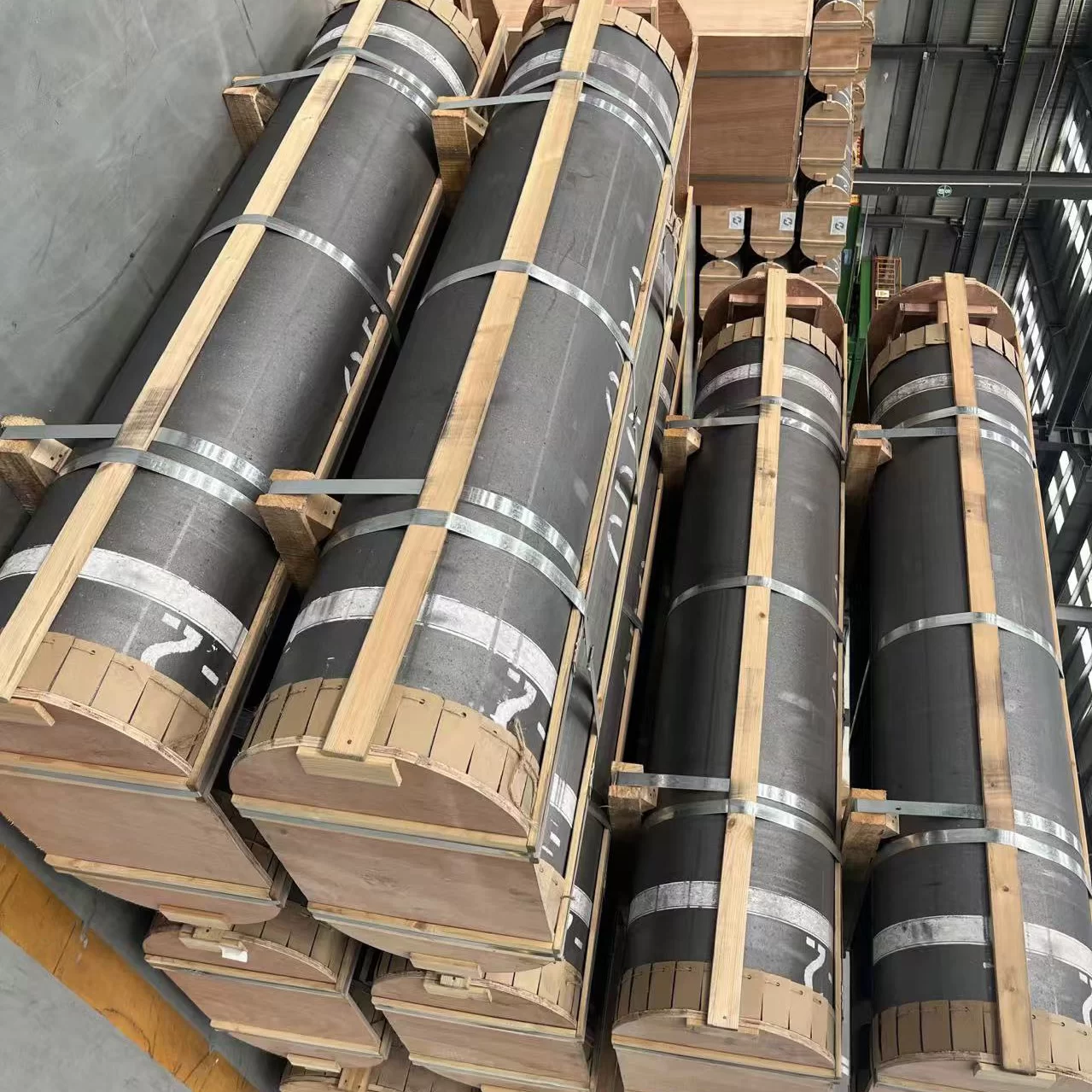
Close-up of high-density carbon structure used in HP/UHP electrodes.
The integrity of a graphite electrode begins with its raw material selection. High-quality electrodes are typically synthesized from low-ash petroleum coke and needle coke, using coal pitch as the primary binder. The inclusion of needle coke is particularly vital for high-power (HP) and ultra-high-power (UHP) grades, as it provides the necessary crystalline orientation to handle extreme current densities.
A dense and uniform structure is the result of a rigorous multi-stage process involving calcination, kneading, pressing, and graphitization. This structural density ensures that the electrode can sustain the physical pressure and thermal stress encountered in the arc zone without premature fracturing.
—
Technical Performance Determinants
Electrical resistivity is the primary metric for evaluating performance. A low-resistance electrode reduces the energy lost as heat within the conductor itself, directing more power into the furnace charge. This efficiency is closely tied to the graphitization temperature and the purity of the carbon sources used during production.
Beyond conductivity, anti-oxidation capability is critical. At the extreme temperatures of a smelting furnace, oxygen reacts with carbon, leading to "consumption" or thinning of the electrode. High-density materials with minimal open porosity resist this oxidation more effectively, thereby extending the service life and reducing the frequency of electrode replacements.
Mechanical strength, particularly compressive strength, prevents the electrode from buckling under its own weight and the force of the furnace electrodes' movement. The balance between flexibility (to prevent brittle fracture) and hardness (to resist wear) is what defines a professional-grade industrial electrode.
—
Manufacturing Precision and Lifecycle
The production journey from raw coke to a finished electrode involves complex chemical and physical transformations. After the initial baking and pressure impregnation—which fills the remaining pores to increase density—the material undergoes graphitization at temperatures exceeding 2500°C.
Precision CNC machining is the final, critical step; it ensures that electrode diameters and thread specifications are exact, which prevents loose connections and dangerous electrical arcing at the joints during high-power operation.
Companies like Ding An Heng New Material Technology Co., Ltd. leverage over 20 years of experience to optimize these stages, ensuring that the final product maintains a low ash content (often controlled within 3%) to prevent impurities from contaminating the molten steel.
—
Operational Efficiency Index
Evaluating the cost-effectiveness of an electrode requires looking beyond the purchase price to the "consumption rate." A cheaper electrode with higher porosity may result in faster oxidation and more frequent downtime, ultimately increasing the cost per ton of produced metal.
The following index illustrates the relative performance impact of key technical attributes on the overall operational efficiency in a typical EAF environment.
Figure 2. Impact of Technical Attributes on Electrode Efficiency
—
Critical Application Scenarios
While steelmaking in Electric Arc Furnaces (EAF) and Ladle Furnaces (LF) is the most common application, these electrodes are indispensable in the non-ferrous industry. For example, in yellow phosphorus furnaces and industrial silicon furnaces, the ability to sustain high heat without degrading is the only way to achieve the necessary chemical reactions for smelting.
In copper melting or aluminum-related processes, the purity of the electrode—specifically low sulphur and low ash—is paramount. Any impurities introduced by the electrode can migrate into the melt, resulting in a "second-time impurity" that compromises the grade of the finished metal product.
—
Evolution of Carbon Electrode Technology
The industry has seen a shift toward Ultra-High Power (UHP) electrodes as furnaces increase in capacity and power input. This evolution has been driven by the need for faster tap-to-tap times and reduced energy consumption per ton. The primary technical leap has been the increased proportion of needle coke (often accounting for 80% in premium grades), which allows for higher current loads.
Current trends also emphasize environmental sustainability. Manufacturers are optimizing the graphitization process to reduce carbon emissions while maintaining the high density required for durability. The focus is shifting from simple production to "precision material engineering."
Looking forward, the integration of more advanced CNC machining and automated quality inspection systems is reducing the variance between batches, allowing plant operators to standardize their electrode consumption models more accurately.
—
Selection Framework for Industrial Buyers
Selecting the right grade—Regular Power (RP), High Power (HP), or Ultra-High Power (UHP)—depends on the specific power density of the furnace. Using an RP electrode in a UHP furnace will lead to rapid failure and excessive consumption, while using a UHP electrode in a low-power setting may be an unnecessary expense.
Buyers should evaluate suppliers based on their ability to provide consistent raw material sourcing and their capacity for timely delivery. With an annual output of 80,000 tons, Ding An Heng ensures that large-scale operations have a stable supply chain to avoid costly production halts.
The following table provides a comparative framework for choosing the appropriate electrode grade based on typical operational requirements.
| Evaluation Factor | RP Grade | HP Grade | UHP Grade |
|---|---|---|---|
| Current Density | Low to Medium | Medium to High | Ultra-High |
| Typical Application | Small Smelting | Standard EAF | Heavy Industrial EAF |
| Oxidation Resistance | Moderate | High | Very High |
| Needle Coke Ratio | Low | Moderate | High (up to 80%) |
| Expected Lifespan | Standard | Extended | Maximum |
| Cost per Unit | Lowest | Moderate | Highest |
◆ ◆ ◆
Questions & Answers
How does the ash content in a graphite electrode affect the steel quality?
Ash refers to the non-carbon inorganic impurities left after the carbon is consumed. If the ash content is too high, elements like silica, alumina, or iron oxides can enter the molten bath. This introduces "second-time impurities" into the steel, which can degrade the mechanical properties and chemical purity of the final alloy. Therefore, maintaining ash content below 3% is a critical quality standard for high-grade electrodes.
What is the difference between HP and UHP graphite electrodes?
The primary difference lies in the material density and the proportion of needle coke used. UHP (Ultra-High Power) electrodes are designed for the highest current densities and offer superior electrical conductivity and oxidation resistance compared to HP (High Power) electrodes. UHP grades typically have a more compact structure, allowing them to withstand the extreme thermal loads of larger, more powerful electric arc furnaces without breaking.
Which factors contribute most to electrode consumption in an EAF?
Electrode consumption is primarily driven by two factors: oxidation and mechanical wear. Oxidation occurs when the carbon reacts with oxygen at high temperatures, literally evaporating the material. Mechanical wear occurs due to the physical impact of scrap charging and the turbulence of the molten bath. High-density electrodes with good anti-oxidation coatings or inherent structural density significantly reduce these losses.
Why is needle coke preferred over petroleum coke for premium electrodes?
Needle coke possesses a unique anisotropic structure, meaning its crystals align in a way that facilitates much better electrical conductivity and higher mechanical strength along the axis of the electrode. While petroleum coke provides the bulk, the addition of needle coke allows the electrode to carry significantly higher currents without overheating or fracturing, which is essential for the productivity of modern smelting operations.
How should the life cycle of an electrode be measured?
The most accurate measure is the "kg of graphite consumed per ton of steel produced." This metric accounts for the initial cost of the electrode relative to its actual performance. By tracking this, operators can determine if a more expensive UHP electrode actually reduces overall costs by lasting longer and improving the melt rate compared to a cheaper RP or HP alternative.
Can graphite electrodes be used in non-steel industries?
Yes, they are vital in any industry requiring high-temperature electrical smelting. This includes the production of industrial silicon, yellow phosphorus, and the smelting of non-ferrous metals like copper. In these applications, the electrode's ability to sustain an arc while remaining chemically stable is the primary requirement, making graphite the only viable material for such extreme environments.
◆ ◆ ◆
Final Thoughts
The operational success of an electric arc furnace is inextricably linked to the technical specifications of its conductive components. By prioritizing low resistivity, high density, and low impurity levels, manufacturers can significantly reduce their operational costs and enhance the quality of their output.
Investing in electrodes engineered with high needle coke content and precision CNC machining ensures that the industrial process remains stable, efficient, and scalable. As the industry moves toward higher power densities, the focus must remain on the structural integrity and material purity of these critical carbon components.



Latest news
×