-
Call Now ! +86 18231158869
-
Email Now [email protected]

Oct Back to list
rp graphite electrode Technical Analysis
Selecting the right conductive material for an electric arc furnace is often a balance between thermal endurance and operational cost. For many smelting operations, the choice comes down to the specific grade of carbon electrode that can sustain extreme currents while minimizing material loss.
The industry distinguishes between different grades based on their density and mechanical strength, where the Regular Power (RP) grade serves as a versatile mid-tier option. Understanding the specific operational thresholds of these materials is critical for preventing premature electrode failure and maintaining consistent melt temperatures.
This analysis examines the technical architecture of the rp graphite electrode, evaluating its role in modern steelmaking and the metallurgical factors that determine its longevity in various furnace environments.
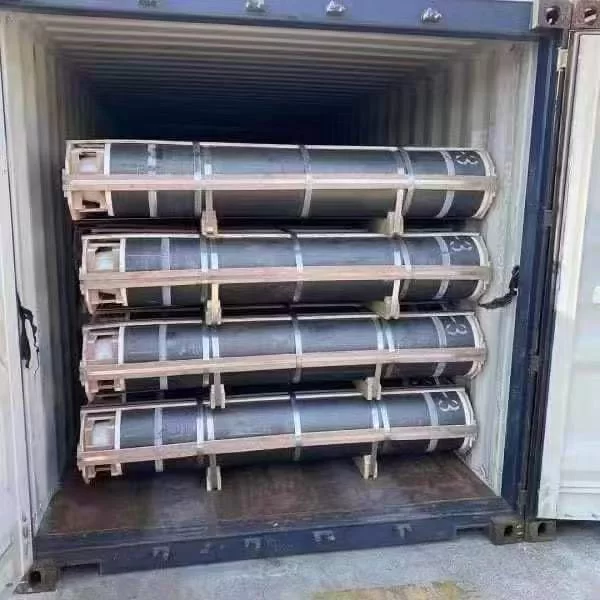
Industrial RP graphite electrodes designed for high electrical conductivity and thermal stability in smelting furnaces.
◆ ◆ ◆
In This Article
◆ ◆ ◆
The Structural Foundation of RP Grade Electrodes
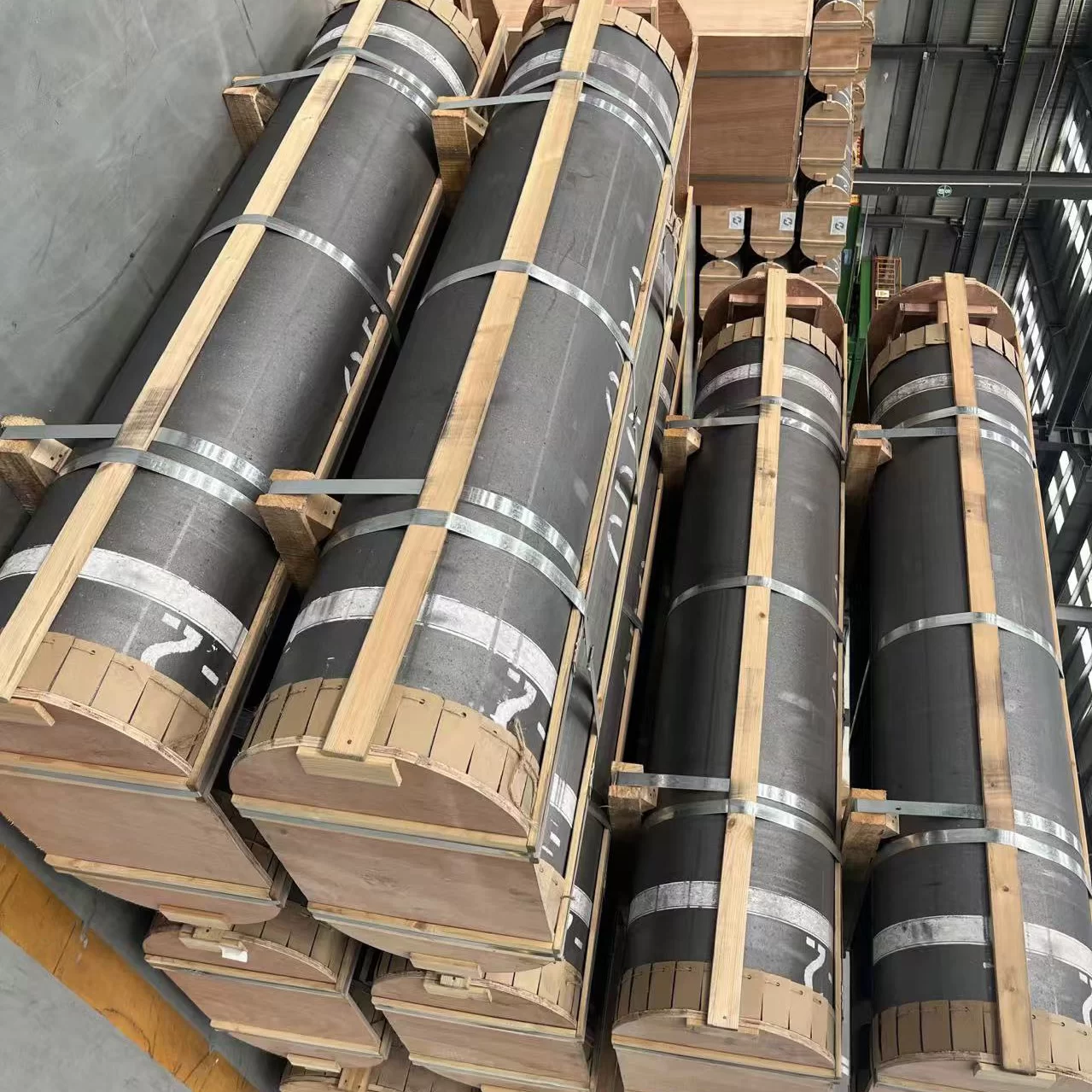
Micro-structural uniformity in graphite electrodes ensures consistent electrical flow.
Regular Power electrodes are engineered as conductors that release electrical energy to heat and melt charges via an electric arc. Their production is a multi-stage metallurgical process involving the blending of petroleum coke and needle coke, bound by coal pitch.
The transformation from raw carbon to a finished electrode involves calcination, compounding, kneading, and pressing, followed by baking and pressure impregnation. The final graphitization phase is where the material achieves its low resistivity and high mechanical strength, allowing it to survive the violent environment of an Electric Arc Furnace (EAF).
—
Core Technical Parameters and Material Logic
The efficacy of a graphite electrode is primarily determined by its ash and sulfur content. High levels of impurities can lead to secondary contamination of the steel, compromising the final product's quality. Therefore, industrial standards prioritize low-ash materials to ensure that the electrode does not introduce unwanted elements into the melt.
Electrical conductivity is the second critical pillar. A compact structure with low electrical resistance reduces the energy lost as heat within the electrode itself, maximizing the energy delivered to the charge. This efficiency is achieved through precision CNC machining, which ensures the electrode fits perfectly within the clamping system, reducing arc instability.
Beyond conductivity, anti-oxidation capability is essential. In the oxygen-rich atmosphere of a furnace, graphite tends to oxidize, leading to "necking" or premature thinning. Modern RP electrodes utilize a dense, uniform structure to slow this process, extending the service life and reducing the overall consumption rate per ton of steel.
—
The Impact of Needle Coke Concentration
Needle coke is the primary driver of mechanical strength in graphite electrodes. Unlike standard petroleum coke, needle coke forms an anisotropic structure that provides superior resistance to thermal shock and mechanical stress.
The integration of high-quality needle coke, often accounting for a significant portion of the raw material blend, is the deciding factor in whether an electrode can withstand the high-current densities of modern HP and UHP applications without fracturing.
When needle coke content is optimized, the resulting electrode exhibits a more dense and uniform structure. This not only improves the load-bearing capacity of the electrode column but also reduces the rate of graphite loss, directly lowering the production costs for the foundry or steel mill.
—
Performance Indices Across Thermal Zones
Evaluating the performance of an electrode requires looking at several relative indices. These include the resistance to oxidation, the electrical conductivity, and the mechanical stability under extreme heat. While UHP (Ultra High Power) electrodes excel in high-capacity furnaces, RP electrodes provide the necessary balance for medium-scale operations.
The following illustrative model demonstrates the relative suitability of different electrode characteristics based on operational priorities. For instance, in a ladle furnace, the focus shifts more toward refining capabilities and chemical purity than raw power throughput.
Figure 2. Relative Performance Index of Graphite Grades
—
Operational Scenarios and Application Constraints
The application of RP electrodes extends beyond standard steelmaking. They are widely used in the non-ferrous industry, specifically in silicon and phosphorus furnaces, where the thermal requirements are extreme but the current density is lower than that of a heavy-duty EAF. In these environments, the electrode's ability to maintain structural integrity while delivering a stable arc is the primary metric of success.
In a typical industrial setting, such as a copper melting furnace or a yellow phosphorus furnace, the choice of electrode is governed by the chemical reactivity of the charge. Using an electrode with a controlled ash content (often within 3%) ensures that the final alloy or chemical product remains pure, preventing the introduction of slag-forming impurities.
—
Evolution of Graphite Consumables in Green Steel
The shift toward "Green Steel" is forcing a re-evaluation of graphite consumption. As furnaces move toward higher efficiencies and lower emissions, the demand for electrodes with lower consumption rates per ton of steel has intensified. This requires a shift toward higher-density graphite and more precise impregnation processes to close the pores of the material.
Innovation is currently focused on reducing the energy required for the graphitization process itself, as well as improving the recyclability of carbon components. The industry is seeing a trend where the purity of the binder (coal pitch) is being scrutinized to further lower the sulfur footprint of the smelting process.
Ding An Heng New Material Technology Co., Ltd. reflects this industry trend by leveraging over 20 years of production experience to optimize the balance between durability and cost. By maintaining strict quality control through an internal laboratory system, they ensure that the RP electrodes provided meet the precise mechanical requirements of global markets in Southeast Asia, Europe, and Africa.
—
Comparative Framework for Electrode Selection
Choosing between RP, HP, and UHP grades is not simply a matter of "better or worse," but rather "fit for purpose." An RP electrode may be the most cost-effective choice for a small-scale foundry, whereas using it in a high-power UHP furnace would lead to rapid oxidation and mechanical failure.
The decision framework should consider the furnace capacity, the intended power input, and the allowable impurity levels of the final metal. Trade-offs typically involve balancing the higher initial cost of UHP grades against the lower consumption rates they offer in high-stress environments.
To assist in this selection, the following table outlines the typical operational suitability based on technical requirements and application scenarios.
| Evaluation Factor | RP Grade | HP Grade | UHP Grade |
|---|---|---|---|
| Power Density | Medium | High | Ultra-High |
| Typical Application | Silicon/Phos Furnace | Mid-size EAF | Large-scale Steel Mill |
| Consumption Rate | Moderate | Low | Very Low |
| Thermal Shock Resistance | Standard | Enhanced | Maximum |
| Initial Cost | Economical | Moderate | Premium |
| Suitability Index | Versatile | Industrial | Specialized |
◆ ◆ ◆
Questions & Answers
What exactly distinguishes RP graphite electrodes from UHP grades?
The primary differences lie in the density and the concentration of needle coke. Ultra-High Power (UHP) electrodes are designed for much higher current densities and have a more compact structure, which reduces the rate of consumption. Regular Power (RP) electrodes are better suited for furnaces with lower power requirements, such as those used in the silicon or phosphorus industry, providing a more economical solution where maximum current density is not required.
How does ash content affect the quality of the smelted steel?
Ash refers to the non-carbon inorganic impurities remaining in the graphite. If the ash content is too high, these impurities can migrate into the molten metal, acting as contaminants. This can lead to inclusions in the steel, affecting its mechanical properties and purity. Maintaining a low ash content, typically below 3%, ensures that the electrode serves only as a conductor without altering the chemical composition of the charge.
What is the typical cause of "necking" in graphite electrodes?
Necking is caused by accelerated oxidation at the hot end of the electrode. When the graphite reacts with oxygen in the furnace atmosphere, the material is consumed more rapidly in a specific zone, creating a narrow "neck." This is often exacerbated by poor electrode quality or improper furnace atmosphere control. High-density RP electrodes with good anti-oxidation capabilities are designed to mitigate this effect and prolong the electrode's life.
Which industries besides steelmaking use these carbon electrodes?
Graphite electrodes are indispensable in any process requiring an electric arc for high-temperature melting. This includes the non-ferrous industry for melting copper, the industrial silicon furnace for producing silicon, and yellow phosphorus furnaces. Because they can sustain extreme heat while maintaining high electrical conductivity, they are currently the only viable material for these specific smelting environments.
How should a buyer evaluate the value of an electrode beyond the purchase price?
The true cost of an electrode is measured by its "consumption rate" (kg of graphite used per ton of metal). A cheaper electrode that wears down quickly will increase downtime and total material costs. Buyers should evaluate the density, needle coke content, and historical consumption data. A high-quality RP electrode from a producer with a strict quality control system often provides a lower total cost of ownership despite a higher initial price.
Can RP electrodes be used in an EAF designed for UHP electrodes?
While technically possible, it is not recommended. An EAF designed for UHP electrodes operates at current densities that would likely cause an RP electrode to overheat and fracture or oxidize at an unsustainable rate. This would lead to frequent electrode breaks and significantly higher material costs. It is critical to match the electrode grade to the furnace's rated power capacity to ensure operational safety and efficiency.
◆ ◆ ◆
Final Thoughts
The selection of a graphite electrode is a strategic decision that impacts both the purity of the final metal and the operational overhead of the plant. By focusing on the structural integrity and chemical purity of the carbon material, operators can significantly reduce graphite loss and energy waste.
As the industry moves toward more sustainable smelting practices, the role of high-precision, low-impurity electrodes will only increase. Investing in materials that offer a proven balance of electrical conductivity and mechanical strength is the most reliable path to maintaining competitive production costs in the global metals market.



Latest news
×