-
Call Now ! +86 18231158869
-
Email Now [email protected]

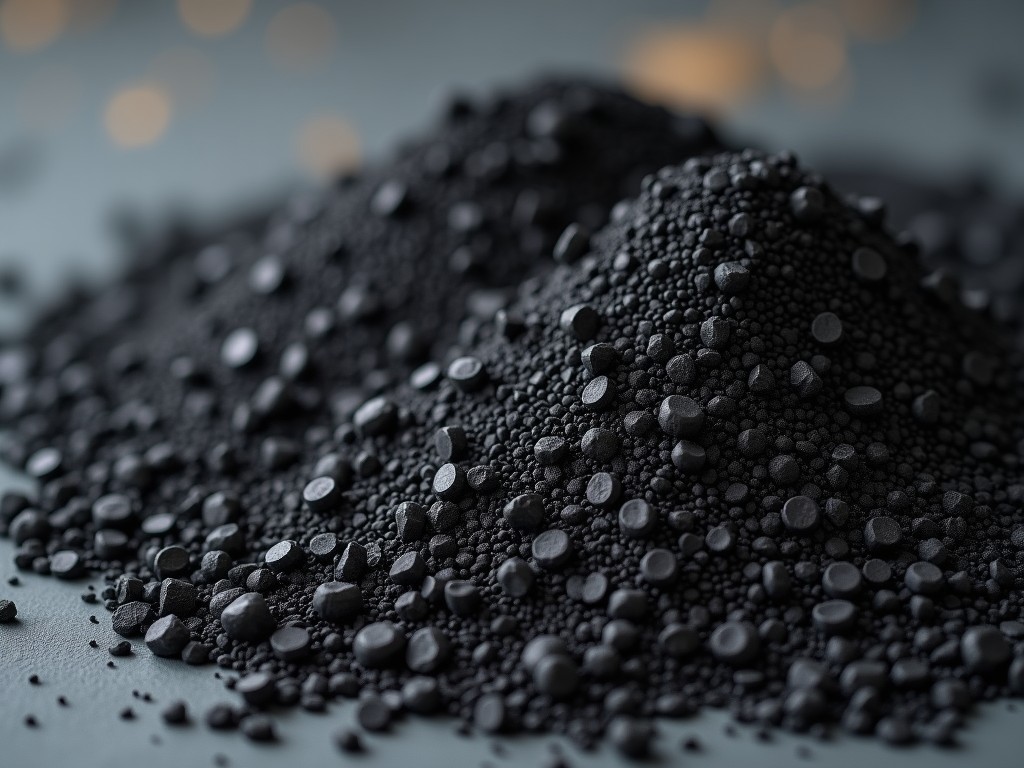
Buy Coke Oil And Gas
Buy Coke Oil and Gas: Technical Specifications and Industrial Applications
Coke oil and coke gas are critical industrial by-products generated during the carbonization of coal, typically within metallurgical coke ovens. These materials serve as vital feedstocks for chemical synthesis, carbon black production, and industrial energy generation. For procurement engineers, understanding the chemical profile and thermal properties of these products is essential for ensuring compatibility with downstream processing equipment and maintaining plant efficiency.
Chemical Composition and Physical Properties
The quality of coke oil and gas varies significantly based on the coal grade and the temperature profile of the oven process. Coke oil is a complex mixture of aromatic hydrocarbons, including naphthalene, phenols, and anthracene, while coke gas is a gaseous mixture primarily composed of hydrogen, methane, and light hydrocarbons.
| Property | Coke Oil (Typical) | Coke Gas (Typical) |
|---|---|---|
| Primary Components | Naphthalene, Phenols, Tars | H₂, CH₄, C₂H₆, CO |
| Calorific Value | 8,000 - 11,000 kcal/kg | 4,500 - 6,500 kcal/Nm³ |
| Sulfur Content | 0.5% - 2.0% | 500 - 1500 ppm |
| Moisture Content | < 0.5% | < 10% (saturated) |
Industrial Applications of Coke Oil
Coke oil is utilized as a precursor in a variety of chemical processes. Its high aromatic content makes it an ideal starting material for extracting naphthalene, which is fundamental in the production of phthalic anhydride dyes.
- Carbon Black Production: Used as a feedstock for manufacturing carbon black for the tire and ink industries.
- Resin Manufacturing: Processed to create coal tar pitch used in refractory materials.
- Industrial Solvents: Utilized as a heavy solvent in various cleaning and chemical extraction processes.
- De-sulfurization: Used in specific chemical reactions to remove sulfur from other streams.
Strategic Use of Coke Gas
Coke gas serves as a high-efficiency thermal source for industrial plants. Because it contains a significant concentration of hydrogen, it is often diverted to gas recovery units to produce pure hydrogen for hydrotreating plants.
Beyond direct heating, the gas is utilized in the synthesis of ammonia and other nitrogen compounds. Engineering teams must account for the moisture and tar content in the gas stream to prevent condensation in downstream piping and potential fouling of burner nozzles.
Quality Control and Logistics Considerations
Transporting these by-products requires specialized infrastructure to prevent product degradation. Coke oil is typically transported in heated stainless steel tanks to maintain viscosity and prevent solidification, while coke gas is managed via high-pressure pipeline networks or specialized cylinders.
Procurement specifications should include maximum allowable sulfur and moisture levels to protect receiving equipment. High sulfur levels can lead to corrosion in storage vessels, while excessive moisture in coke gas can cause ice formation in pressure-regulated delivery lines.
Frequently Asked Questions
Can the chemical composition of coke oil be customized?
Yes, through fractional distillation, we can refine oil to meet specific concentrations of naphthalene or phenol content based on client requirements.
What is the typical lead time for bulk industrial shipments?
Lead times depend on the proximity of the coking plant and the availability of ISO tanks or bulk transport vessels.
How is coke gas protected from moisture during transport?
Gas is passed through scrubbers and dryers before compression to ensure the dew point remains within safety limits.
Can the chemical composition of coke oil be customized?
Yes, through fractional distillation, we can refine oil to meet specific concentrations of naphthalene or phenol content based on client requirements.
What is the typical lead time for bulk industrial shipments?
Lead times depend on the proximity of the coking plant and the availability of ISO tanks or bulk transport vessels.
How is coke gas protected from moisture during transport?
Gas is passed through scrubbers and dryers before compression to ensure the dew point remains within safety limits.
Are you seeking technical data sheets or a quote for your specific industrial requirements?
Request a Technical Consultation and Quote
×