-
Call Now ! +86 18231158869
-
Email Now [email protected]

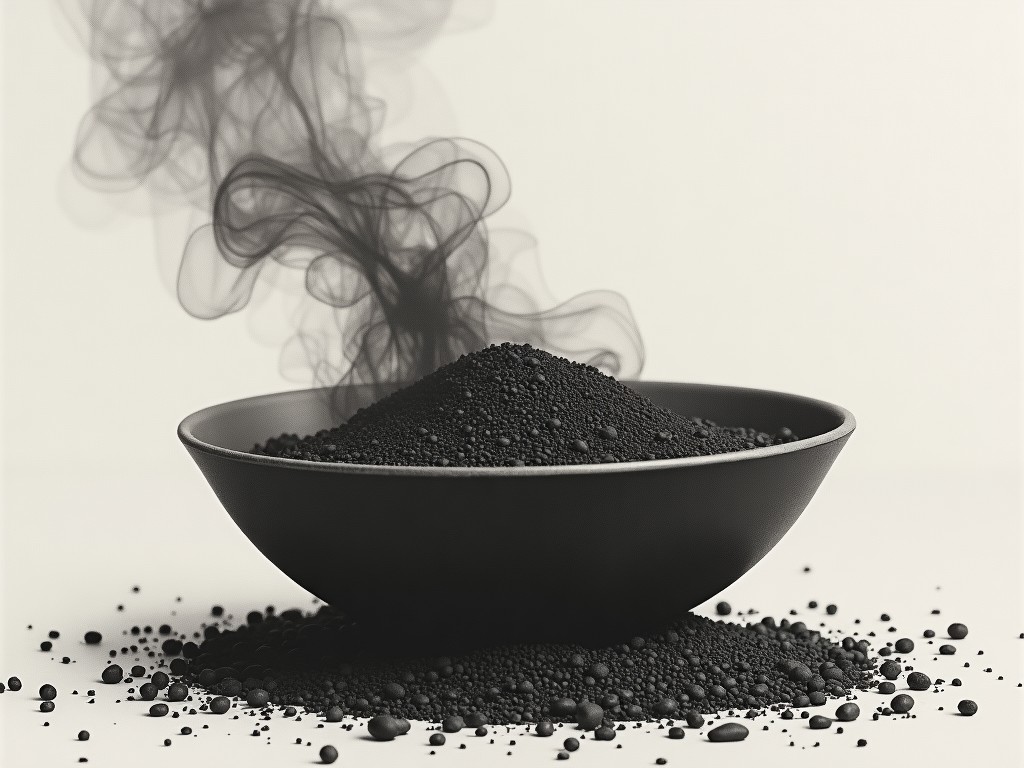
China Burning Coke In Wood Burner
Coke-Compatible Wood Burning Stove Insert
Overview
Burning coke in a standard wood burner creates operational challenges because coke has a higher fixed carbon content, lower volatile matter, and produces a denser ash bed than firewood. These differences affect grate loading, air distribution, and temperature control. The insert described here modifies the combustion chamber to accommodate coke’s specific properties while retaining the wood burner’s original housing.
Design and Construction
The main body is fabricated from 5 mm thick ASTM A240 304 stainless steel, providing resistance to oxidation at temperatures up to 900 °C. A replaceable grate made of high‑chromium cast iron (Cr 20 %) features 12 mm slots spaced at 25 mm intervals to support the dense ash layer formed during coke combustion. Secondary air ports are positioned 30 mm above the grate, each with a 6 mm diameter orifice, allowing precise staging of combustion air.
Refractory lining of 45 mm thick alumina‑silicate castable lines the sidewalls, reducing wall temperature to below 250 °C on the external surface and improving thermal efficiency. All welded joints undergo full‑penetration TIG welding and are inspected by dye‑penetrant testing per ASME Section IX.
Technical Specifications
| Parameter | Value |
|---|---|
| Overall Dimensions (L × W × H) | 520 mm × 380 mm × 460 mm |
| Weight (dry) | 38 kg |
| Maximum Continuous Temperature | 900 °C (grate surface) |
| Nominal Airflow (primary + secondary) | 120 Nm³/h at 0.05 MPa |
| Ash Pan Capacity | 6 L |
| Material Thickness – Body | 5 mm (304 SS) |
| Grate Material | High‑chromium cast iron (Cr 20 %) |
Performance Characteristics
When fed with sized coke (10‑25 mm), the insert achieves a steady‑state combustion efficiency of 78 % ± 2 % (based on lower heating value) at a burn rate of 4.5 kg/h. Exhaust gas oxygen levels stabilize at 3‑4 % indicating near‑stoichiometric operation, while CO emissions remain below 150 ppm measured at the flue outlet. The refractory lining limits external wall temperature to 220 °C, allowing safe installation adjacent to combustible structures with a minimum clearance of 150 mm.
Ash removal is facilitated by a slide‑out pan that can be accessed without shutting down the unit; the pan’s 6 L capacity accommodates approximately 8 hours of continuous operation before requiring emptying.
Applications
- Metallurgical furnaces where coke is used as a reductant and a supplemental heat source is required.
- Space heating in workshops or warehouses that have access to low‑cost coke but lack dedicated coke‑fired boilers.
- Drying processes in timber or agricultural product handling where a clean, medium‑temperature flame is advantageous.
- Pilot plants testing coke‑based fuels for integration into existing wood‑burner infrastructure.
Installation and Integration
The insert fits into the existing firebox of a standard wood burner with an internal width of 350‑400 mm and depth of 450‑500 mm. Mounting is achieved via four M10 studs welded to the insert’s flange, matching the burner’s pre‑drilled holes. A silicone‑based high‑temperature sealant (rated to 1000 °C) is applied around the perimeter to prevent air leakage. Clearance to combustible materials must be maintained at a minimum of 150 mm on all sides, as verified by infrared thermography during factory testing.
Quality Assurance and Testing
Each unit undergoes hydrostatic pressure testing of the ash pan at 0.3 MPa for 5 minutes to verify leak‑tightness. Dimensional inspection is performed using a CMM with a tolerance of ±0.5 mm on critical interfaces. Surface finish of the stainless steel body is measured to ensure a roughness average (Ra) below 1.6 µm, facilitating cleaning and reducing corrosion initiation sites. All material certificates are traceable to the mill, and a final visual inspection is conducted under 500 lux illumination.
Customization Options
- Alternate grate patterns (slot width 8‑16 mm, spacing 20‑30 mm) to suit different coke sizes.
- Optional secondary air manifold with adjustable dampers for fine‑tuning of combustion staging.
- Alternative liner materials such as silicon carbide‑based refractory for higher temperature applications (>1000 °C).
- Custom flange dimensions to match non‑standard burner fireboxes.
- Surface treatments including passivation or high‑temperature aluminized coating for enhanced oxidation resistance.
Frequently Asked Questions
- Can the insert be used with both wood and coke? Yes, the design allows switching fuels by adjusting the primary air damper; however, optimal performance is achieved when the grate and air settings are matched to the fuel type.
- What information is required for a quotation? Provide the internal dimensions of your existing wood burner firebox, desired coke size range, and any specific installation constraints (e.g., limited clearance).
- Is the grate replaceable? The grate is designed as a removable module secured by two stainless steel pins; replacement can be performed in under 15 minutes with basic tools.
- What is the typical production lead time? Standard units ship within 3‑4 weeks after receipt of purchase order; customized configurations may extend to 6‑8 weeks.
- How are export shipments protected? Units are packed in triple‑wall corrugated cartons with corner protectors, sealed with moisture‑resistant tape, and placed on ISPM‑15 compliant pallets.
Contact for Technical Inquiry
For detailed engineering data, customization requests, or a formal quotation, please reach out to our technical sales team.
Request Quote
×