-
Call Now ! +86 18231158869
-
Email Now [email protected]

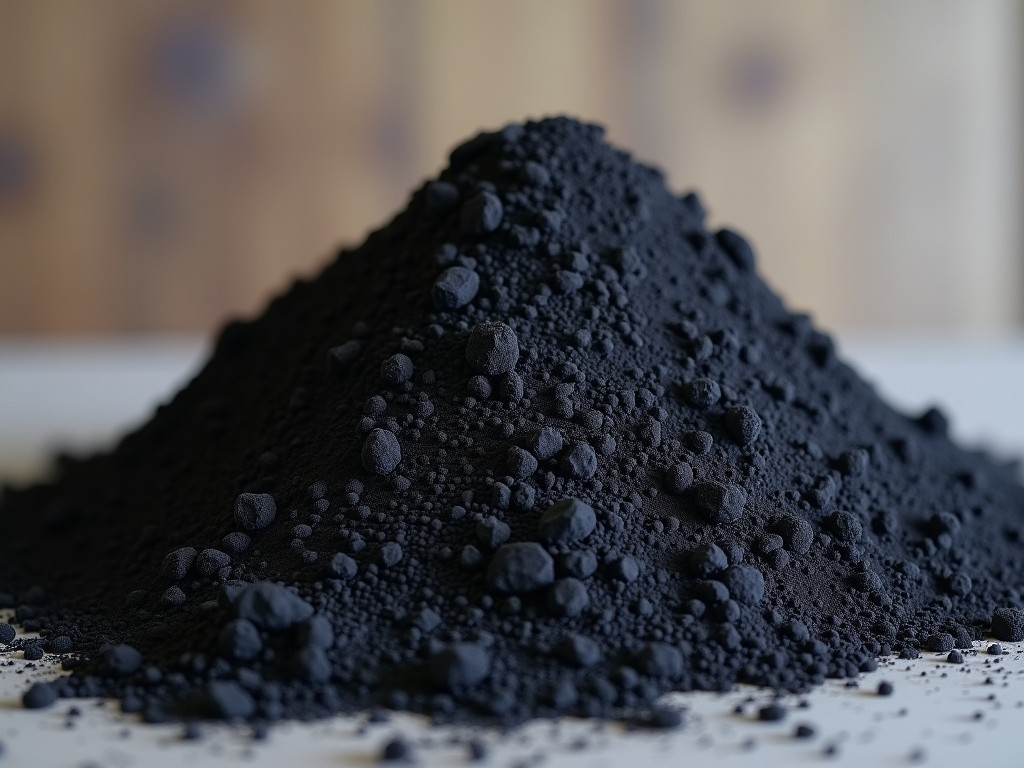
China Calcined Petroleum Coke Manufacturer
Calcined Petroleum Coke from Chinese Manufacturers
Calcined petroleum coke (CPC) originates from green petroleum coke, a by‑product of oil refining. The material undergoes thermal treatment in a rotary kiln or hearth furnace at temperatures ranging from 1,200 °C to 1,400 °C under an inert or slightly oxidizing atmosphere. This calcination step drives off hydrocarbons, sulfur compounds, and moisture, thereby increasing the fixed carbon fraction and altering the electrical resistivity and reactivity of the coke.
Key Technical Properties
Typical values for commercially produced CPC fall within the ranges shown below. Exact numbers depend on the feedstock source, calcination temperature, and post‑treatment cooling rate.
| Property | Typical Range | Test Method (ISO/ASTM) |
|---|---|---|
| Fixed Carbon (wt %) | 85 – 98 | ASTM D3172 / ISO 1171 |
| Ash (wt %) | 0.5 – 2.5 | ASTM D3174 / ISO 1171 |
| Sulfur (wt %) | 0.5 – 4.0 | ASTM D4239 / ISO 1171 |
| Volatile Matter (wt %) | 0.5 – 2.0 | ASTM D3175 / ISO 1171 |
| Moisture (wt %) | 0.1 – 0.5 | ASTM D3173 / ISO 1171 |
| Real Density (g/cm³) | 2.0 – 2.1 | ASTM D4892 / ISO 1218 |
| Electrical Resistivity (µΩ·m) at 20 °C | 45 – 70 | ASTM D257 / ISO 14977 |
Manufacturing Process Overview
Green coke is first dried to reduce surface moisture to below 0.5 wt %. It is then fed into a calciner where the temperature is ramped uniformly to avoid thermal shock. Residence time typically ranges from 30 to 60 minutes, allowing sufficient dehydrogenation and desulfurization. After calcination, the hot coke is cooled in a closed‑loop system using inert gas or water‑spray quench to prevent re‑oxidation and to control final temperature below 200 °C before storage.
Applications in Industry
The high fixed carbon content and low electrical resistivity make CPC a preferred anode material for primary aluminium smelting. In addition, its reactivity and carbon yield allow it to serve as a carburizer in steelmaking and as a reducing agent in the production of titanium dioxide and silicon carbide.
- Prebaked anodes for Hall‑Héroult cells – provides consistent electrical conductivity and resistance to electrochemical erosion.
- Recarburizer in electric arc furnace steelmaking – adjusts carbon content with minimal sulfur pickup.
- Fuel for cement kilns and power boilers – offers high calorific value (~33 MJ/kg) and low ash fusion temperature.
- Precursor for graphite electrodes – after further graphitization, yields low‑resistivity conductive material.
Quality Control and Testing
Proximate analysis (fixed carbon, ash, volatile matter, moisture) is performed on every batch according to ISO 1171. Sulfur content is measured by combustion‑infrared methods. Electrical resistivity is tested on pressed pellets at room temperature to verify suitability for anode use. Particle size distribution is screened using laser diffraction to meet customer‑specified grading (e.g., 0–5 mm, 5–10 mm). All results are recorded in a traceable batch record and made available upon request.
Packaging and Logistics
CPC is commonly shipped in bulk vessels or railcars with moisture‑proof liners to prevent re‑hydration. For smaller quantities, the product is packed in 25 kg or 50 kg multi‑wall polypropylene bags, each bag sealed with a heat‑seal inner liner and an outer woven polypropylene sack. Palletized bags are stretch‑wrapped and fitted with corner protectors for containerized transport. All packaging complies with IMDG and IMO regulations for non‑hazardous carbonaceous materials.
Customization Options
Manufacturers can adjust calcination temperature and residence time to target specific fixed carbon or sulfur levels. Particle size can be tailored through crushing and screening operations to match downstream processing equipment. Surface treatment, such as light oxidation, is available to improve wettability in certain binder systems. These modifications are discussed during the quotation phase and validated with sample testing before full‑scale production.
For technical datasheets, sample requests, or project‑specific quotations, please contact our sales engineering team.
Request Technical Datasheet or Quotation
×