-
Call Now ! +86 18231158869
-
Email Now [email protected]

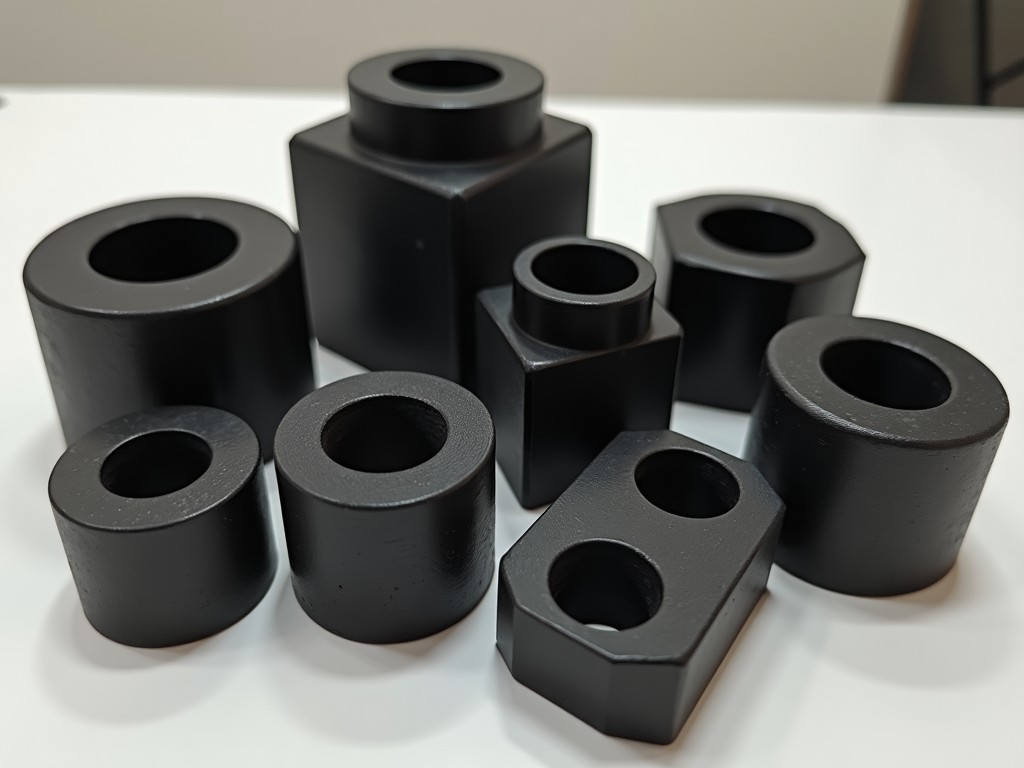
China Coke Forge For Sale
China Coke Forge for Sale
A coke forge is a specialized furnace used to heat coke and metal charges for processes such as iron ore reduction, steelmaking, and non‑ferrous alloy melting. Unlike gas‑fired furnaces, a coke forge relies on the combustion of solid coke, providing a stable, high‑temperature environment with low sulfur emissions when operated correctly.
Key Technical Specifications
| Parameter | Typical Range | Notes |
|---|---|---|
| Overall Length | 2 m – 6 m | Customizable per plant layout |
| Internal Diameter | 0.5 m – 2.0 m | Determines charge volume |
| Maximum Operating Temperature | 1 400 °C – 1 600 °C | Suitable for coke combustion and metal melting |
| Fuel Consumption | 0.8 kg – 1.5 kg coke per kWh | Depends on insulation and charge |
| Lining Material | High‑alumina refractory, SiC‑based, or carbon brick | Selected for thermal shock resistance |
Design and Construction Features
The forge shell is typically fabricated from rolled carbon steel plates, welded to withstand cyclic thermal stresses. Refractory lining is installed in layers, with a working face that resists chemical attack from alkali vapors and slag. Air distribution is achieved through a series of tuyeres positioned around the lower circumference, allowing precise control of combustion zones.
Optional features include water‑cooled steel shells for high‑duty cycles, removable slag doors for maintenance, and integrated charging systems that can accommodate bulk coke feed or pre‑briquetted charges. Insulation behind the refractory reduces shell temperature, improving energy efficiency and prolonging equipment life.
Typical Industrial Applications
- Primary ironmaking in blast furnace auxiliary heating, where the forge preheats coke to improve burden descent.
- Direct reduction of iron ore (DRI) plants requiring a consistent, high‑temperature reducing atmosphere.
- Melting of copper, nickel, and precious metal alloys in foundries that benefit from low‑sulfur flame characteristics.
- Heat treatment of steel billets and bars, where uniform temperature soaking is essential.
Customization Options
Buyers can specify overall dimensions to match existing facility layouts, choose refractory compositions based on specific slag chemistry, and select tuyeres configuration for desired airflow patterns. Additional instrumentation such as thermocouples, pressure transducers, and automated flame‑scanning systems can be integrated for real‑time process monitoring.
For plants aiming to reduce emissions, optional after‑burners or secondary air systems can be added to combust volatile organic compounds released during coke charging. All customizations are subject to engineering review to ensure structural integrity and compliance with relevant safety standards.
Quality Assurance and Testing
Each forge undergoes dimensional verification after shell fabrication, refractory thickness inspection using ultrasonic gauging, and hydraulic pressure testing of any water‑cooled jackets. Prior to shipment, a dry‑run heating cycle is performed to validate temperature uniformity and to detect any refractory cracking. Documentation includes material test reports, welding procedure specifications, and a factory acceptance test (FAT) protocol.
Frequently Asked Questions
Q: Can the forge dimensions be customized to fit a restricted installation space?
A: Yes, length and diameter can be adjusted within the standard ranges, and special geometries are available upon request after engineering review.
Q: What information is needed to obtain a quotation?
A: Required details include desired throughput (kg/h of coke), maximum operating temperature, preferred refractory type, and any auxiliary systems such as cooling or automation.
Q: How is the refractory lining quality assured?
A: Lining materials are supplied with certified chemical composition and porosity data; installation is followed by thickness measurement and thermal cycling tests before final acceptance.
×