-
Call Now ! +86 18231158869
-
Email Now [email protected]

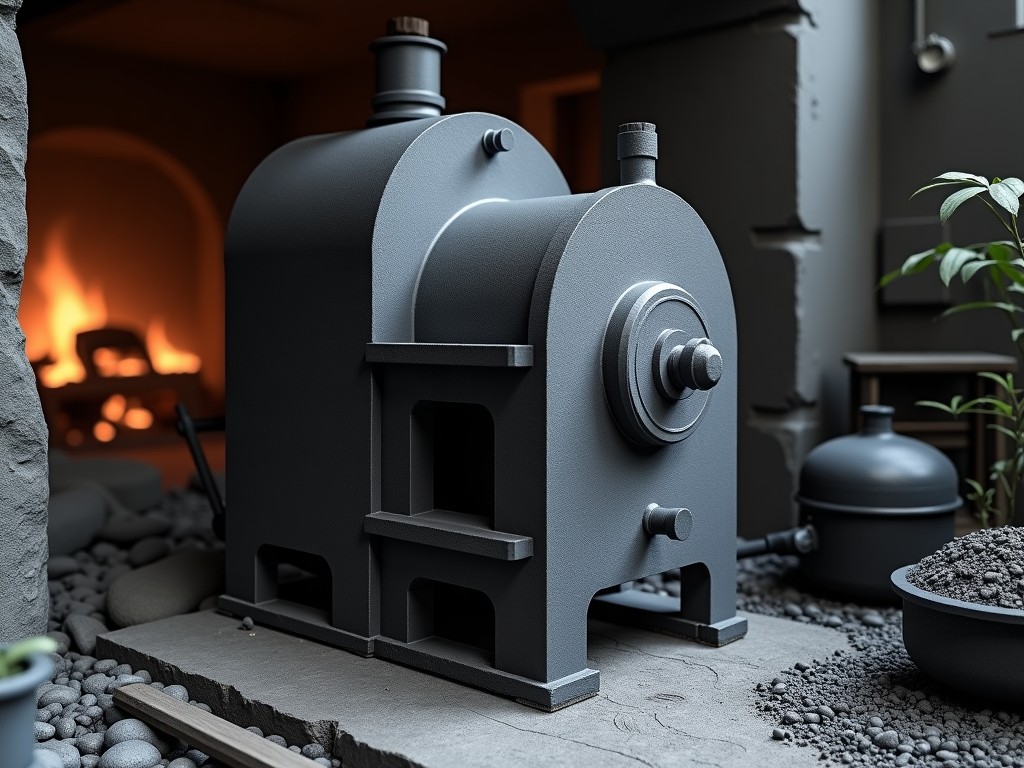
China Cupola Furnace Coke Bed
China Cupola Furnace Coke Bed
Overview
A cupola furnace relies on a stratified coke bed to provide both the heat source and the reducing atmosphere necessary for melting iron alloys. The coke bed sits above the tuyere zone where preheated air is introduced, establishing a combustion front that moves downward as coke is consumed. Proper bed geometry and permeability directly influence temperature uniformity, metal loss, and fuel efficiency in continuous operation.
Design and Construction
The coke bed is contained within a refractory-lined shaft whose inner diameter typically ranges from 0.8 m to 2.5 m depending on plant capacity. A perforated distributor plate at the tuyere level ensures even air injection across the bed cross‑section. Bed height is maintained by a charging system that adds fresh coke at the top while molten metal and slag are withdrawn from the bottom, creating a moving‑bed profile.
Refractory materials lining the shaft must resist thermal cycling, alkali attack from fluxes, and mechanical abrasion from the descending charge. Common choices include high‑alumina firebrick, silica‑based bricks, or monolithic castables with a service temperature above 1650 °C.
Operating Principle
Combustion occurs in the lower third of the coke bed where the injected air reacts with coke, generating CO and CO₂ and releasing sensible heat. The rising hot gases reduce iron oxide in the charge above the combustion zone, while the descending coke supplies additional carbon for carburization. The temperature gradient peaks at roughly 1550 °C near the tuyere and gradually declines toward the charge surface, establishing distinct zones: combustion, reduction, and preheating.
Bed permeability, governed by coke size distribution and void fraction, determines the pressure drop across the shaft. A typical pressure drop ranges from 0.5 kPa to 2.0 kPa for stable operation; excessive drop indicates channeling or fines accumulation, while insufficient drop may signal uneven air distribution.
Material Selection
Metallurgical coke used in the bed is selected based on fixed carbon content (usually 85 %–90 %), ash content (< 8 %), and mechanical strength (M40 index > 60). Low volatile matter minimizes unnecessary gas evolution that could disturb the bed structure. The coke size is typically graded between 20 mm and 50 mm to balance permeability and resistance to crushing.
Refractory linings are chosen according to the specific slag chemistry. Basic slags (high CaO/MgO) demand magnesia‑chrome or dolomite bricks, whereas acidic slags are compatible with silica‑based linings. Thermal shock resistance is evaluated via rapid heating‑cooling cycles, with a target of at least 20 cycles without spalling.
Performance Characteristics
Key performance indicators are expressed as ranges that vary with furnace size, charge composition, and operating practices. The table below lists typical values observed in industrial cupolas; actual figures should be confirmed for each project.
| Parameter | Typical Range | Unit |
|---|---|---|
| Coke Consumption Rate | 120‑180 | kg/tonne iron |
| Melt Rate | 1‑5 | tonne/hour |
| Combustion Zone Temperature | 1500‑1600 | °C |
| Pressure Drop Across Bed | 0.5‑2.0 | kPa |
| Bed Height (Operating) | 0.8‑1.5 | m |
Applications
Cupola furnaces equipped with an optimized coke bed are widely employed in foundries that require rapid melting of pig iron, scrap steel, and alloy returns. The continuous nature of the process supports high‑volume production of castings for automotive components, pipe fittings, and construction hardware. Because the coke bed supplies both heat and carbon, it enables precise control of silicon and manganese levels in the final melt, reducing the need for costly ferro‑alloy additions.
In operations where energy costs are a primary concern, the coke bed’s high calorific value (≈ 30 MJ/kg) and low nitrogen content minimize fuel consumption and limit thermal NOx formation. Additionally, the ability to operate with a wide range of charge sizes makes the cupola suitable for both small‑batch jobbing foundries and large‑scale integrated steel plants.
Quality Assurance
Each coke bed assembly undergoes dimensional verification of the shaft diameter, distributor plate hole pattern, and refractory thickness using laser scanning or tactile probes. Tolerances are typically held within ±2 mm for critical interfaces to ensure uniform air distribution and prevent localized overheating.
Refractory properties are confirmed through cold‑crushing strength tests, permanent linear change measurements after reheating to 1500 °C, and slag resistance assays per ISO 8894. Coke quality is validated by proximate analysis and drum index testing before charging. Documentation of these inspections is provided with each shipment.
Customization Options
Coke bed geometry can be tailored to match specific furnace diameters and desired production rates. Options include adjustable distributor plates with variable hole diameters, segmented refractory linings for easier replacement, and integrated temperature monitoring ports at multiple heights.
Clients may select alternative coke grades (e.g., low‑ash petroleum coke blends) or request special refractory formulations for high‑alkali environments. All customizations are subject to engineering review to confirm that permeability, structural integrity, and thermal performance remain within design limits.
Frequently Asked Questions
Can the coke bed dimensions be customized for existing cupola shells?
Yes. The internal diameter and bed height are designed to match the customer’s shell specifications. Detailed drawings of the existing refractory lining and tuyere layout are required to develop a compatible coke bed assembly.
What information is needed to prepare a quotation?
Key inputs include furnace inner diameter, target melt rate, charge composition, preferred coke specification, and any site constraints such as height limitations or refractory lining type. Providing a preliminary process flow diagram aids in accurate sizing.
Which refractory materials are available for the shaft lining?
Standard offerings comprise high‑alumina firebrick (Al₂O₃ ≥ 60 %), silica brick, and monolithic alumina‑silica castables. For basic slag environments, magnesia‑chrome or dolomite bricks can be supplied upon request.
How is quality inspected before shipment?
Dimensional checks, refractory property tests, and coke quality analysis are performed as outlined in the Quality Assurance section. Inspection reports, including test certificates, are enclosed with the delivery.
What packaging methods are used for transport?
Refractory components are palletized and wrapped in moisture‑resistant film. Coke is supplied in sealed bulk bags or lined containers to prevent contamination and moisture uptake during transit.
What is the typical production lead time?
Lead times range from 4 to 8 weeks depending on the complexity of customizations and current workshop capacity. Exact schedules are confirmed after finalizing the engineering drawings.
Contact for Inquiry
To discuss technical requirements, obtain a detailed quotation, or request engineering support, please reach out via the contact form. Our team will respond with project‑specific recommendations and lead‑time estimates.
Request Technical Consultation
×