-
Call Now ! +86 18231158869
-
Email Now [email protected]

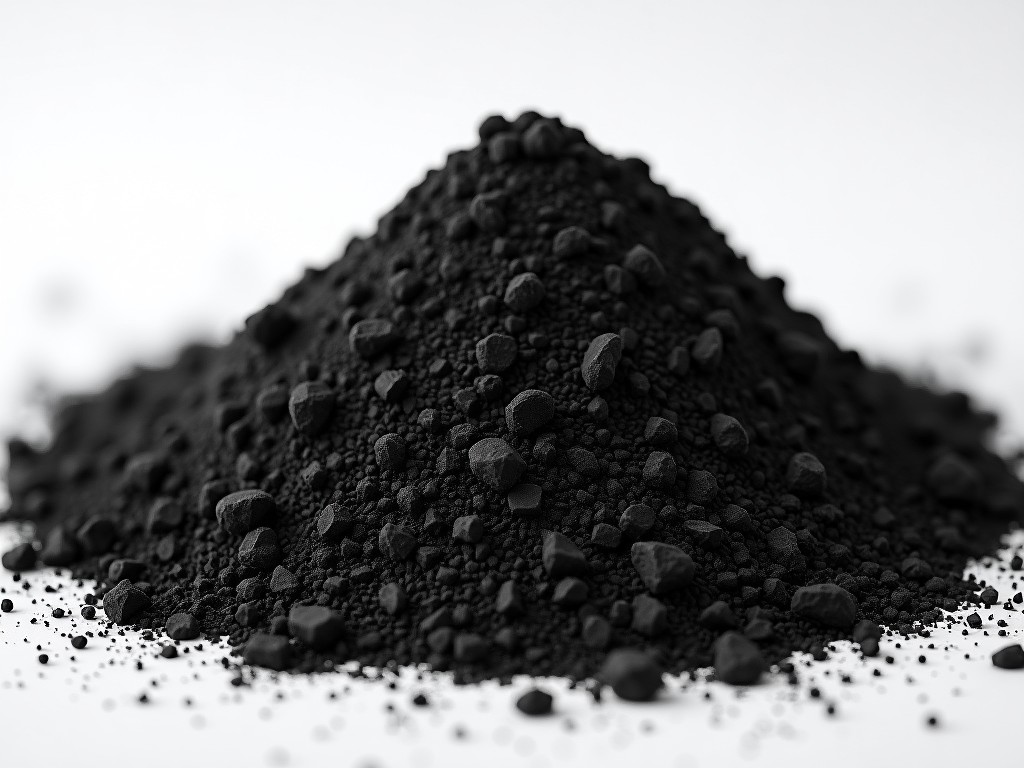
China Graphitized Petroleum Coke Supplier
China Graphitized Petroleum Coke Supplier
Graphitized petroleum coke represents a critical evolution of raw petroleum coke, achieved through extreme thermal treatment at temperatures typically ranging from 2500°C to 3000°C. This process transforms the amorphous carbon structure into a highly ordered crystalline lattice, significantly altering its physical properties. Such structural changes are essential for applications where high thermal conductivity, low electrical resistivity, and chemical inertness are non-negotiable.
In the industrial landscape, the quality of graphitized coke depends on the precision of the graphitization cycle. By meticulously controlling the heating rate and the atmospheric environment, manufacturers can eliminate volatile impurities and metallic trace elements. This results in a material that serves as a foundational component for high-performance applications in metallurgy, electronics, and energy storage.
Technical Specifications of Graphitized Petroleum Coke
| Property | Typical Value / Standard |
|---|---|
| Carbon Content (%) | ≥ 99.5% |
| Ash Content (%) | lt 0.05% |
| Electrical Resistivity (μΩ·cm) | 10 - 25 |
| Thermal Conductivity (W/m·K) | 80 - 150 |
| Density (g/cm³) | 1.8 - 2.2 |
Key Applications and Material Logic
The selection of graphitized petroleum coke is driven by the specific mechanical and thermal demands of the end product. In aluminum smelting, it is utilized in the production of carbon-grade electrodes where thermal shock resistance is required during the electrolytic process. The high purity ensures that energy consumption is minimized while maintaining the structural integrity of the electrode over extended cycles.
Beyond the metallurgical sector, this material is a vital precursor for the manufacturing of lithium-ion battery anodes. The low ash content and controlled pore structure allow for better lithium intercalation, which directly impacts battery capacity and cycle life. Furthermore, in the semiconductor industry, high-purity graphite components are used in environments that must withstand extreme temperatures without contaminating the silicon wafers.
- Electrode Production: Provides structural stability and low resistance for industrial furnaces.
- Battery Materials: Acts as the base for synthetic graphite used in anode materials.
- Nuclear Industry: Used in neutron shielding due to its unique carbon properties.
- Refractory Materials: Enhances chemical resistance in high-temperature furnace linings.
Manufacturing Process and Quality Control
Manufacturing begins with the selection of high-quality petroleum coke, which is first calcined to remove volatile components. This is followed by impregnation with pitch if higher density is required. The critical stage, graphitization, occurs in specialized rotary kiln furnaces where the high heat facilitates the rearrangement of carbon atoms into the crystalline graphite structure.
Quality assurance is maintained through rigorous testing at each stage. We employing X-ray diffraction (XRD) to measure the degree of graphitization and plasma analysis to verify trace element levels. These metrics ensure that every batch meets the specific chemical and physical performance parameters required by engineering specifications.
Customization and Export Logistics
Recognizing that different industrial processes have varying needs, we offer customizable particle size distributions. This can range from fine powders for chemical processing to larger granules for molding applications. Our team can also adjust the target purity levels based on the specific metallic impurity requirements of your target application.
Export logistics are managed to ensure material integrity during transit. Products are typically packed in moisture-resistant jumbo bags or bulk containers, depending on volume, to prevent contamination or moisture absorption. For international shipments, we provide comprehensive documentation, including certificates of analysis, to ensure smooth customs clearance and technical compliance.
Frequently Asked Questions
What particle sizes are available for graphitized coke?
We provide various mesh sizes from sub-mesh 200 up to 5mm granules, depending on your specific molding or manufacturing requirements.
How is the quality verified before shipment?
Each batch undergoes a chemical analysis for carbon and ash content, as well as physical testing for electrical resistivity and thermal conductivity.
What is the typical lead time for bulk orders?
Lead times generally vary from 3 to 6 weeks depending on the order volume and the level of customization requested.
Are you looking for a specific technical specification for your next project? Our engineering team is available to provide material consultation and technical support.
Request a Technical Consultation
×