-
Call Now ! +86 18231158869
-
Email Now [email protected]

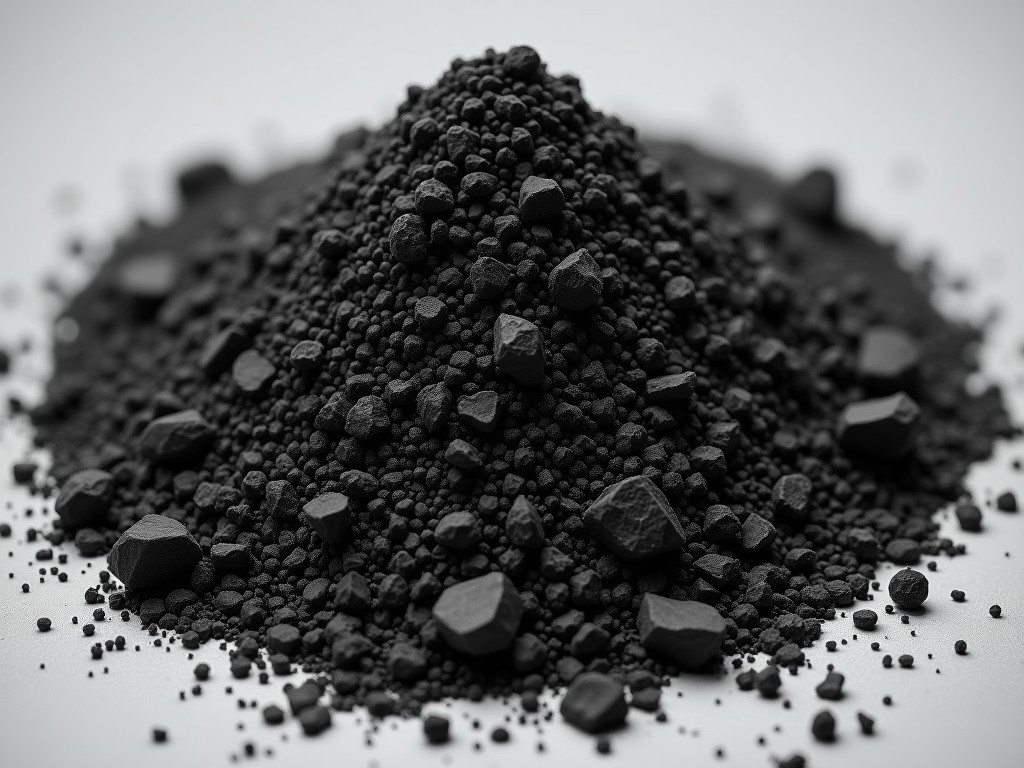
China Raw Petroleum Coke Price
China Raw Petroleum Coke Price: Market Dynamics and Technical Specifications
The pricing of raw petroleum coke (RPC) in China is dictated by a complex interplay between global energy trends and domestic industrial demand within the aluminum smelting sector. As a critical byproduct of the fluid catalytic cracking (FCC) process, RPC value fluctuates in tandem with the margins of heavy oil refineries. Understanding the price point requires looking beyond simple market rates to analyze the chemical composition of the feedstock and the logistical constraints of transporting bulk carbon-based industrial materials.
Factors Influencing Petroleum Coke Prices in China
Feedstock availability, specifically heavy-end crude oils indexed by Brent or WTI, remains the primary driver for RPC supply. When refineries shift production toward higher-margin distillates, the yield of petroleum coke may decrease, putting upward pressure on prices for available bulk material. Regional logistics within China also play a significant role; since RPC is often moved in bulk, transportation costs from coastal ports like Qingdao or Tianjin to inland industrial hubs can create localized price fluctuations.
Chemical specifications represent the second major variable in pricing tiers. Low-sulfur petroleum coke commands a premium because it is essential for high-grade aluminum anode production, where impurities can compromise electrical conductivity and integrity. Furthermore, the fixed carbon content and volatile matter levels determine the grade of the material, with higher carbon density offering better energy efficiency during the thermal processing phase of manufacturing.
Technical Specifications of Industrial Grade RPC
Procurement engineers evaluate RPC based on specific analytical metrics to ensure compatibility with smelting or manufacturing processes. The following table outlines the typical parameters for industrial-grade petroleum coke available in the Chinese market.
| Property | Typical Value | Testing Method |
|---|---|---|
| Carbon Content (%) | 94% - 98% | ASTM D5228 |
| Sulfur Content (%) | 1.5% - 4.0% | ASTM D4292 |
| Volatile Matter (%) | < 8.0% | ASTM D5171 |
| Ash Content (%) | < 1.0% | ASTM D5222 |
| Moisture (%) | < 0.5% | ASTM D221 |
Comparison: Needle Coke vs. Bulk Raw Petroleum Coke
Distinguishing between bulk raw petroleum coke and needle coke is vital for cost-benefit analysis. Bulk RPC is typically used in its raw state for anode manufacturing, where it undergoes further processing including impregnation with pitch. In contrast, needle coke is a highly refined product derived from thermal treatment of RPC, resulting in a specific crystalline structure with superior electrical resistance.
While needle coke commands a significantly higher price per metric ton due to the intensive processing requirements, it is indispensable for high-performance graphite electrodes. For general industrial applications or lower-grade electrode production, bulk RPC provides the necessary carbon density at a fraction of the cost, optimizing procurement budgets.
Industrial Applications and Material Requirements
The primary consumer of RPC in China is the aluminum industry, where the coke serves as the structural backbone of aluminum anodes. These anodes are subjected to extreme temperatures during the electrolytic process, requiring a material with high thermal stability and low shrinkage rates to prevent structural failure in the pot.
- Steel Electrode Manufacturing: RPC is utilized in the production of carbon electrodes, where high carbon content ensures the electrode can withstand the intense heat of electric arc furnaces.
- Chemical Synthesis: Some processes utilize petroleum coke as a reducing agent or feedstock in the production of specialized carbon blacks and carbon-based catalysts.
FAQ regarding Procurement and Quality Control
What information is required before requesting a quotation for RPC?
To provide an accurate quote, buyers must specify the required sulfur limit, minimum carbon percentage, total volume in metric tons, and the preferred delivery term (FOB, CIF, or CFR).
How is quality inspected for bulk shipments?
Quality control typically involves laboratory analysis of sampled batches to verify sulfur content and volatile matter. Physical inspection also focuses on size distribution to ensure the material meets the requirements of the specific processing equipment.
How are export shipments protected from moisture?
Bulk RPC is often shipped in moisture-protected vessels or-lined bulk carriers. For smaller quantities, heavy-duty bags with polyethylene liners are used to prevent water absorption during trans-oceanic transit.
Need Technical Specifications or Current Pricing?
We provide detailed technical data sheets and market-aligned pricing tailored to your specific industrial requirements.
Request a Technical Consultation
×