-
Call Now ! +86 18231158869
-
Email Now [email protected]

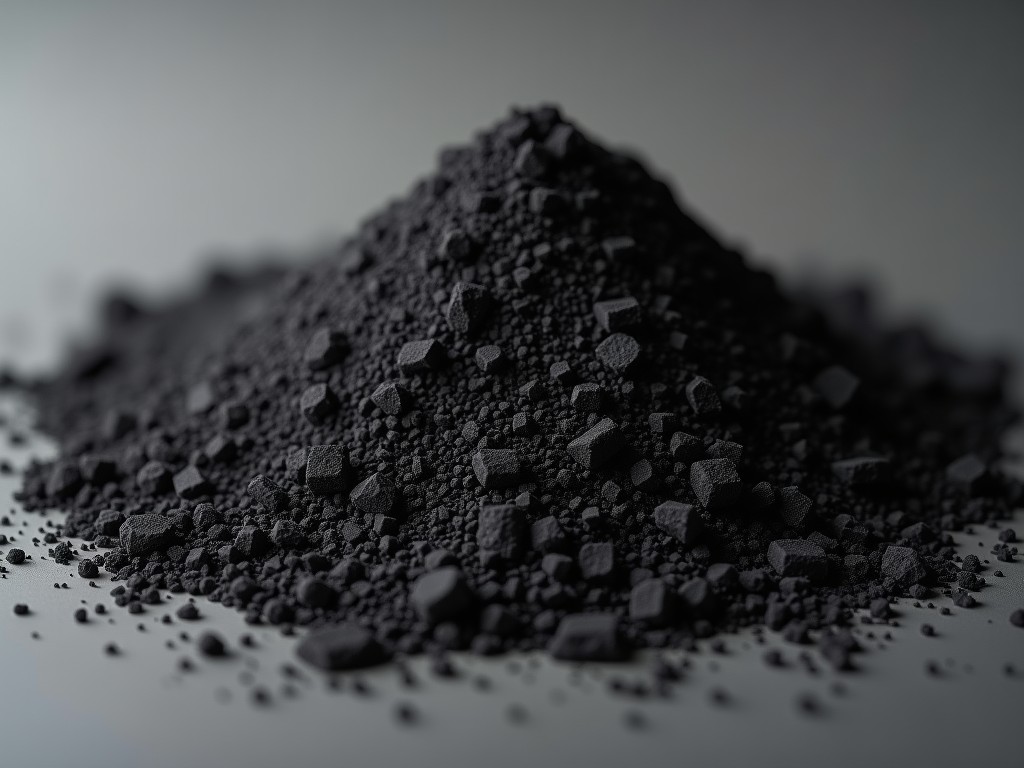
China Wholesale Use Of Calcined Petroleum Coke
Calcined Petroleum Coke for Industrial Applications – China Wholesale
Calcined petroleum coke (CPC) is a solid carbon material obtained by heating green petroleum coke to temperatures typically between 1200 °C and 1400 °C in an oxygen‑limited atmosphere. This process drives off volatile matter and increases the fixed carbon content, yielding a product with low electrical resistivity and high thermal stability suitable for demanding industrial processes.
Key Material Characteristics
The primary attributes that determine CPC performance are its fixed carbon percentage, volatile matter, sulfur content, moisture, and real density. These parameters influence electrical conductivity, reactivity, and handling characteristics in downstream applications.
| Property | Typical Range |
|---|---|
| Fixed Carbon (wt %) | 98.0 – 99.5 |
| Volatile Matter (wt %) | 0.5 – 1.5 |
| Sulfur (wt %) | 0.02 – 0.08 |
| Moisture (wt %) | 0.1 – 0.3 |
| Real Density (g cm⁻³) | 2.05 – 2.12 |
Typical Applications in Industry
The high carbon purity and low volatility of CPC make it a preferred raw material for the production of anodes used in aluminum smelting. In this role, the material’s electrical resistivity directly affects cell voltage and energy consumption.
- Anode manufacturing: CPC is blended with coal tar pitch, formed into blocks, and baked to produce consumable anodes that conduct electricity into the electrolytic cell.
- Fuel for power generation: When ground to a fine powder, CPC can be burned in boilers or cement kilns, providing a high‑calorific value fuel with relatively low ash content.
- Steel industry recarburizer: Adding CPC to molten steel adjusts the carbon content while minimizing nitrogen pickup compared with other recarburizers.
- Production of graphite electrodes: Further graphitization of CPC yields synthetic graphite used in electric arc furnaces and lithium‑ion battery anodes.
Quality Control and Testing
Consistent quality is achieved through systematic sampling at multiple points during calcination, followed by laboratory analysis using standardized methods such as ASTM D3172 for proximate analysis and ISO 1171 for sulfur determination. Each batch is accompanied by a certificate of analysis reporting the key parameters listed above.
Process controls include monitoring kiln temperature profiles, residence time, and feedstock variability. Deviations outside the specified ranges trigger corrective actions before material is released for shipment.
Packaging and Logistics
CPC is typically shipped in bulk using covered hopper railcars or sealed bulk containers to protect against moisture ingress. For smaller quantities, multi‑wall polyethylene‑lined bags of 25 kg or 50 kg are employed, each bag sealed and palletized for stable handling.
Loading procedures follow industry standards to minimize dust generation, and shipments are accompanied by material safety data sheets (MSDS) detailing handling precautions and fire‑fighting measures.
Frequently Asked Questions
Can the particle size be customized for specific processes?
Yes. CPC can be screened or milled to meet size specifications such as 0–5 mm for anode paste preparation or <0.1 mm for fuel injection systems, based on project requirements.
What information is required before a quotation is prepared?
To provide an accurate quote, we need the desired quantity, delivery destination, required fixed carbon and sulfur limits, preferred packaging type, and any applicable compliance standards (e.g., ASTM, ISO).
How is quality inspected prior to shipment?
Each lot undergoes a composite sample test for fixed carbon, volatile matter, sulfur, and moisture. Results are compared against the agreed specification; only lots meeting all criteria are released.
For technical inquiries, sample requests, or wholesale pricing, please reach out to our sales team.
Contact Sales
×