-
Call Now ! +86 18231158869
-
Email Now [email protected]

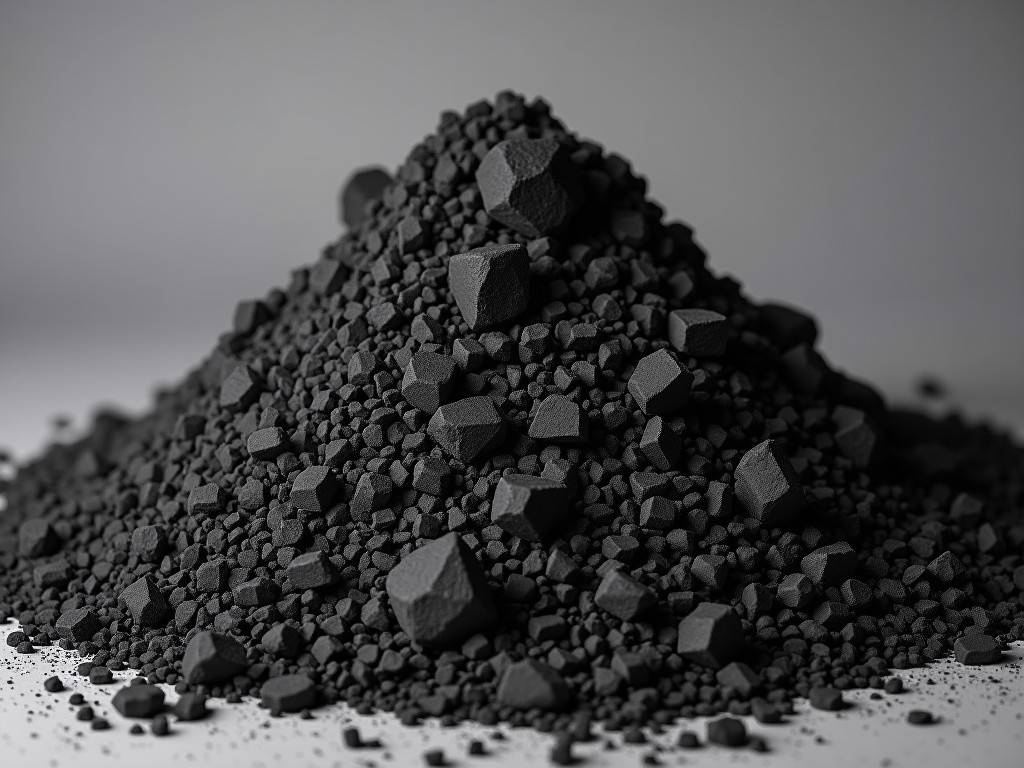
Coke Coal For Sale Top Suppliers
Coke Coal for Sale Top Suppliers
Coke coal, technically classified as metallurgical coal, is a fundamental raw material in the global steel industry. Unlike thermal coal used primarily for electricity generation, metallurgical coal is specifically processed in oxygen-free ovens to produce coke. This material provides the structural integrity and chemical reducing power required within blast furnaces to transform iron ore into molten iron. Top suppliers focus on material with precise chemical profiles that ensure consistent thermal performance and efficiency during the ironmaking process.
Technical Specifications of High-Grade Coke Coal
The quality of coke coal is determined by its chemical composition and its behavior under thermal stress. High-grade variants prioritize low ash and sulfur content to prevent slag issues and metal brittleness. The following table outlines the typical technical parameters expected from high-quality metallurgical coal supplied to industrial leaders.
| Parameter | Typical Values / Range |
|---|---|
| Fixed Carbon (%) | 70% - 85% |
| Ash Content (%) | 8% - 15% |
| Sulfur Content (%) | < 0.5% |
| Volatile Matter (%) | 20% - 30% |
| Moisture Content (%) | < 5.0% |
| Coke Strength Index (CSI) | > 60% |
Key Factors for Selecting Top Suppliers
Sourcing metallurgical coal requires more than comparing price per metric ton. Procurement teams must evaluate the supplier's ability to maintain chemical stability across complex supply chain networks.
- Chemical Consistency: The ability to provide batch-to-batch stability analysis is vital to prevent disruptions in blast furnace operations.
- Logistical Infrastructure: Access to deep-water ports and specialized bulk handling facilities ensures minimal transit damage and timely delivery.
- Technical Transparency: Providing detailed Certificates of Analysis (CoA) for every shipment allows for pre-emptive quality assurance.
- Environmental Compliance: Adherence to international mining standards and emission regulations mitigates long-term regulatory risk.
Applications in Steel and Energy Production
The primary application of coke coal is in the blast furnace, where it serves a dual role as a fuel to generate heat and as a reducing agent to strip oxygen from the iron ore. The physical structure of the resulting coke is essential because it supports the weight of the furnace burden, allowing hot gases to flow upward through the stack.
Beyond steelmaking, high-grade coke is utilized in the chemical industry for the production of synthesis gas. This gas is a precursor for ammonia, methanol, and various organic chemicals. These applications require coal with specific porous structures and low impurity levels to maximize gasification yields.
Quality Control and Testing Protocols
Rigorous quality control involves extensive laboratory testing to simulate the harsh environment of the furnace. Engineers monitor the swelling index, which measures how much the coal expands when heated, directly impacting the permeability of the coke bed.
Mechanical strength testing is also critical to ensure the coke does not crush into fines under the immense pressure of the furnace load. Excessive fines can block the gas flow, leading to increased energy consumption and reduced overall production efficiency.
Frequently Asked Questions
What is the typical lead time for bulk coke coal?
Lead times vary based on the order volume and the specific origin, but international bulk orders typically require 30 to 60 days from contract to port arrival.
Are samples available for technical evaluation?
Yes, representative samples are usually provided upon request to allow engineering teams to conduct independent chemical and thermal analysis testing.
How are export shipments protected against moisture?
Bulk shipments are transported in sealed bulk carriers, while smaller quantities are packed in moisture-resistant liners within containers or jumbo bags to prevent water absorption.
Requires specific metallurgical specifications for your project?
Contact our technical team to discuss material requirements and logistical capabilities.
Request Technical Quotation
×