-
Call Now ! +86 18231158869
-
Email Now [email protected]

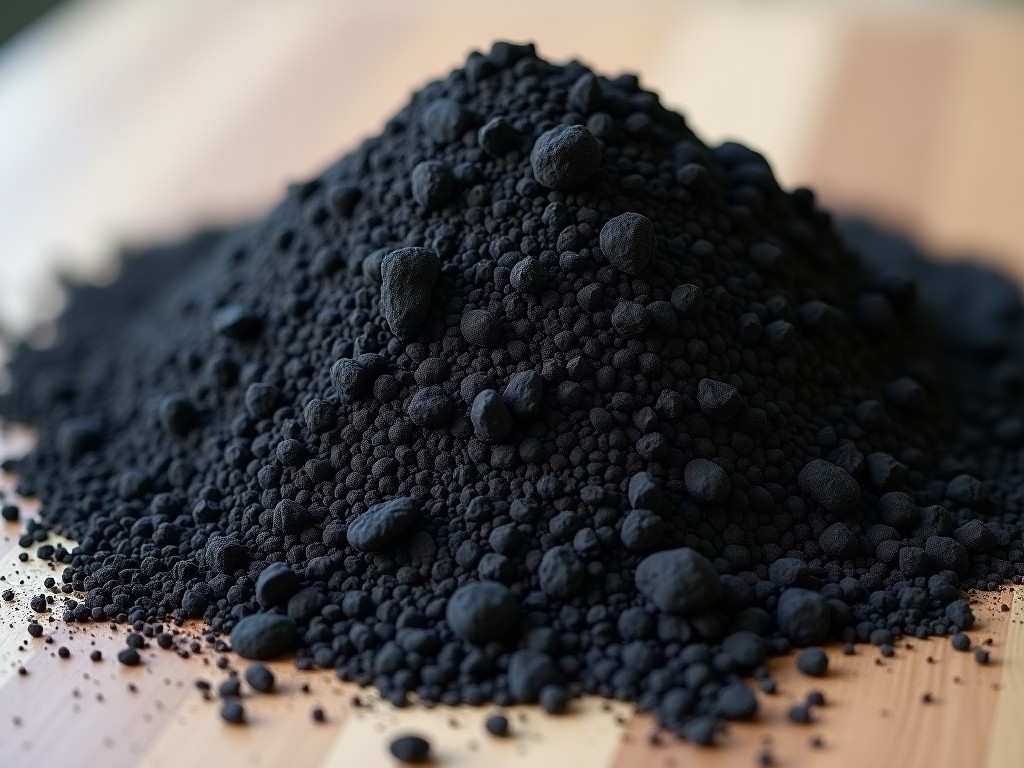
Factory Price Coke Made From Coal
Factory Price Coke Made from Coal
Coke produced from coal serves as a critical fuel and reducing agent in blast furnace operations. Understanding its production characteristics helps buyers evaluate suitability for specific metallurgical processes.
What Is Metallurgical Coke?
Metallurgical coke is a solid carbonaceous material derived from low‑ash, low‑sulfur bituminous coal through a controlled heating process. During coking, volatile matter is driven off, leaving a porous structure with high compressive strength and consistent reactivity. The resulting product supports the descent of burden materials and facilitates the reduction of iron ore in the furnace.
Production Process from Coal
Coal is first crushed and blended to achieve a uniform particle size distribution, typically ranging from 0 to 6 mm. The blend is then charged into a coke oven where it undergoes pyrolysis at temperatures between 900 °C and 1100 °C in an oxygen‑free atmosphere. Volatile hydrocarbons are expelled and collected for by‑product recovery, while the solid matrix undergoes carbonization. After a coking cycle of 14 to 18 hours, the hot coke is pushed out, quenched with inert gas or water spray, and screened to size. Final product is stored in silos or stockpiles under controlled moisture conditions to prevent degradation.
Key Technical Characteristics
Buyers evaluate coke based on measurable properties that directly influence furnace performance. Typical values for standard grades are shown below.
| Property | Typical Value | Unit | Test Method |
|---|---|---|---|
| Fixed Carbon | 88 – 92 | % | ASTM D3175 |
| Ash Content | 7 – 9 | % | ASTM D3174 |
| Sulfur Content | 0.5 – 0.8 | % | ASTM D4239 |
| Volatile Matter | 0.8 – 1.2 | % | ASTM D3175 |
| Cold Crushing Strength | 20 – 25 | kgf | ISO 1006 |
| Reactivity Index (CRI) | 22 – 26 | % | ISO 18894 |
| Strength after Reaction (CSR) | 58 – 62 | % | ISO 18894 |
High fixed carbon ensures sufficient energy release, while low ash and sulfur minimize slag volume and reduce furnace wear. Adequate cold crushing strength prevents fines generation during handling, and controlled reactivity indices support consistent iron reduction rates.
Industrial Applications
Coke’s primary role is as both a fuel and a chemical reductant in ironmaking, but its physical properties also benefit other high‑temperature processes where a stable, porous carbon matrix is required.
- Blast furnace ironmaking – provides upward gas flow and downward burden support while generating carbon monoxide for ore reduction.
- Foundry cupola melting – supplies consistent heat and reducing atmosphere for melting scrap iron and alloying elements.
- Non‑ferrous metal smelting – acts as a fuel source and carbon sink in processes such as lead and zinc reduction.
- Chemical gasification – serves as feedstock for producing syngas with defined hydrogen‑to‑carbon ratios.
Quality Assurance and Control
Each batch undergoes systematic sampling at the oven discharge and after screening. Laboratory analysis verifies fixed carbon, ash, sulfur, volatile matter, and mechanical strength against internal specifications. Results are recorded and traceable to the specific oven lot for future reference.
Customization Options
Buyers can request adjustments to size distribution, ash content, sulfur level, and moisture to match specific furnace burdens or downstream processes. Adjustments are achieved through coal blend selection, coking time modification, and post‑coking quenching parameters. Final specifications are confirmed during the quotation stage.
Packaging and Logistics
Coke is typically shipped in bulk via rail gondolas or ocean-going bulk carriers to minimize handling and degradation. For smaller quantities, it can be loaded into sealed, moisture‑proof bulk bags or containerized flexi‑tanks. Protective covers and inert gas blanketing are applied during transit to maintain product integrity.
Frequently Asked Questions
Can the size distribution be tailored to our furnace burden?
Yes, the crushing and screening stages are adjusted to produce the required top size and fines content based on your burden design.
What information is needed to receive a quotation?
Please provide the desired quantity, delivery destination, required size range, maximum allowable ash and sulfur, and any special packaging preferences.
How is quality consistency ensured across shipments?
Quality is monitored through a statistical process control system that tracks key parameters for each oven lot, with corrective actions applied if values drift beyond control limits.
Get a Quote
To discuss your specific coke requirements or request a formal quotation, contact our technical team.
×