-
Call Now ! +86 18231158869
-
Email Now [email protected]

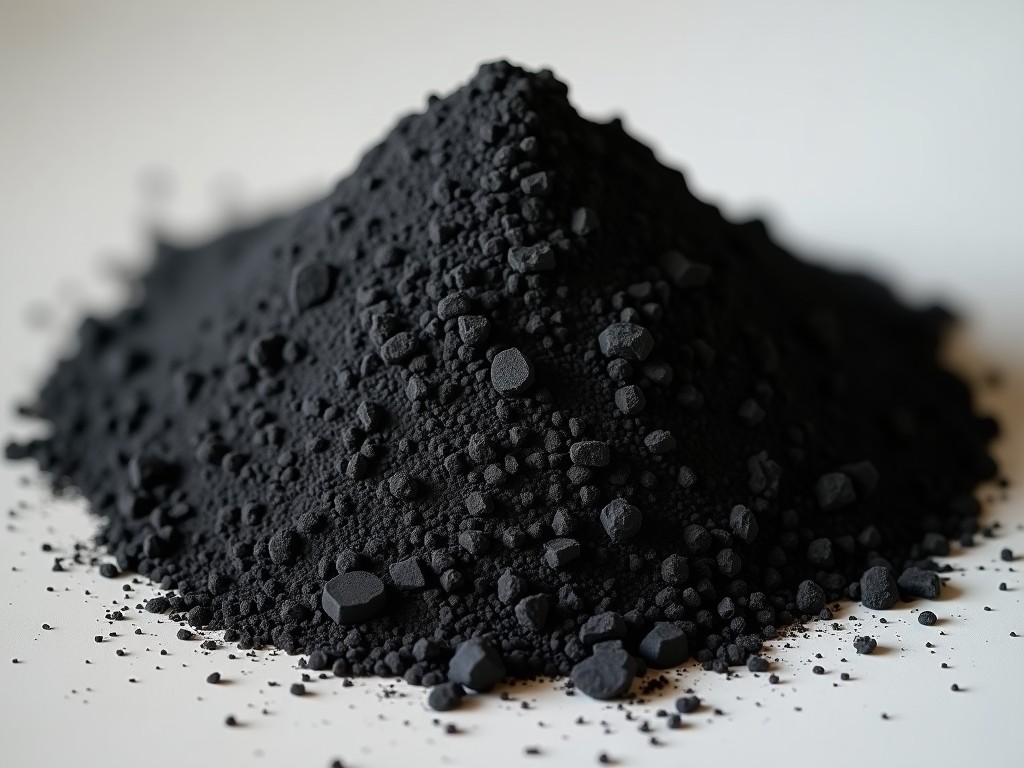
Factory Price Graphite Coke
Factory Price Graphite Coke
Overview
Graphite coke is a high‑carbon material derived from the thermal treatment of petroleum coke or coal tar pitch. It serves as a conductive filler in anode production for aluminum smelting, as a recarburizer in steelmaking, and as a raw material for graphite electrodes. Its performance is defined by fixed carbon content, ash, sulfur, moisture, and particle size distribution.
Technical Specifications
Typical values vary by grade and are adjusted according to customer requirements. The table below shows common ranges for three standard grades used in industrial applications.
| Property | Grade A | Grade B | Grade C |
|---|---|---|---|
| Fixed Carbon (wt%) | ≥98.5 | ≥97.5 | ≥96.0 |
| Ash (wt%) | ≤0.4 | ≤0.6 | ≤0.8 |
| Sulfur (wt%) | ≤0.25 | ≤0.35 | ≤0.50 |
| Moisture (wt%) | ≤0.5 | ≤0.8 | ≤1.0 |
| True Density (g/cm³) | 2.05‑2.10 | 2.00‑2.05 | 1.95‑2.00 |
| Electrical Resistivity (µΩ·m) | 8‑12 | 10‑15 | 12‑18 |
Applications
The selection of graphite coke grade depends on the required electrical conductivity, impurity tolerance, and thermal stability of the end product.
- Anode baking for primary aluminum production – low ash and sulfur reduce anode consumption and improve cell efficiency.
- Recarburizer in steelmaking – high fixed carbon content allows precise carbon adjustment with minimal slag formation.
- Graphite electrode manufacture – low resistivity and consistent particle size ensure stable arc performance during electric arc furnace operation.
- Foundry facing – controlled bulk density and surface finish improve mold release and casting surface quality.
Quality Control
Each lot undergoes systematic testing to verify compliance with the agreed specification sheet. Sampling follows ISO 9001‑based procedures, and results are recorded in a traceable batch record.
Key inspection points include:
- Fixed carbon and ash by combustion analysis (ASTM D3174/D3175).
- Sulfur content via infrared spectrometry (ASTM D4239).
- Moisture by loss‑on‑drying (ASTM D3173).
- Particle size distribution using laser diffraction (ISO 13320).
- Bulk density measured according to ASTM D291.
Any deviation beyond the allowed tolerance triggers a hold‑point review before release.
Customization Options
Product attributes can be tuned to match specific process requirements without compromising core characteristics.
- Fixed carbon content adjustable from 96% to 99% through varying calcination temperature and soak time.
- Ash reduction achievable via acid washing or additional thermal steps, typically achieving <0.3% for high‑purity grades.
- Sulfur levels can be lowered to <0.15% using desulfurization treatments.
- Particle size grading customized from fine powder (<45 µm) to coarse granules (2‑5 mm) for different feeding systems.
- Surface treatment options include silane coating to improve wettability in certain binder systems.
Packaging & Shipping
Proper packaging prevents moisture uptake and contamination during transit and storage.
- 25 kg multi‑wall polyethylene bags with inner liner, sealed and placed on pallets.
- 500 kg flexible intermediate bulk containers (FIBCs) with discharge spout, suitable for bulk handling.
- 1 metric tonne bulk bags with UV‑stabilized fabric for outdoor storage.
- Containerized shipments use desiccant packets and are secured with straps to avoid shifting.
All packages are labeled with batch number, net weight, and handling instructions in accordance with IMDG and IATA regulations where applicable.
Frequently Asked Questions
Can dimensions be customized?
Yes, particle size distribution and bulk density can be adjusted per project specifications; please provide target ranges during inquiry.
What information is required before quotation?
Required details include intended application, desired fixed carbon and ash limits, quantity, delivery schedule, and any special packaging or certification needs.
How is quality inspected?
Each batch undergoes fixed carbon, ash, sulfur, moisture, and particle size testing according to ASTM/ISO standards; certificates of analysis are supplied with shipment.
What is the typical production lead time?
Lead time varies from 2 to 4 weeks depending on order size and customization complexity; exact timing is confirmed at order acceptance.
Contact for Technical Inquiry
To discuss grade selection, request a sample, or obtain a formal quotation, please reach out to our technical team.
Submit Inquiry
×