-
Call Now ! +86 18231158869
-
Email Now [email protected]

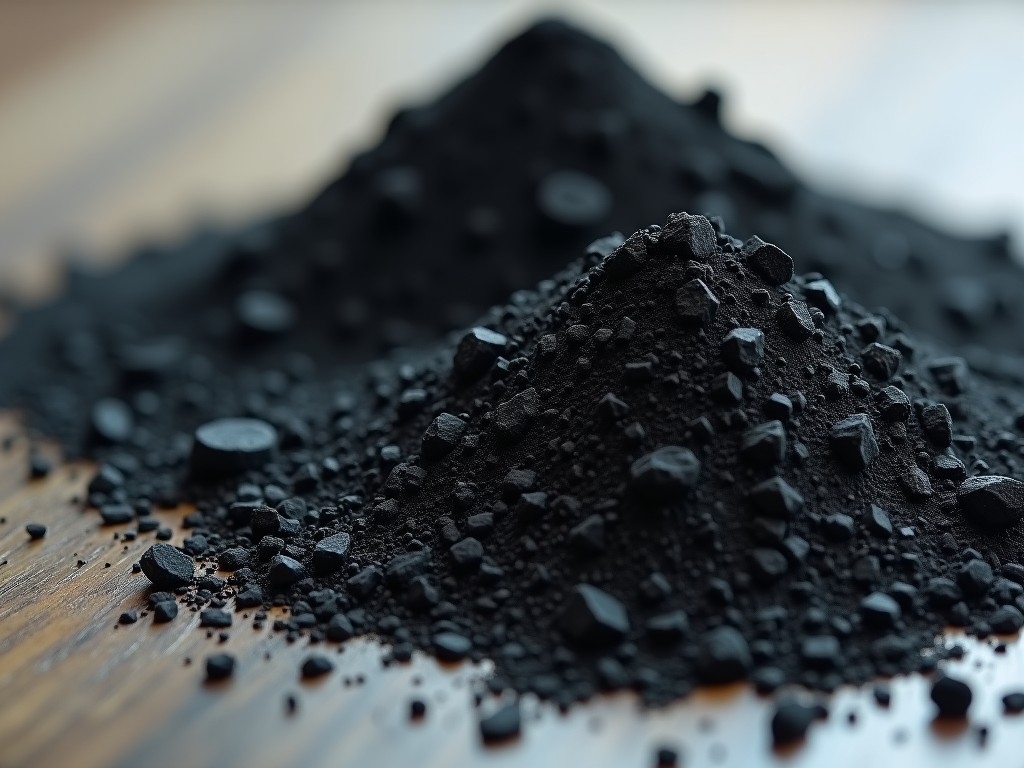
Green Petroleum Coke Suppliers
Green Petroleum Coke Suppliers
Green petroleum coke originates from the delayed coking of crude oil fractions. After coking, the raw green coke undergoes calcination at temperatures between 1200 °C and 1350 °C in a low‑oxygen kiln, which reduces hydrogen and volatile matter while increasing electrical conductivity.
Typical Chemical and Physical Properties
| Property | Typical Range | Test Method |
|---|---|---|
| Fixed Carbon (wt %) | 85 – 92 | ASTM D3172 |
| Volatile Matter (wt %) | 1 – 4 | ASTM D3172 |
| Ash (wt %) | 0.5 – 1.5 | ASTM D3174 |
| Sulphur (wt %) | 0.2 – 0.5 | ASTM D4239 |
| Moisture (wt %) | 0.1 – 0.5 | ASTM D3302 |
| Particle Size (mm) | 0.5 – 5 (customizable) | Sieving per ASTM D4749 |
Production Considerations
In the calcination kiln, residence time and temperature profile directly affect the final volatile content and crystalline structure. Operators monitor off‑gas composition to maintain a reducing environment, which limits sulphur re‑absorption and ensures consistent electrical resistivity.
After calcination, the coke is cooled, screened to size fractions, and stored in silos equipped with nitrogen blanketing to prevent oxidation. Moisture pickup is minimized by maintaining relative humidity below 40 % in storage areas.
Industrial Applications
- Anode manufacturing for aluminium smelting – low sulphur content reduces anode gas emissions and improves current efficiency.
- Fuel for industrial boilers and power plants – high fixed carbon delivers a high calorific value while low sulphur helps meet regulatory limits on SO₂.
- Reducing agent in steelmaking and ferroalloy production – consistent reactivity and low ash minimize slag formation.
- Carbon additive in graphite electrode production – controlled particle size ensures uniform mixing and proper bake characteristics.
Quality Assurance Methods
Each lot is sampled according to ISO 14284, with incremental samples taken from the top, middle, and bottom of the batch. Composite samples undergo proximate analysis, sulphur determination, and particle size distribution testing.
Results are compared against internal specification limits; any deviation triggers a hold and investigation before release. Certification documents include the test report batch number and date of analysis.
Customizable Parameters
- Particle size grading – options range from fine powder (<0.2 mm) to coarse granules (up to 10 mm) based on downstream processing needs.
- Moisture content – can be reduced below 0.1 % through additional drying or kept higher for specific briquetting processes.
- Sulphur level – tighter specifications down to 0.1 % achievable via selective feedstock or post‑calcination treatment.
- Packaging – available in 25 kg multi‑wall bags, 500 kg bulk sacks, or loose in 20‑ft and 40‑ft containers with liner bags.
Packaging and Shipping
Bulk shipments use containerized liner bags that protect against moisture ingress and contamination. For bagged product, each bag is sealed with a heat‑seal valve and placed on pallets with corner protectors to facilitate forklift handling.
Typical lead time from order confirmation to ex‑works readiness is 2–3 weeks, depending on current production schedule and destination port logistics. All export documentation includes MSDS, certificate of analysis, and loading instructions.
Frequently Asked Questions
| Question | Answer |
|---|---|
| Can the particle size be customized? | Yes, size grading is adjusted via screening and can be tailored to client specifications. |
| What information is needed for a quotation? | Required details include desired quantity, particle size range, maximum sulphur content, packaging preference, and delivery incoterm. |
| Which quality standards are followed? | Testing follows ASTM D3172, D3174, D4239, and ISO 14284 sampling procedures. |
| How is product protected during transit? | Bulk shipments use polyethylene liner bags inside containers; bagged goods are stretch‑wrapped on pallets and secured with strapping. |
| What is the typical shelf life? | When stored in dry, ventilated conditions away from direct sunlight, the product remains stable for at least 12 months without significant property change. |
Request a Quote
To obtain a detailed quotation, please provide your technical requirements and delivery details. Our team will respond with pricing, lead time, and available options.
Contact Us
×