-
Call Now ! +86 18231158869
-
Email Now [email protected]

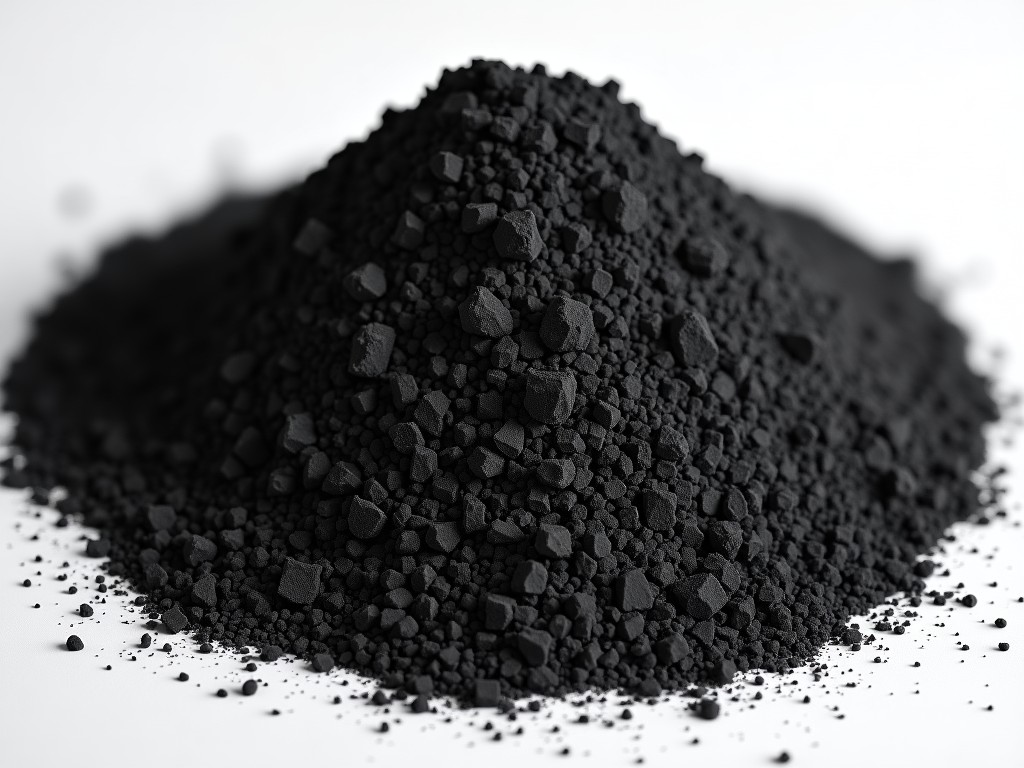
Low Ash Metallurgical Coke Suppliers Price Per Ton
Low Ash Metallurgical Coke – Supplier Overview and Pricing per Ton
Metallurgical coke serves as the primary fuel and reducing agent in blast‑ furnace ironmaking, where its physical strength and chemical composition directly affect furnace productivity and hot metal quality. Low ash metallurgical coke is defined by an ash content typically below 8 % on a dry basis, which minimizes slag formation and reduces the flux burden on the furnace.
Key Technical Characteristics
Typical proximate analysis for low ash coke includes fixed carbon ranging from 88 % to 92 %, volatile matter under 1.5 %, and sulfur content kept below 0.5 % to limit hot‑metal brittleness. The ash composition is dominated by silica and alumina, with trace amounts of iron oxide and alkali metals that influence slag viscosity.
| Property | Typical Range (Dry Basis) |
|---|---|
| Ash content | ≤ 8 % |
| Fixed carbon | 88 % – 92 % |
| Volatile matter | ≤ 1.5 % |
| Sulfur | ≤ 0.5 % |
| Size (screen analysis) | 40 mm – 80 mm (≤ 5 % fines) |
Drivers of Price Variation
The cost of low ash coke per ton is linked to the price and quality of the parent coking coal, the efficiency of the coking process in removing ash‑forming minerals, and any post‑coking treatment such as washing or chemical leaching. Transportation distance from the coke plant to the steel mill, handling requirements, and order volume also modify the final quotation.
- Coking coal rank and ash content
- Coking temperature and soak time
- Use of pre‑treatment (coal washing, additives)
- Logistics mode (rail, barge, truck) and distance
- Purchase volume and contract length
What to Look for in a Supplier
Consistency in ash content is the primary metric; suppliers should provide routine proximate analysis certificates for each shipment, ideally following ASTM D3174 or ISO 1171. Additional considerations include the supplier’s ability to guarantee size distribution, moisture content below 5 %, and on‑time delivery performance backed by a proven track record with integrated steel plants.
Role in Blast Furnace Operation
Low ash coke reduces the volume of slag generated per ton of hot metal, which lowers the flux consumption (limestone, dolomite) and decreases the energy required to melt the slag. The higher fixed carbon translates to a greater calorific value per kilogram, improving the furnace’s thermal efficiency and allowing a higher pulverized coal injection rate if desired.
- Lower slag volume → reduced flux cost
- Higher calorific value → improved fuel efficiency
- Consistent size → better permeability of the burden
- Low sulfur → reduced hot‑metal desulfurization load
Quality Assurance Practices
Reputable suppliers perform proximate analysis on every batch using calibrated laboratory equipment, with results reported on a dry basis. Sampling follows ISO 18283 (hard coal and coke) procedures, taking incremental samples from multiple points of the shipment to ensure representativeness. Third‑party inspection can be arranged upon request for added confidence.
Indicative Price per Ton
Market assessments for low ash metallurgical coke with ash ≤ 8 % typically show quotations between US $150 and US $250 per metric ton, FOB port of loading. The final price depends on the exact ash level, size specification, contract duration, and prevailing coking coal indices.
Requesting a Quote
To obtain a firm price, provide the required ash maximum, size range, annual volume, delivery terms (FOB, CIF, etc.), and any additional testing or certification needs. Suppliers will then generate a formal quotation based on current raw material costs and production capacity.
Request a Technical Quotation
×