-
Call Now ! +86 18231158869
-
Email Now [email protected]

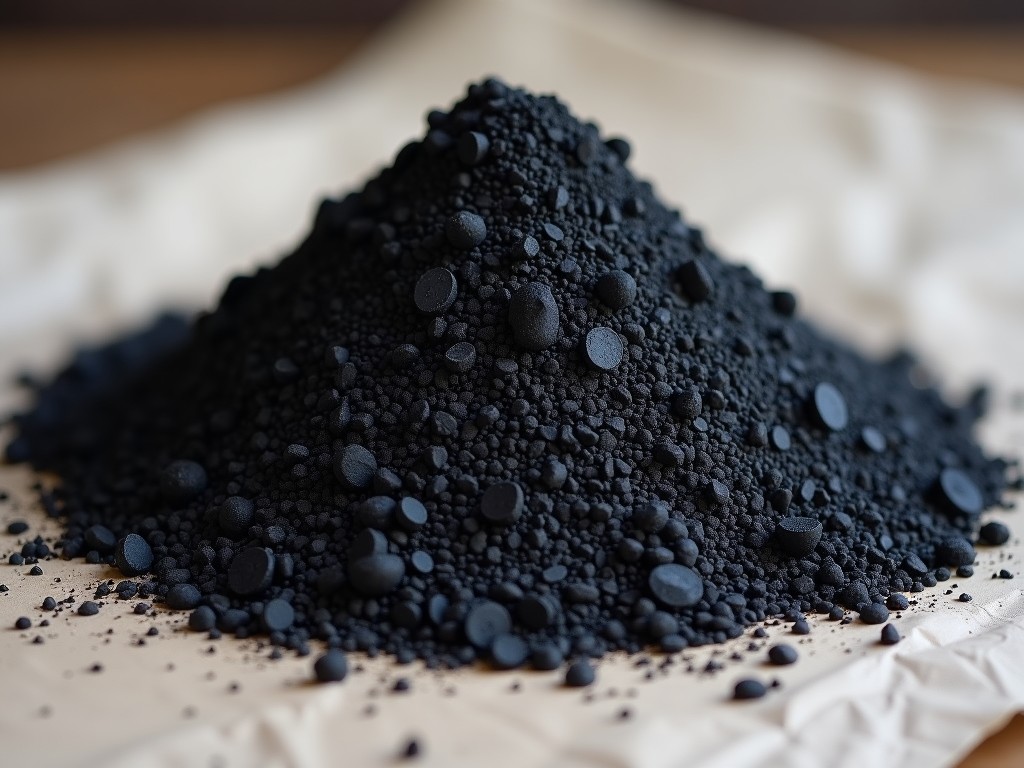
Low Sulfur Calcined Petroleum Coke Price Today
Low Sulfur Calcined Petroleum Coke Price Today: Market Analysis and Technical Specifications
The market valuation of low sulfur calcined petroleum coke (LSCPC) is determined by a complex interplay of global crude oil indices, energy-intensive calcining costs, and the specific purity requirements of high-end industrial applications. Unlike standard-grade coke, low sulfur variants command a premium due to the rigorous processing required to meet stringent elemental thresholds necessary for metallurgical and chemical processes.
Key Drivers of Daily Price Fluctuations
Current pricing trajectories for low sulfur CPC are heavily influenced by the availability of heavy vacuum gas oilstocks. When the supply of low-sulfur feedstock fluctuates, the cost structure of the final calcined product shifts accordingly. Furthermore, the energy intensity of the calcination process—where coke is heated to temperatures exceeding 1300°C—links the product price directly to regional natural gas and electricity indices.
Logistics and regional demand also play a critical role in the "price today" metric. Because LSCPC is often transported in bulk, maritime freight rates and port congestion can create significant variance in landed costs for international buyers. Procurement managers must monitor these variables alongside the global spot price of petroleum to determine the most favorable window for large acquisitions.
Technical Performance Standards of Low Sulfur CPC
Engineering teams select low sulfur calcined petroleum coke based on its chemical consistency and physical stability. Low sulfur grades are characterized by high fixed carbon content and minimal ash levels, which ensure structural integrity in applications like electrode manufacturing. The following table outlines the typical technical parameters for high-grade low sulfur CPC.
| Property | Typical Value | Unit |
|---|---|---|
| Sulfur Content | < 1.0 | % |
| Fixed Carbon | 85 - 92 | % |
| Ash Content | < 4.0 | % |
| Volatile Matter | < 8.0 | % |
| Moisture | < 0.5 | % |
Industrial Applications and Rationale
The primary driver for low sulfur CPC is the aluminum industry, specifically in the production of carbon anodes. High sulfur levels in anodes can lead to embrittlement of the aluminum metal during smelting, reducing the efficiency of the electrolytic process. By utilizing a low sulfur material, manufacturers ensure higher-purity output and extend the longevity of the smelting cells.
In the steel sector, LSCPC serves as a critical component in the manufacturing of graphite electrodes. The high fixed carbon content ensures that the electrodes can withstand extreme thermal stresses without premature structural failure. Precise control over ash content is vital here to prevent contamination in the molten steel during electric arc furnace operations.
Procurement and Quality Assurance
Navigating the market for low sulfur calcined petroleum coke requires a focus on technical verification. Industrial buyers should verify the particle size distribution (PSD) to ensure the material meets the specific mechanical requirements of their furnace or production line. Standard practice involves testing through third-party agencies like SGS to confirm that the elemental analysis aligns with the provided data sheets.
- Review calcination temperature logs to ensure consistent porosity and strength.
- Assess moisture control measures to prevent clumping during bulk transport.
- Confirm packaging options, such as jumbo bags or bulk vessel loading protocols.
Frequently Asked Questions
How does sulfur content affect the price of CPC?
Lower sulfur levels require higher quality feedstock and more intensive refining processes, which results in a higher price point compared to high-sulfur grades.
Can particle size be customized for specific electrodes?
Yes, many manufacturers can adjust the crushing and screening process to provide a specific particle size distribution tailored to the client's manufacturing specifications.
For the current market quote on low sulfur calcined petroleum coke and to discuss specific technical requirements, please contact our technical sales team.
Request Current Pricing Data
×