-
Call Now ! +86 18231158869
-
Email Now [email protected]

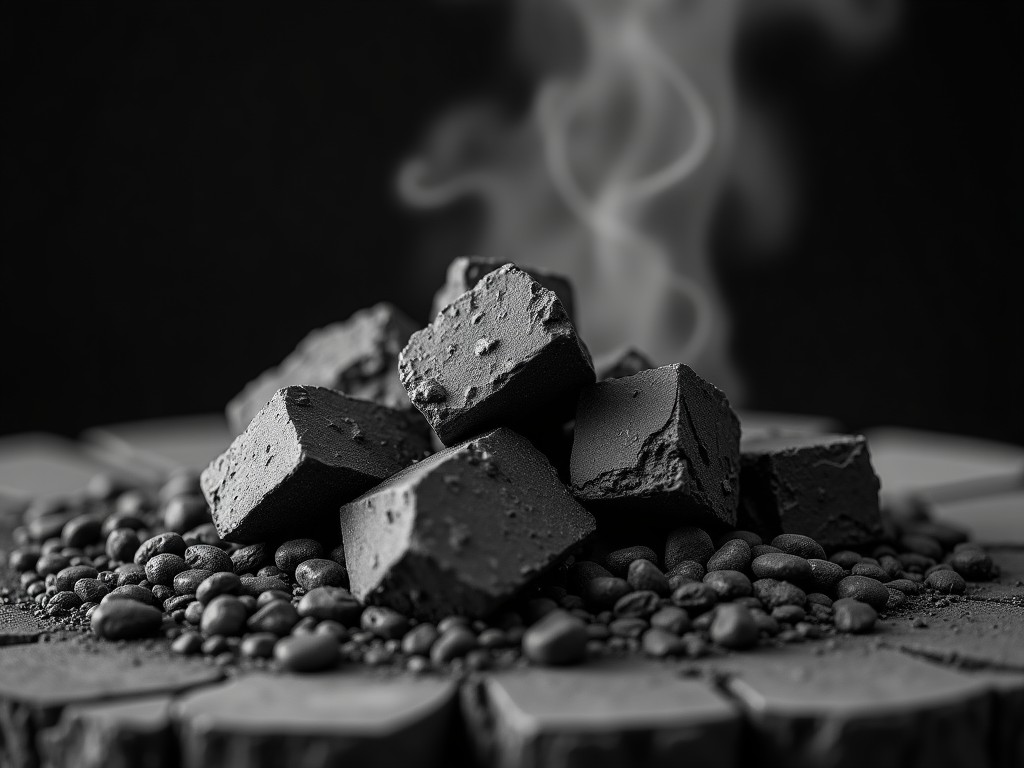
Factory Price Coke For Fire Pit
Factory Price Coke for Fire Pit Applications
Coke is a solid carbonaceous material derived from destructive distillation of coal or petroleum, valued for its high fixed carbon content and low volatile matter. When used in fire pits, it provides a steady, high‑temperature flame with minimal smoke and sparking, making it suitable for both recreational heating and cooking applications.
Technical Specifications
Typical proximate analysis and sizing parameters for coke intended for fire‑pit use are shown below. Values represent common ranges; actual figures can be adjusted according to feedstock and processing conditions.
| Parameter | Typical Value | Unit |
|---|---|---|
| Fixed Carbon | 80‑90 | % |
| Volatile Matter | 5‑10 | % |
| Ash Content | 5‑8 | % |
| Sulfur | 0.5‑1.0 | % |
| Moisture | <2 | % |
| Calorific Value | 28‑32 | MJ/kg |
| Nominal Size | 10‑50 | mm (screened) |
Performance Characteristics in Fire Pits
Due to its high fixed carbon and low volatile matter, coke burns with a steady flame that reaches temperatures of approximately 1,100 °C to 1,300 °C under forced draft. The low volatile fraction reduces visible smoke, while the consistent size distribution promotes even airflow and predictable burn rates.
Ash residue is typically granular and non‑clinkering, which simplifies cleanup and minimizes the risk of grate blockage in confined fire‑pit designs.
Applications and Suitability
Fire pits benefit from fuels that deliver high heat output with minimal maintenance. Coke’s low moisture content ensures easy ignition, and its high calorific value translates to longer burn times per kilogram compared with wood or charcoal.
The product is commonly used in residential outdoor fire pits, patio heating units, and portable cooking devices where consistent temperature control is desired.
- Residential steel or stone fire pits
- Commercial outdoor hospitality heating
- Portable camping stoves and grills
- Industrial brazing or torch applications requiring clean flame
Quality Control and Testing
Each batch undergoes proximate analysis according to ASTM D3172 (or equivalent) to verify fixed carbon, volatile matter, ash, and sulfur. Size distribution is checked by sieve analysis, and moisture content is measured by oven‑drying method.
Visual inspection ensures absence of foreign material, and the product is screened to remove fines that could impede airflow. Documentation of test results is provided with each shipment upon request.
These controls help maintain consistent performance and reduce the likelihood of unexpected variations in burn behavior.
Customization Options
Coke can be supplied in various size fractions to match the grate geometry of specific fire‑pit designs. Common options include 10‑20 mm, 20‑30 mm, and 30‑50 mm screened grades.
Moisture content can be controlled through drying or storage conditions, and packaging is available in 25 kg bags, 50 kg sacks, or bulk palletized loads.
For projects requiring specific sulfur or ash limits, feedstock selection and washing steps can be adjusted accordingly.
Frequently Asked Questions
Can the size be customized for my fire‑pit grate?
Yes, the coke is screened to customer‑specified dimensions; typical ranges are 10‑50 mm but tighter fractions can be arranged.
What information is needed for a quotation?
Required details include desired quantity, size fraction, packaging preference, delivery destination, and any special limits on sulfur or ash.
How is quality verified before shipment?
Each lot is sampled and tested for proximate analysis and size distribution; certificates of analysis are available upon request.
What packaging options are available?
Standard packaging includes 25 kg polyethylene bags, 50 kg woven polypropylene sacks, and bulk pallet loads with stretch‑film wrapping.
What is the typical lead time?
Lead time depends on order size and customization, generally ranging from 2 to 4 weeks for standard grades.
For technical data sheets, sample requests, or to discuss specific requirements, please contact our sales team.
Request a Quote
×