-
Call Now ! +86 18231158869
-
Email Now [email protected]

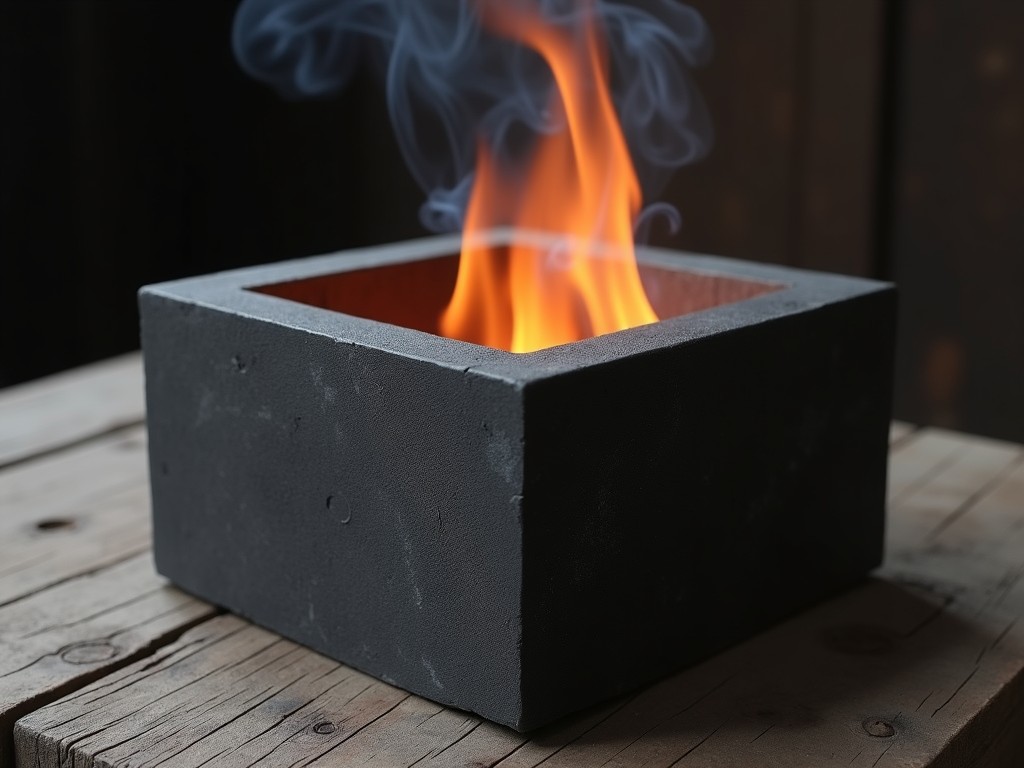
Factory Price Coke Forge Fire Pot
Factory Price Coke Forge Fire Pot
The coke forge fire pot serves as the primary combustion chamber in high-temperature thermal processing, designed to facilitate the controlled oxidation of coke. This vessel is engineered to convert chemical energy into radiant thermal energy, providing a stable heat environment for various industrial processes. By optimizing the internal geometry and air distribution patterns, the fire pot ensures complete combustion and minimizes unburnt carbon, maximizing the thermal efficiency of the entire system.
Industrial procurement of these units focuses on the balance between structural integrity and thermal-mass management. A well-designed fire pot must withstand continuous thermal cycling while maintaining the dimensional stability of its refractory lining and the protective outer shell.
Design and Engineering Specifications
The architecture of a coke forge fire pot dictates the gas residence time, which directly impacts the uniformity of heat output. Engineers specify specific cylindrical or conical profiles to prevent hot spots and ensure even thermal distribution across the workpiece. Airflow is managed through tuyeres or perforated plates, which allow for precise control over the oxygen-fuel ratio—essential for maintaining specific furnace temperatures.
| Specification | Typical Values / Customizable Range |
|---|---|
| Maximum Operating Temperature | 1200°C - 1600°C (depending on refractory type) |
| Outer Shell Material | Carbon Steel (Q235/ASTM A36) or Stainless Steel |
| Refractory Lining | High-alumina, Firebrick, or Castable Refractory |
| Air Supply Method | Natural or Forced (Blower) |
| Insulation Thickness | 100mm to 300mm (per project requirement) |
Material Selection for Thermal Resistance
Material selection is the most critical factor in the longevity of the fire pot. High-alumina bricks are often selected for their resistance to chemical attack and thermal shock, whereas castable refractories are utilized for complex geometries where monolithic construction is required. The outer shell must be constructed with sufficient thickness to prevent deformation under the high thermal stresses generated by the internal combustion process.
Thermal expansion gaps are managed through specific expansion joints and layers between the refractory and the steel shell. By utilizing a layered approach—combining high-density inner linings with low-density insulation layers—the outer surface temperature is kept within limits that prevent oxidation and structural degradation of the metal housing.
Industrial Applications and Thermal Efficiency
Coke forge fire pots are utilized across various sectors where high-heat-density combustion is required. In metal manufacturing, they provide the necessary heat for soaking steel billets or bars before forging. The glass industry relies on these pots as heat sources for melting and refining glass where consistent temperature profiles are vital for batch quality.
- Metal Heat Treatment: Providing uniform heating for annealing and tempering processes.
- Chemical Processing: Serving as thermal energy for exothermic reactions requiring high temperatures.
- Ceramics: Maintaining stable temperatures for kiln firing specialized clay products.
- Waste Heat Recovery: Integrated into heat exchangers in large-scale industrial energy systems.
Manufacturing and Quality Control Standards
Manufacturing begins with the precision cutting of the steel shell, followed by rigorous welding to ensure the internal geometry matches the engineering blueprints. Refractory installation is a critical phase; any gaps in the brickwork or air pockets in the castable can lead to premature failure through localized thermal stress. We employ standardized curing cycles for castable elements to ensure moisture is removed gradually without cracking the material.
Quality control protocols include dimensional inspections of the shell and structural integrity tests of the refractory lining. Non-destructive testing of welds is often performed where necessary to guarantee that the fire pot can withstand the mechanical pressures and thermal loads inherent in industrial operation.
Frequently Asked Questions
Can the dimensions of the fire pot be customized for specific furnace layouts?
Yes, dimensions are adjustable based on the thermal load requirements and the physical constraints of the client's existing infrastructure.
What refractory material is recommended for high-temperature applications?
High-alumina firebricks or specialized cast refractories are recommended for temperatures exceeding 1400°C to ensure structural stability and chemical resistance.
What is the typical lead time for custom orders?
Lead times typically vary from 4 to 8 weeks, depending on the complexity of the refractory design and the availability of specific material grades.
Interested in technical specifications or pricing for your project?
Contact our engineering team to discuss your specific requirements and receive a formal quotation.
Request Technical Quotation
×