-
Call Now ! +86 18231158869
-
Email Now [email protected]

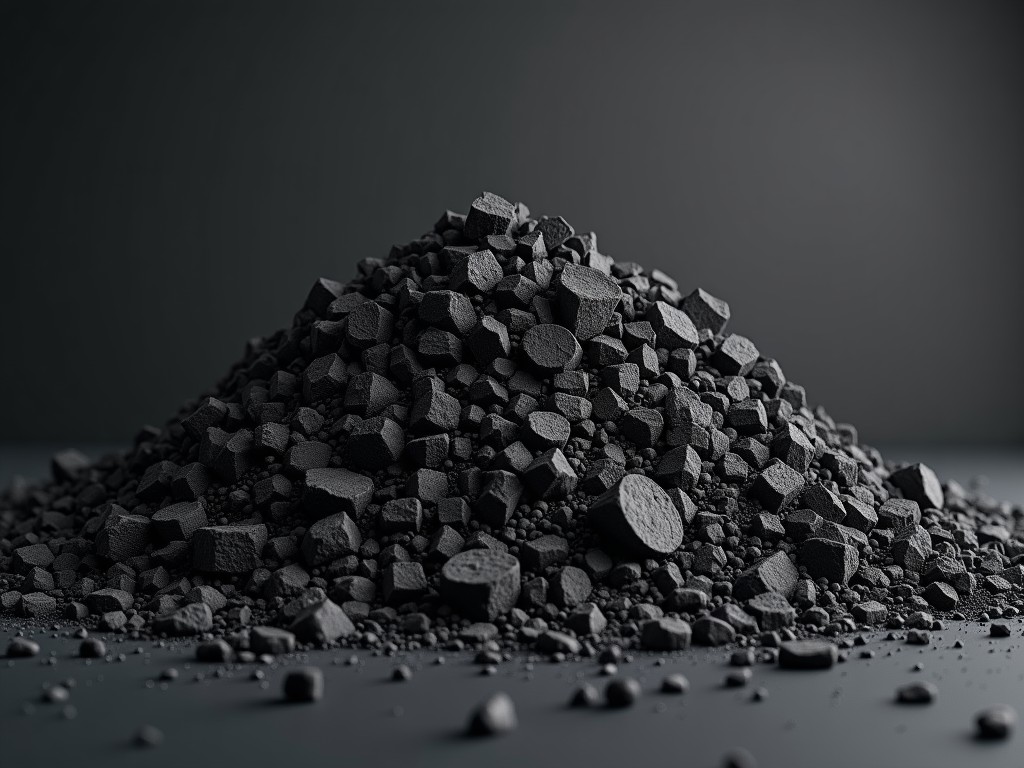
Factory Price Coking Coal In Steel Making
Factory Price Coking Coal for Steel Making
Coking coal is a specific grade of bituminous coal that, when heated in the absence of air, transforms into coke—a porous, high‑carbon material essential for blast furnace operation. Its suitability is judged by a set of chemical and physical properties that determine coke strength, reactivity, and the energy balance inside the furnace.
Key Technical Parameters
| Parameter | Typical Range |
|---|---|
| Total Moisture (as received) | 6 % – 10 % |
| Ash Content | 7 % – 12 % |
| Volatile Matter | 18 % – 28 % |
| Fixed Carbon | 55 % – 68 % |
| Total Sulphur | 0.5 % – 1.2 % |
| Phosphorus | 0.01 % – 0.08 % |
| Calorific Value (ADB) | 26 MJ/kg – 30 MJ/kg |
| Size Distribution (mm) | 0–50 mm (crushed) or 50–150 mm (lump) |
How Coal Properties Influence Coke Quality
The volatile matter content drives the development of the plastic layer during carbonization, which affects coke porosity and wall strength. Low ash and sulphur minimize slag formation and reduce refractory wear in the furnace. Fixed carbon directly contributes to the calorific value of the coke, influencing the reduction rate of iron ore. Phosphorus levels are critical because they can transfer to hot metal, affecting steel ductility.
Applications in Integrated Steel Plants
- Blast furnace burden: coke provides the structural support for the column of ore and limestone, allowing uniform gas flow.
- Fuel source: the combustion of coke supplies the heat required for endothermic reduction reactions.
- Carbon donor: coke supplies the carbon that reduces iron oxide to molten iron.
- Permeability regulator: coke size and porosity control the descent rate of the burden and the efficiency of gas utilization.
Quality Assurance and Testing
Each lot undergoes proximate analysis (moisture, ash, volatile matter, fixed carbon) and ultimate analysis (C, H, N, S, O) to verify compliance with contractual specifications. Petrographic examination determines the maceral composition, which correlates with coke strength after reaction (CSR). Gieseler plastometry measures the fluidity range, a predictor of coke wall development during carbonization. All tests follow ISO or ASTM standards, and certificates of analysis are provided with every shipment.
Packaging and Logistics
- Bulk vessel shipment: typical lot sizes range from 10,000 t to 60,000 t, loaded via conveyor or grab equipment.
- Rail transport: covered gondolas or hopper cars protect the coal from moisture ingress during inland movement.
- Moisture mitigation: optional tarping or hydrophobic additives are available upon request to limit surface water absorption.
- Documentation: each shipment includes a bill of lading, inspection certificate, and loading port draft survey.
Frequently Asked Questions
Can the coal size be customized for our coke oven battery?
Yes. Crushing to a specific top size (e.g., 0–30 mm) or supplying lump coal within a defined range can be arranged based on your plant’s preparation facilities.
What information is required before a quotation is issued?
We need the required annual volume, preferred size distribution, maximum allowable ash and sulphur levels, and the destination port for freight calculation.
How is the quality of each lot verified before shipment?
A third‑party inspector conducts sampling at the loading point, performs proximate and sulphur analysis, and issues a certificate that accompanies the cargo.
What is the typical production lead time?
Lead times vary from 2 to 6 weeks depending on the mine’s stock position and vessel scheduling; exact timing is confirmed at order placement.
Are there options for reducing moisture during transit?
Yes, we can apply a moisture‑resistant coating or provide covered barge/rail solutions to limit re‑wetting.
Next Steps
To receive a detailed quotation that includes price, freight, and technical data sheet, please contact our sales team.
Request a Quotation
×