-
Call Now ! +86 18231158869
-
Email Now [email protected]

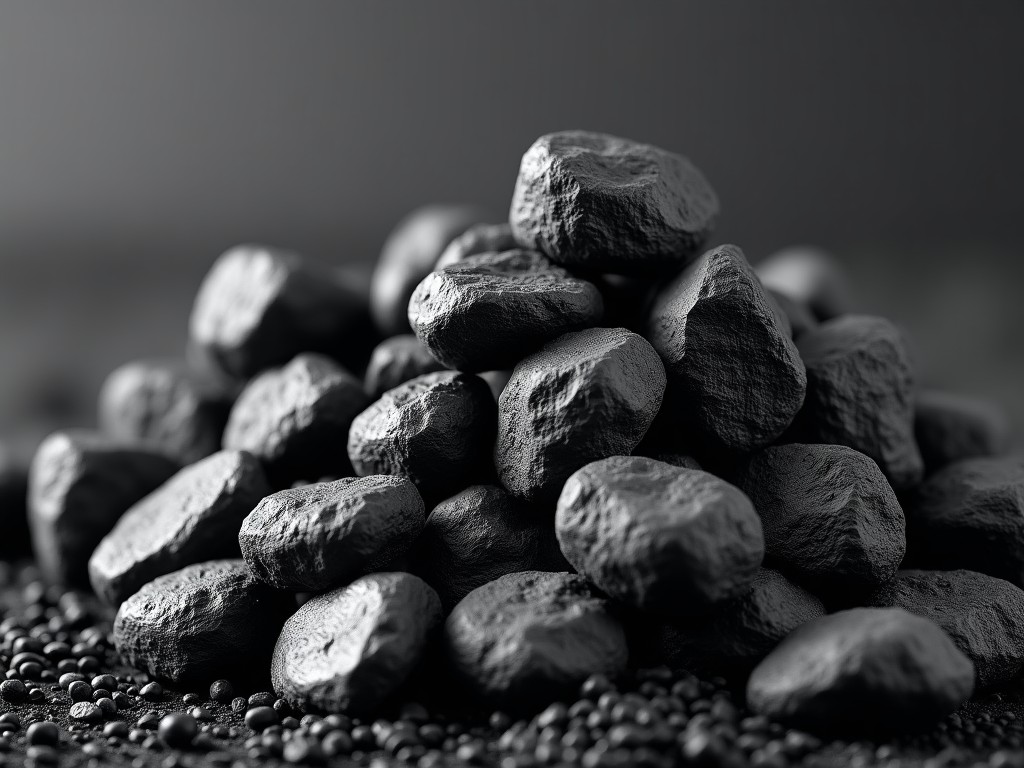
Factory Price Semi Soft Coking Coal Price
Factory Price Semi Soft Coking Coal
Semi soft coking coal occupies the middle ground between hard coking coal and semi‑soft or non‑coking coals. Its typical volatile matter content ranges from 18% to 24% and its plastometric fluidity allows it to deform under heat without excessive cracking.
Key Technical Parameters
| Parameter | Typical Range | Unit |
|---|---|---|
| Total Moisture | 6 – 9 | % |
| Ash Content | 7 – 12 | % |
| Volatile Matter | 18 – 24 | % |
| Fixed Carbon | 55 – 65 | % |
| Sulphur | 0.5 – 1.0 | % |
| Calorific Value (GCV) | 24 – 28 | MJ/kg |
The plasticity measured by the Gieseler plastometer typically falls between 300 and 800 ddpm, indicating sufficient fluidity to bind with harder coals during carbonisation. This range helps producers tune coke strength while controlling reactivity.
Typical Applications in Steel Making
Semi soft coking coal is rarely used alone; its value lies in blending. By adjusting the proportion in the coal charge, operators can modify the coke’s porous structure and mechanical robustness.
- Blending with hard coking coal to reduce overall brittleness of the coke matrix.
- Adjusting coke reactivity index (CRI) and coke strength after reaction (CSR) for specific blast furnace burdens.
- Providing a source of volatile matter that aids in the development of a uniform coke oven gas flow.
- Serving as an economically advantageous supplement when hard coking coal prices spike, without sacrificing coke quality beyond acceptable limits.
Quality Control and Testing
Each batch undergoes proximate analysis (moisture, ash, volatile matter, fixed carbon) and ultimate analysis (sulphur, phosphorus) according to ISO 1171 and ASTM D3172. Plastometric testing follows ISO 3340 to ensure the Gieseler fluidity remains within the agreed range.
Size distribution is monitored via sieving; the top size is typically kept below 50 mm to facilitate uniform charging, while the bottom size is limited to avoid excessive fines that could impede permeability.
Pricing and Delivery
The offered price is quoted ex‑works or FOB depending on the incoterm selected. Because semi soft coking coal price fluctuates with global coking coal indices, the quotation is based on the average of the Platts API 2 index for the preceding month, adjusted for ash and sulphur premiums/discounts.
Standard shipment sizes range from 5,000 t to 25,000 t per vessel, with bulk carriers of Panamax size being the most common. Smaller lots can be arranged via rail or truck for regional consumers.
Frequently Asked Questions
Can the coal be sized to customer specifications?
Yes. Crushing and screening can be performed to meet a top size of 25 mm, 38 mm or 50 mm as required, with corresponding adjustments to the fines content.
What information is needed for a firm quotation?
Please provide the desired quantity, delivery destination, preferred incoterm, and any specific limits on ash, sulphur or phosphorous. This enables us to calculate the exact price adjustment.
How is the quality verified before shipment?
A representative sample is taken from the loaded lot and tested for proximate and sulphur content. A certificate of analysis is issued alongside the bill of lading.
×