-
Call Now ! +86 18231158869
-
Email Now [email protected]

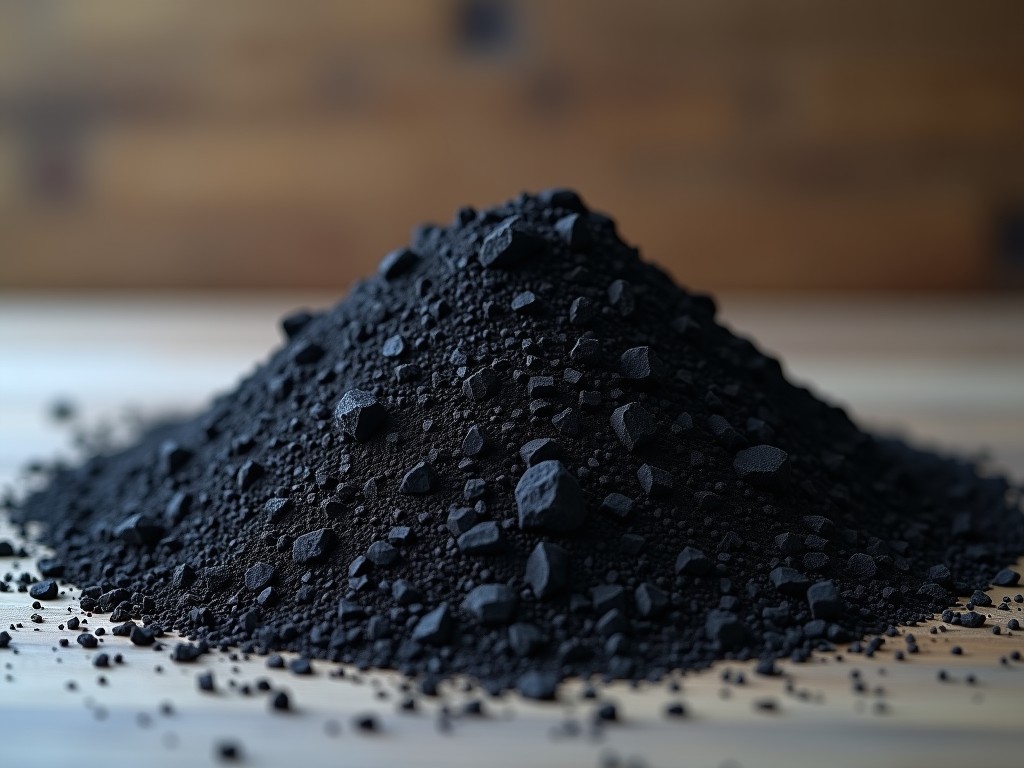
Factory Price Types Of Raw Petroleum Coke
Factory Price Types of Raw Petroleum Coke
Raw petroleum coke, commonly called petcoke, is the solid carbon residue left after cracking heavy hydrocarbon fractions in refinery coker units. Its composition and physical structure vary with the feedstock and coking process, giving rise to several distinct grades that serve different industrial purposes.
Primary Classification of Raw Petroleum Coke
The market groups raw petcoke mainly by its microstructure and chemical properties. Understanding these categories helps buyers match the material to specific downstream processes such as anode production, fuel blending, or electrode manufacturing.
- Green coke – freshly produced, high volatile matter (typically 8‑12 %), low density, requires calcination before most uses.
- Calcined coke – green coke heated to 1200‑1350 °C, volatile matter reduced to under 0.5 %, increased electrical conductivity.
- Needle coke – highly anisotropic structure, low sulfur (<0.5 %), low coefficient of thermal expansion, preferred for graphite electrodes.
- Sponge coke – irregular porous texture, moderate sulfur (1‑3 %), used mainly as a fuel in power generation.
- Shot coke – spherical or ellipsoidal particles, higher ash content, often blended for cement kiln feed.
Typical Property Ranges by Grade
| Property | Green Coke | Calcined Coke | Needle Coke | Sponge Coke |
|---|---|---|---|---|
| Fixed Carbon (% dry basis) | 80‑85 | 88‑92 | 90‑94 | 78‑82 |
| Volatile Matter (% dry basis) | 8‑12 | <0.5 | <0.2 | 3‑6 |
| Sulfur (% dry basis) | 2‑5 | 1.5‑4 | 0.2‑0.5 | 1‑3 |
| Ash (% dry basis) | 0.5‑1.5 | 0.3‑1 | 0.1‑0.3 | 2‑5 |
| Real Density (g/cm³) | 1.90‑2.00 | 2.05‑2.15 | 2.10‑2.20 | 1.85‑1.95 |
Industrial Applications and Rationale
Each petcoke grade finds use where its specific combination of carbon purity, electrical conductivity, thermal stability, and impurity profile delivers process efficiency.
- Anode Grade Calcined Coke – low metal content and high electrical conductivity make it suitable for prebaked anodes in aluminium smelting.
- Needle Coke for Electrodes – its needle‑like texture yields graphite with low coefficient of thermal extension, critical for ultra‑high‑power electrodes in electric arc furnaces.
- Fuel Grade Sponge and Shot Coke – higher volatile matter and moderate sulfur provide a cost‑effective solid fuel for cement kilns, power plants, and industrial boilers.
- Blending Stock – green coke can be blended with other solid fuels to adjust calorific value and ash content in multi‑fuel boilers.
Quality Control and Testing
Reliable procurement depends on consistent verification against recognized standards. Typical test methods include ASTM D3172 for proximate analysis, ASTM D4239 for sulfur, and ISO 1170 for real density.
Sampling follows ISO 3080: samples are taken from multiple points in a lot, combined, and reduced to a representative test specimen. Key parameters monitored per shipment are fixed carbon, volatile matter, sulfur, ash, moisture, and particle size distribution.
Customization Options
While standard grades cover most common needs, many processors require tailored specifications to match furnace conditions or downstream product targets.
- Particle Size – can be crushed and screened to ranges such as 0‑5 mm, 5‑10 mm, or custom fractions.
- Moisture Content – surface moisture reduced via drying to below 0.5 % for storage stability.
- Low‑Sulfur Grades – additional hydrotreating or blending to achieve sulfur under 0.3 % for specialty electrode markets.
- Metal Impurity Limits – tighter controls on Ni, V, Fe for anode grade to meet smelter specifications.
Packaging and Logistics
Raw petcoke is typically handled in bulk due to its density and abrasive nature. Proper packaging minimizes dust generation and protects against moisture ingress during transit.
- Bulk Vessel – loaded directly into ship holds or railcars with dust suppression systems.
- FIBC Bags – 1‑tonne polypropylene bags with inner liners for containerized shipments.
- Super Sacks – 500 kg to 1500 kg capacity, suitable for warehouse stacking.
Frequently Asked Questions
Can the sulfur content be reduced after purchase? Yes, post‑calcination desulfurization or blending with low‑sulfur coke can lower sulfur, but it adds processing cost.
What information is needed for an accurate quotation? Required details include desired grade, target sulfur and volatile matter ranges, required particle size, quantity, delivery incoterm, and any special certification needs.
How is quality verified before shipment? We provide a full test report based on ASTM methods, covering proximate analysis, sulfur, real density, and moisture, issued by an accredited laboratory.
What are the typical lead times? Standard grades usually ship within 2‑3 weeks after order confirmation; custom specifications may extend to 4‑6 weeks depending on processing requirements.
For technical data sheets, sample requests, or a detailed quotation matched to your process specifications, please reach out to our sales engineering team.
Submit Inquiry
×