-
Call Now ! +86 18231158869
-
Email Now [email protected]

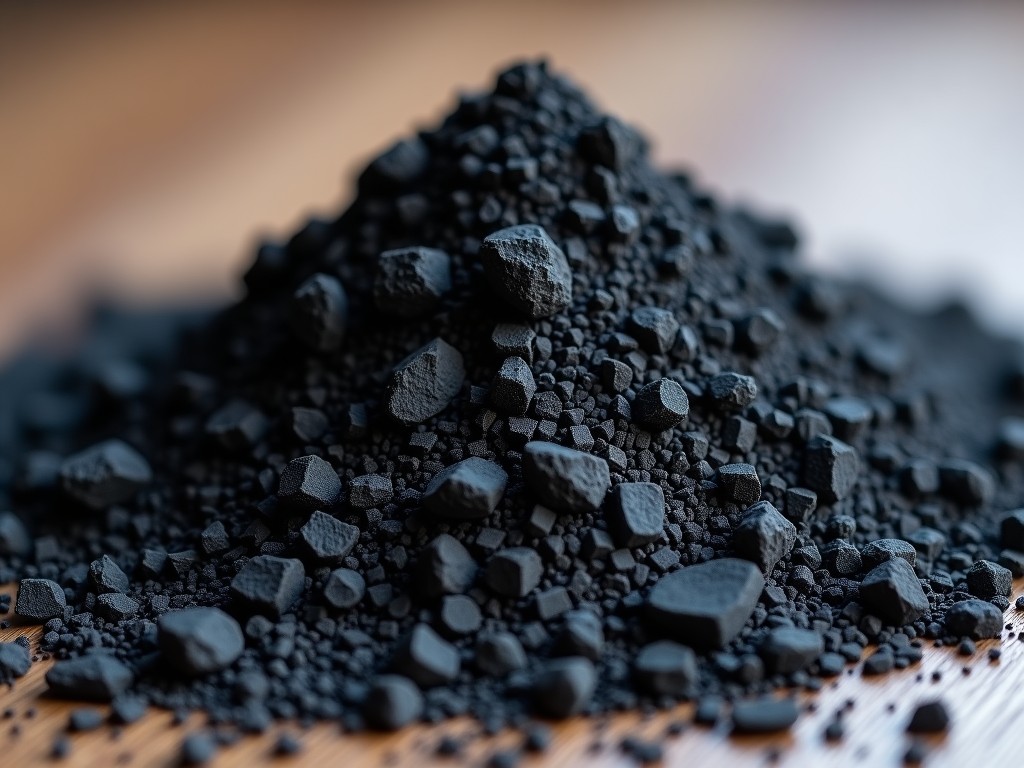
Oem Calcined Petroleum Coke Price Trend
OEM Calcined Petroleum Coke Price Trend
Calcined petroleum coke (CPC) is a carbon material produced by heating green petroleum coke to temperatures typically between 1200 °C and 1350 °C in a rotary kiln. The process drives off volatiles and moisture, increasing fixed carbon content and improving electrical conductivity. OEMs use CPC as a raw material for anodes in aluminum smelting, as a carburizer in steelmaking, and as a conductive filler in specialty electrodes.
Because the calcination step is energy‑intensive, the price of CPC tracks closely with the cost of feedstock green coke, natural gas or electricity used for kiln operation, and global demand for primary aluminum. Understanding these drivers helps procurement teams anticipate cost changes and negotiate long‑term supply agreements.
Historical Price Trend (2020‑2024)
| Year | Average Price (USD/ton) | Primary Driver |
|---|---|---|
| 2020 | 420 | Low aluminum output, reduced kiln utilization |
| 2021 | 560 | Post‑pandemic demand rebound, higher natural gas costs |
| 2022 | 610 | Supply constraints from refinery outages, rising electricity tariffs |
| 2023 | 580 | Partial recovery of green coke supply, moderate aluminum growth |
| 2024 | 605 | Steady aluminum production, incremental kiln efficiency gains |
Key Factors Influencing Price
Feedstock green coke price – directly proportional; a 10 % increase in green coke typically raises CPC price by 4‑6 %.
Energy cost for calcination – natural gas or electricity accounts for 30‑40 % of production cost; regional price swings affect margins.
Aluminum ingot demand – each 1 % change in global primary aluminum output shifts CPC demand by roughly 0.8‑1.0 %.
Transportation logistics – bulk shipping rates from major export hubs (US Gulf, Middle East, Asia) add 5‑15 % to delivered cost depending on route.
Environmental regulations – stricter emissions limits can necessitate kiln upgrades, increasing capital expenditure and per‑ton cost.
Price Forecast 2025‑2027
| Year | Projected Price Range (USD/ton) | Assumptions |
|---|---|---|
| 2025 | 620‑660 | Moderate aluminum growth (+2.5 % YoY), stable natural gas prices |
| 2026 | 640‑690 | Anticipated kiln efficiency improvements (+3 % energy savings), slight uptick in electricity cost |
| 2027 | 660‑720 | Continued demand from green aluminum projects, potential carbon‑border adjustment impacts |
Applications in OEM Industries
In aluminum smelting, CPC is blended with coal tar pitch to form anode blocks; the material’s low sulfur (<0.5 wt="">98.5 wt %) minimize anode gas evolution and improve cell efficiency. For steelmaking, CPC serves as a recarburizer where its low ash (<0.5 wt="">2.0 g/cm³) allow precise carbon adjustment without introducing detrimental impurities. In specialty electrodes, the material’s electrical resistivity (typically 45‑55 µΩ·m after graphitization) provides consistent performance in high‑current applications.
OEMs select CPC grades based on specific end‑use requirements: anode grade emphasizes low metal impurities (Ni, V, Fe < 50 ppm each), while carburizer grade tolerates slightly higher sulfur but demands tight control over volatile matter (<1.0 wt="">
Technical Specifications
| Property | Typical Value | Test Method |
|---|---|---|
| Fixed Carbon (wt %) | 98.5‑99.2 | ASTM D3172 |
| Sulfur (wt %) | 0.3‑0.5 | ASTM D4239 |
| Ash (wt %) | 0.2‑0.5 | ASTM D3174 |
| Volatile Matter (wt %) | 0.5‑1.0 | ASTM D3175 |
| Real Density (g/cm³) | 2.02‑2.08 | ASTM D4892 |
| Electrical Resistivity (µΩ·m) | 48‑52 (after graphitization) | ASTM D257 |
| Moisture (wt %) | <0.1<> | ASTM D2013 |
Quality Control & Testing
Each lot undergoes a standardized sampling plan per ISO 2859‑1, with composite samples collected from the top, middle, and bottom of the bulk container. Tests cover fixed carbon, sulfur, ash, volatile matter, real density, and metallic impurity content (Ni, V, Fe) using ICP‑OES. Results are compared against the product specification sheet; any deviation beyond the allowed tolerance triggers a hold and investigation of the kiln operating parameters or feedstock source.
In addition to routine chemical analysis, periodic physical checks include particle size distribution (laser diffraction) to ensure conformity with the agreed grading (e.g., 0‑5 mm for anode grade, 0‑20 mm for carburizer). This dimensional control minimizes segregation during transport and promotes consistent feeding into downstream processes.
Packaging & Logistics
Standard bulk packaging: 25‑metric‑tonne open‑top railcars or 30‑metric‑tonne bulk containers with waterproof liners.
Optional bagged packaging: 25 kg polypropylene bags placed on pallets, stretch‑wrapped for moisture protection.
Loading practices follow IMDG guidelines for carbonaceous materials; the product is non‑hazardous but kept away from sources of ignition.
Lead time from order confirmation to shipment typically ranges 3‑5 weeks, dependent on destination port and vessel availability.
Frequently Asked Questions
Can the sulfur content be customized for specific anode grades?
Yes, sulfur levels can be adjusted within the 0.2‑0.6 wt % range by selecting appropriate green coke feedstock and fine‑tuning kiln residence time. Customers requiring ultra‑low sulfur (<0.2 wt="">
What information is needed to obtain a firm price quotation?
To provide a binding quote we require: desired quantity (metric tonnes), delivery incoterm (e.g., FOB, CIF), preferred packaging (bulk or bagged), target sulfur and ash specifications, and required delivery window. Providing the end‑use (anode, carburizer, electrode) helps us recommend the most suitable grade.
How is product quality verified before shipment?
Pre‑shipment verification includes a full certificate of analysis (CoA) covering all specification parameters, a copy of the kiln operating log for the production batch, and, upon request, a third‑party inspection report from agencies such as SGS or Bureau Veritas.
For detailed technical data sheets, sample requests, or to discuss a supply agreement tailored to your OEM needs, please reach out to our sales engineering team.
Request a Quote


×