-
Call Now ! +86 18231158869
-
Email Now [email protected]

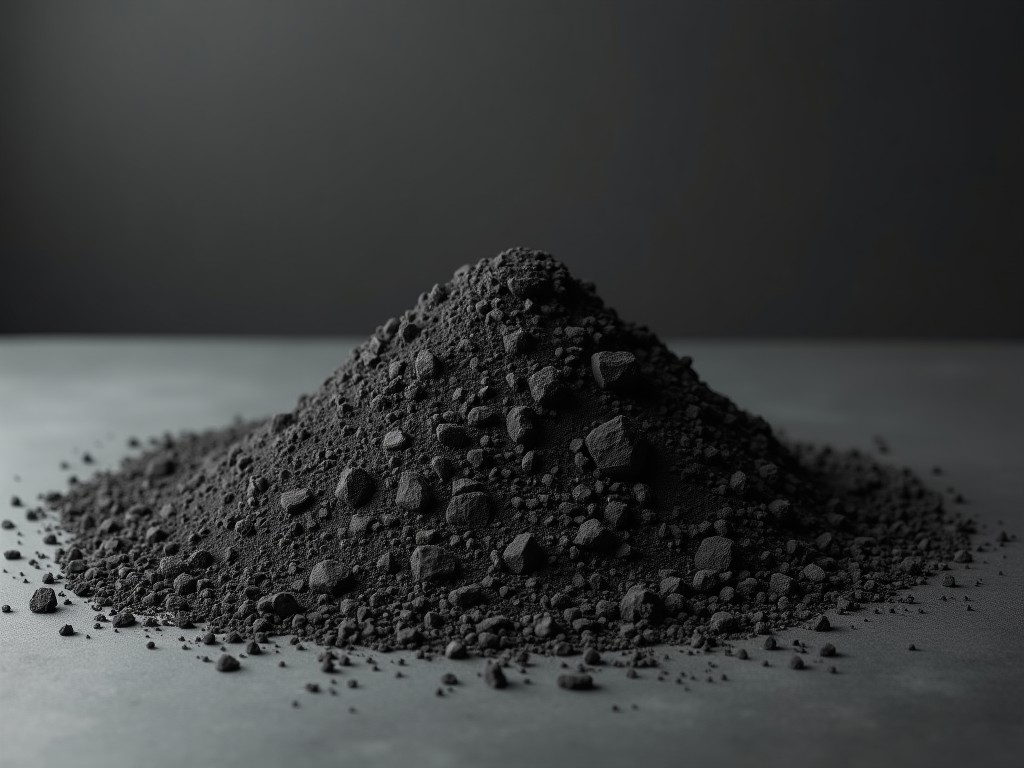
OEM Foundry Coke Coal Suppliers And Price
OEM Foundry Coke Suppliers and Price
Foundry coke serves as the primary fuel and carbon source in cupola furnaces and other iron‑melting systems. Its chemical composition directly influences melt temperature, slag formation, and the final metallurgical quality of castings. Understanding the specifications that affect performance helps buyers reduce uncertainty when evaluating suppliers and negotiating price.
Technical Specifications
Key parameters that foundries monitor include fixed carbon content, ash, volatile matter, sulphur, and size distribution. These values determine combustion efficiency, heat release, and the likelihood of furnace lining erosion. Suppliers typically provide certificates of analysis that report each parameter on a dry‑basis.
| Parameter | Typical Range | Relevance to Foundry Operation |
|---|---|---|
| Fixed Carbon (% dry basis) | 85 – 92 | Higher fixed carbon yields greater heat output per kilogram. |
| Ash (% dry basis) | 4 – 9 | Excess ash increases slag volume and can accelerate refractory wear. |
| Volatile Matter (% dry basis) | 1 – 4 | Low volatiles reduce furnace emissions and promote stable combustion. |
| Sulphur (% dry basis) | 0.5 – 1.2 | Sulphur influences iron desulphurization and can affect casting soundness. |
| Top Size (mm) | 50 – 150 | Uniform sizing ensures consistent bed permeability in the cupola. |
Applications in Foundry Processes
In a cupola furnace, coke forms the combustible bed that supports the charge of iron scrap, limestone, and alloying elements. The combustion of coke supplies the sensible heat needed to melt the metal while the rising gases create a reducing atmosphere that minimizes oxidation of the iron. Proper coke selection therefore impacts melt rate, energy consumption, and the chemical cleanliness of the molten metal.
Iron melting in hot‑blast cupolas – primary fuel source.
Small‑scale induction furnace backing – supplemental carbon addition.
Core making and mold drying – provides low‑volatile heat.
Pricing Factors and Typical Ranges
Price is driven by several measurable variables: fixed carbon and ash levels, sulphur content, size consistency, and order volume. Market fluctuations in coal pricing and transportation costs also affect the final quote. Suppliers usually quote on a per‑metric‑ton basis, with discounts applied for larger truckloads or container loads.
| Order Quantity (metric tons) | Typical Price Range (USD/ton) | Notes |
|---|---|---|
| 1 – 10 | 210 – 260 | Small lot, higher per‑unit handling cost. |
| 11 – 50 | 190 – 230 | Standard truckload pricing. |
| 51 – 200 | 170 – 205 | Volume discount applicable. |
| >200 | 155 – 185 | Contract or dedicated shipments. |
Quality Control and Testing
Reliable suppliers implement a multi‑stage verification protocol. Raw material is sampled at the mine or preparation plant, then tested for proximate analysis (fixed carbon, ash, volatiles, sulphur) using standardized ASTM methods. Size distribution is verified via sieve analysis, and moisture content is measured to ensure compliance with dry‑basis specifications. Each batch is accompanied by a test certificate that reports the actual values against the agreed limits.
Customization Options
Foundries often require specific size cuts or packaging to match their handling equipment. Suppliers can adjust the crushing and screening process to produce narrower size fractions, such as 30‑80 mm for smaller cupolas or 100‑180 mm for large blast furnaces. Packaging choices include bulk loose in open‑top hoppers, 25 kg valve‑sealed bags for additive dosing, or 1‑tonne super‑sacks for containerized shipment.
Size fractions tailored to furnace throat dimensions.
Moisture‑controlled drying for long‑term storage.
Bagged or super‑sack formats for precise dosing.
Frequently Asked Questions
Can dimensions be customized? Yes, size distribution can be adjusted according to the furnace charge‑hole diameter and desired permeability.
What information is required before quotation? Buyers should provide target fixed carbon, ash, sulphur limits, required size range, estimated monthly volume, and delivery destination.
How is quality inspected? Each lot undergoes proximate analysis and sieve testing; results are documented in a certificate of analysis.
What packaging methods are available? Options include bulk loose, 25 kg valve bags, and 1‑tonne super‑sacks, all sealed to prevent moisture ingress.
What is the typical production lead time? Lead times range from 2 to 4 weeks for standard grades, with longer periods for custom size fractions or dedicated logistics.
Next Steps
To obtain a formal quote that reflects your specific technical requirements and volume expectations, please provide the details outlined above. Our technical team will review the specifications and return a detailed proposal including price, delivery schedule, and compliance documentation.
Request a Quote


×