-
Call Now ! +86 18231158869
-
Email Now [email protected]

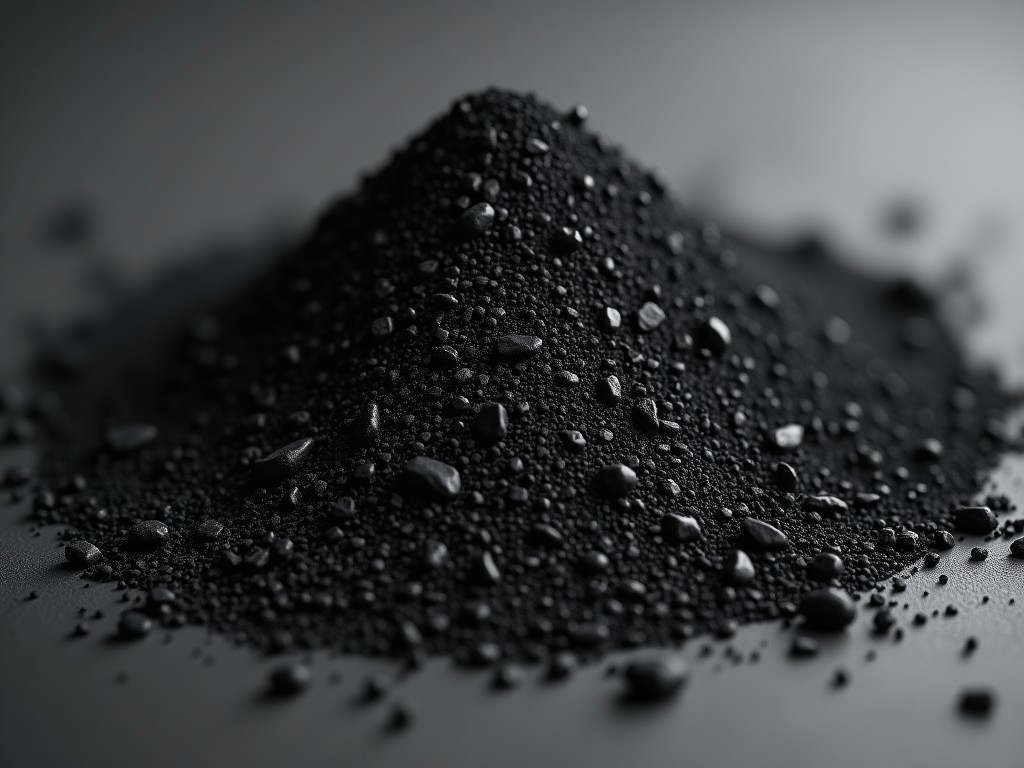
Oem Purest Form Of Carbon Coke
OEM Purest Form of Carbon Coke
Carbon coke is a solid carbonaceous material derived from destructive distillation of low‑ash, low‑sulphur bituminous coal. The OEM grade supplied here is processed to maximize fixed carbon while minimizing volatile matter and ash, targeting applications that require consistent electrical conductivity and high thermal stability.
Typical Chemical Composition
The product is characterized by a fixed carbon content typically ranging from 88 % to 92 % on a dry basis. Volatile matter is kept below 1.5 %, ash content under 8 %, and sulphur under 0.5 %. Moisture after final drying is maintained under 0.5 % to prevent handling issues.
| Parameter | Typical Range (dry basis) |
|---|---|
| Fixed Carbon | 88 % – 92 % |
| Volatile Matter | ≤ 1.5 % |
| Ash | ≤ 8 % |
| Sulphur | ≤ 0.5 % |
| Moisture | ≤ 0.5 % |
Physical Characteristics
The coke is supplied in screened lumps with a nominal top size of 50 mm and a bottom size of 5 mm. The bulk density typically falls between 0.45 t/m³ and 0.55 t/m³, depending on the exact size distribution and moisture content. Porosity is measured by mercury intrusion and generally shows a pore volume of 0.08 cm³/g, providing sufficient reactivity for reducing environments while maintaining mechanical strength.
The Hardgrove Grindability Index (HGI) for this grade is usually below 35, indicating a relatively hard material that resists pulverization during transport and handling. This property reduces fines generation and improves batch consistency in downstream processes.
Primary Industrial Applications
In the production of silicon carbide, the high fixed carbon and low ash content of this coke serve as a reliable carbon source, minimizing slag formation and allowing tighter control over stoichiometry. The consistent particle size distribution supports uniform reaction kinetics in electric arc furnaces.
For the manufacture of graphite electrodes, the low sulphur and volatile matter levels reduce gas evolution during graphitization, leading to fewer defects and improved electrical conductivity of the final product. The material’s mechanical strength prevents electrode breakage during machining.
In the chemical industry, particularly for the production of calcium carbide, the coke’s low moisture and high carbon purity facilitate efficient acetylene yield while limiting unwanted by‑products such as phosphates and sulfides that can poison catalysts.
Manufacturing Considerations
The raw coal is first crushed to a controlled top size before undergoing coking in a series of sealed ovens. The heating schedule is optimized to drive off volatiles while preserving the carbon skeleton, with final temperatures held between 1000 °C and 1100 °C for a defined soak period. Quenching is performed with inert gas to avoid oxidation and to lock in the desired porous structure.
After coking, the product is screened to the required size fractions and passed through magnetic separators to remove tramp iron. Final drying is carried out in a low‑humidity rotary dryer to achieve the target moisture level. Throughout the line, inline analyzers monitor fixed carbon and sulphur to ensure batch‑to‑batch conformity.
Quality Assurance & Testing
Each lot is sampled according to ISO 17225‑1 standards. Proximate analysis (fixed carbon, volatile matter, ash, moisture) is performed by thermogravimetric analysis. Ultimate analysis for sulphur and nitrogen uses combustion‑infrared methods. Size distribution is verified by sieve analysis, and bulk density is measured in accordance with ASTM D291.
Mechanical strength is assessed via the drum index test (ASTM D5515) to confirm resistance to abrasion. Results are recorded in a traceable batch record, and a certificate of analysis is provided with every shipment. Non‑conforming material is quarantined and investigated per corrective action procedures.
Customization Options
Size grading can be adjusted to meet specific furnace charging requirements, with options for finer fractions (e.g., 0–5 mm) for briquetting or coarser fractions (up to 75 mm) for lump coke applications. Moisture content can be tightened to below 0.2 % upon request for processes sensitive to hydrogen pickup.
Additional treatments such as calcination at 1300 °C to further reduce volatile matter or impregnation with catalytic promoters are available as value‑added services. Lead times for customized lots typically range from 4 to 6 weeks, depending on the complexity of the specification.
Packaging & Logistics
The coke is packaged in multi‑wall polypropylene bags with a polyethylene inner liner, each bag holding 25 kg net weight. Bags are stacked on pallets and secured with stretch film to protect against moisture ingress during transit. For bulk shipments, the product can be loaded directly into covered rail gondolas or containerized in 20‑ft dry containers with desiccant packs.
All packaging materials comply with ISPM‑15 standards for international shipments. Markings include batch number, net weight, and applicable hazard symbols (none for this inert material). Documentation such as the material safety data sheet (MSDS) and certificate of origin accompanies each consignment.
Frequently Asked Questions
Can the fixed carbon be guaranteed above a specific threshold?
Yes, fixed carbon can be guaranteed at 90 % minimum on a dry basis, with tighter guarantees available upon request.What information is required to receive a quotation?
Required details include desired size range, target fixed carbon or ash limits, quantity, delivery destination, and any special packaging or documentation needs.Are there options for low‑sulphur grades?
Sulphur levels below 0.3 % can be provided by selecting specific coal feeds and adjusting the coking cycle; this is treated as a custom specification.How is the product quality verified before shipment?
Each lot undergoes full proximate and ultimate analysis, size distribution, bulk density, and drum index testing; results are summarized in the certificate of analysis.What are the typical lead times for standard versus custom orders?
Standard inventory items ship within 5‑7 working days after order confirmation. Customized specifications (size, moisture, additives) generally require 4‑6 weeks for production and testing.
Contact for Technical Inquiry
To discuss specific requirements, request a sample, or obtain a detailed quotation, please reach out to our technical sales team. Provide your application parameters, desired quantities, and any required certifications so we can tailor a solution that meets your performance and supply chain needs.


×