-
Call Now ! +86 18231158869
-
Email Now [email protected]

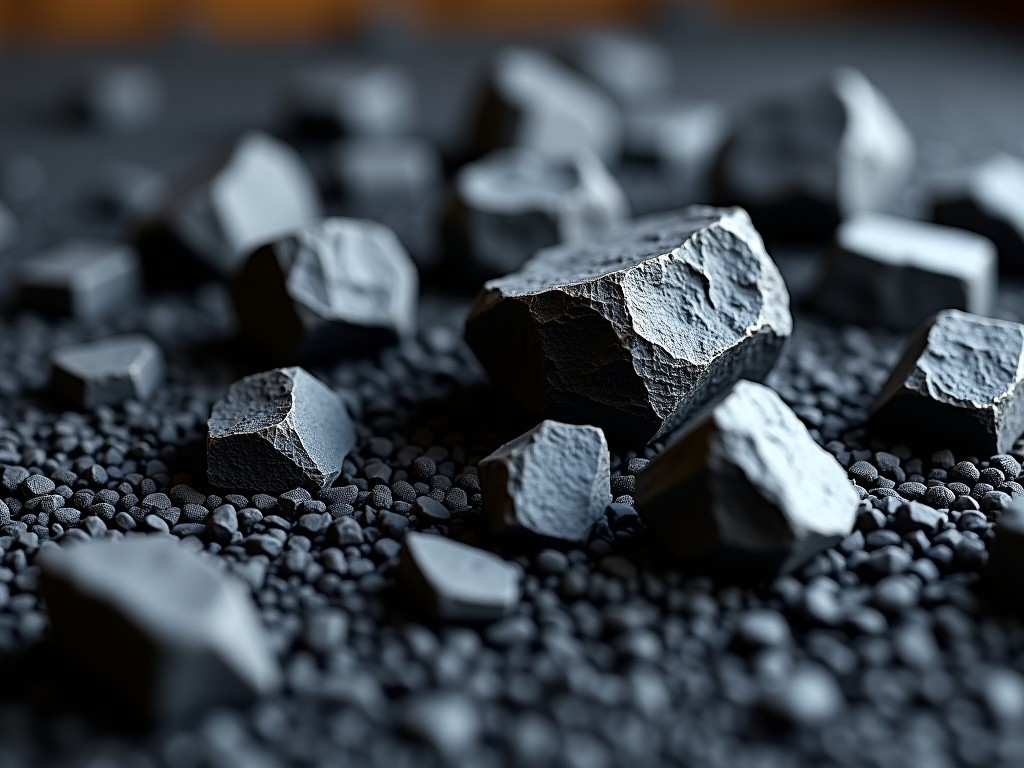
Thermal Coal And Metallurgical Coking Coal
Thermal Coal and Metallurgical Coking Coal
Thermal coal and metallurgical coking coal are two distinct grades of coal differentiated by their chemical composition, physical properties, and end‑use applications. Understanding these differences enables procurement professionals to select the appropriate material for power generation, steelmaking, or other industrial processes while minimizing operational risk.
Coal Classification and Composition
Thermal coal, also called steam coal, is characterized by moderate calorific value, higher volatile matter, and relatively low ash content compared with lower‑rank coals. Metallurgical coking coal, or metallurgical coal, possesses specific caking properties that allow it to be transformed into coke through a controlled heating process; this requires low ash, low sulphur, and a particular volatile matter range that supports the formation of a strong, porous coke matrix.
The key compositional differences are summarized in the table below, which lists typical values for each parameter. Actual values vary by seam and can be adjusted through blending or washing to meet project‑specific specifications.
| Property | Thermal Coal (Typical) | Metallurgical Coking Coal (Typical) |
|---|---|---|
| Calorific Value (MJ/kg) | 24‑28 | 28‑32 |
| Ash Content (%) | 6‑12 | 4‑8 |
| Volatile Matter (%) | 20‑35 | 15‑25 |
| Fixed Carbon (%) | 45‑55 | 55‑65 |
| Sulphur (%) | 0.5‑1.2 | 0.4‑0.8 |
| Moisture (% as received) | 8‑15 | 6‑10 |
Production and Processing
Thermal coal is typically extracted via surface or underground mining, then subjected to crushing, screening, and washing to reduce ash and moisture before shipment to power plants or cement kilns. Metallurgical coking coal undergoes a more rigorous preparation sequence that includes heavy‑media washing to achieve stringent ash and sulphur limits, followed by size classification to ensure uniform coke oven feed.
Both grades may be blended from multiple seams to harmonize calorific value, volatile matter, and ash characteristics, thereby providing a consistent product that meets the tight specifications required by downstream processes.
Industrial Applications
Thermal coal’s primary value lies in its ability to release heat efficiently during combustion, making it the fuel of choice for electricity generation in pulverized coal boilers and for providing thermal energy in cement clinker production. Its relatively high volatile matter promotes stable flame propagation and reduces the need for auxiliary fuels.
Metallurgical coking coal is essential for steelmaking because it yields coke with the necessary mechanical strength and porosity to support the blast furnace burden, facilitate gas permeability, and act as both a fuel and a reducing agent. The coke’s low reactivity minimizes excessive consumption of limestone and maintains furnace temperature stability.
Power generation – baseload and peak‑load units
Cement and lime kilns – direct firing or precalciner fuel
Industrial boilers – process heating and steam production
Steel production – coke oven feed for blast furnaces
Foundry cupolas – alternative fuel for iron melting
Quality Assurance and Testing
Quality control for both coal types relies on standardized proximate and ultimate analysis. Proximate testing determines moisture, ash, volatile matter, and fixed carbon, while ultimate analysis quantifies carbon, hydrogen, nitrogen, sulphur, and oxygen content. Additional assessments such as Hardgrove Grindability Index (HGI) for thermal coal and Coke Strength after Reaction (CSR) for coking coal provide insight into handling characteristics and furnace performance.
Sampling follows ISO or ASTM protocols, with samples collected from multiple points along the supply chain to ensure representativeness. Test results are documented in material data sheets that accompany each lot, enabling buyers to verify compliance with contractual specifications before acceptance.
Customization Options
Suppliers can tailor several attributes to match specific process requirements. Size distribution can be adjusted through screening to produce fines‑free lump coal for coke ovens or finely ground powder for pulverized coal burners. Moisture content can be reduced via drying technologies to improve heating value and mitigate handling issues. Sulphur levels may be lowered through selective washing or blending with low‑sulphur streams to meet environmental regulations.
Additional customizations include the addition of anti‑caking agents for storage stability, or the incorporation of specific grindability modifiers to optimize mill throughput. All modifications are subject to feasibility studies and are implemented only when they do not compromise the core quality parameters required for the intended application.
Frequently Asked Questions
Q: Can the coal be supplied in custom size fractions?
A: Yes, size grading can be adjusted according to customer specifications, ranging from run‑of‑mine to narrowly screened fractions suitable for specific combustion or coking equipment.
A: Yes, size grading can be adjusted according to customer specifications, ranging from run‑of‑mine to narrowly screened fractions suitable for specific combustion or coking equipment.
Q: What information is required to obtain a quotation?
A: Buyers should provide the intended application, required calorific value range, maximum allowable ash and sulphur, moisture limits, preferred size distribution, and estimated annual volume.
A: Buyers should provide the intended application, required calorific value range, maximum allowable ash and sulphur, moisture limits, preferred size distribution, and estimated annual volume.
Q: How is quality verified before shipment?
A: Each lot undergoes third‑party inspection, with test reports for proximate and ultimate analysis, HGI or CSR as applicable, and a certificate of conformity accompanying the dispatch documents.
A: Each lot undergoes third‑party inspection, with test reports for proximate and ultimate analysis, HGI or CSR as applicable, and a certificate of conformity accompanying the dispatch documents.
Q: What packaging and shipping options are available?
A: Bulk shipments are standard, typically via rail gondolas or ocean bulk carriers. For specialized requirements, bagged or containerized options can be arranged upon request.
A: Bulk shipments are standard, typically via rail gondolas or ocean bulk carriers. For specialized requirements, bagged or containerized options can be arranged upon request.
Request a Technical Quotation
To discuss your specific coal grade requirements, obtain detailed specifications, or arrange a sample evaluation, please contact our technical sales team.


×