-
Call Now ! +86 18231158869
-
Email Now [email protected]

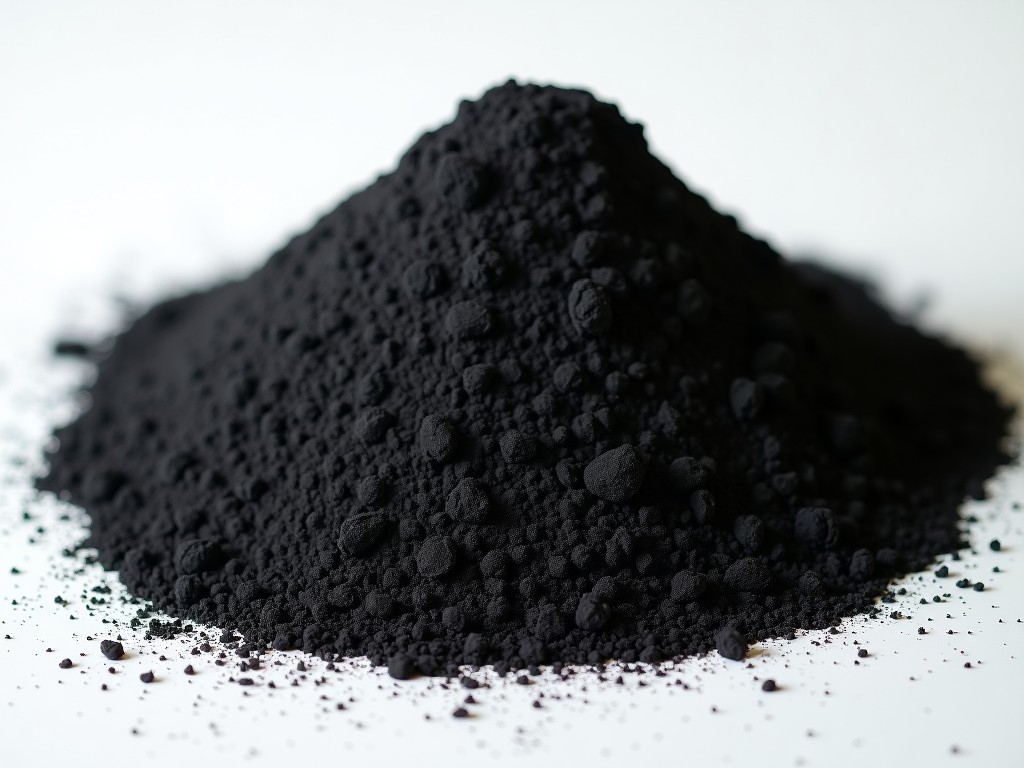
Wholesale Calcined Petroleum Coke Suppliers
Wholesale Calcined Petroleum Coke Suppliers
Calcined petroleum coke (CPC) is a critical industrial material derived through the thermal treatment of green petroleum coke in an oxygen-free atmosphere. This pyrolysis process effectively removes volatile components, such as hydrogen and nitrogen, leaving behind a highly carbonized mineral stable structure. For large-scale procurement, understanding the relationship between the raw feedstock and the final calcined product is essential for ensuring performance stability in high-temperature manufacturing environments.
The calcination process typically occurs at temperatures ranging from 1,100°C to 1,300°C. By controlling these thermal gradients, manufacturers can manipulate the material's porosity and density to meet specific requirements for aluminum smelting or graphite electrode production. Wholesale-grade CPC is categorized by its fixed carbon content and sulfur levels, which are the primary drivers of industrial efficiency.
Technical Specifications and Material Properties
| Property | Typical Value (Standard) | High-Grade Range |
|---|---|---|
| Carbon Content | 85% - 92% | 94% - 98% |
| Sulfur Content | 1.0% - 3.0% | < 0.5% |
| Fixed Carbon | > 80% | > 90% |
| Ash Content | < 5% | < 2% |
| Volatile Matter | < 10% | < 5% |
Industrial Applications
In the aluminum industry, CPC serves as the primary component in the manufacturing of sacrificial anodes. Low-sulfur variants are vital here because high sulfur levels can interfere with the electrolyte bath, leading to "anode effects" which significantly increase energy consumption and disrupt production stability. By utilizing low-sulfur calcined coke, smelters ensure a more consistent electrolytic process.
The steel industry utilizes calcined petroleum coke for graphite electrodes used in electric arc furnaces (EAF). The high fixed carbon and mechanical strength of the material allow the electrodes to withstand extreme thermal stresses during the melting process. The particle size distribution of the coke is also critical here, as it ensures uniform mixing with pitch binders during the electrode molding phase.
Quality Control and Sourcing
Reliable supply depends on rigorous testing protocols at the calcination stage. Quality teams utilize thermogravimetric analysis (TGA) to determine the temperature at which volatiles are released, ensuring the product has been fully treated. Furthermore, chemical analysis is performed to verify that trace metals and sulfur levels remain within the tolerances required by the downstream application.
Consistency in grain size is also maintained through automated sieve analysis. Variations in particle size can lead to inconsistent density in the final molded product, potentially resulting in structural failures during operation. Suppliers who provide detailed COAs for each batch allow procurement engineers to adjust their own manufacturing parameters accordingly.
Logistics and Packaging Options
Bulk Shipment: Ideal for high-volume industrial plants utilizing dedicated unloading infrastructure to minimize per-unit costs.
Big Bags (FIBC): 1-ton reinforced bags with moisture-resistant liners for easier storage and handling in limited space facilities.
Custom Bagging: Available for smaller-scale operations or specialized blending where precise dosing is required upon arrival.
Frequently Asked Questions
Can sulfur levels be customized for specific aluminum smelting needs?
Yes, sulfur content is primarily determined by the initial green coke feedstock source. We can source and process specific low-sulfur grades to meet the technical requirements of sensitive electrolytic processes.
What is the typical production lead time for bulk orders?
Lead times vary based on current inventory levels and the volume of the order. Typically, wholesale orders are processed within 3 to 6 weeks from confirmation.
How is the material protected during ocean transport?
Bulk shipments are loaded into moisture-protected vessels, while bagged orders utilize heavy-duty polyethylene liners to prevent moisture absorption during transit.
Are you looking for specific technical data or a bulk quote for calcined petroleum coke?
Request a Technical Consultation


×