-
Call Now ! +86 18231158869
-
Email Now [email protected]

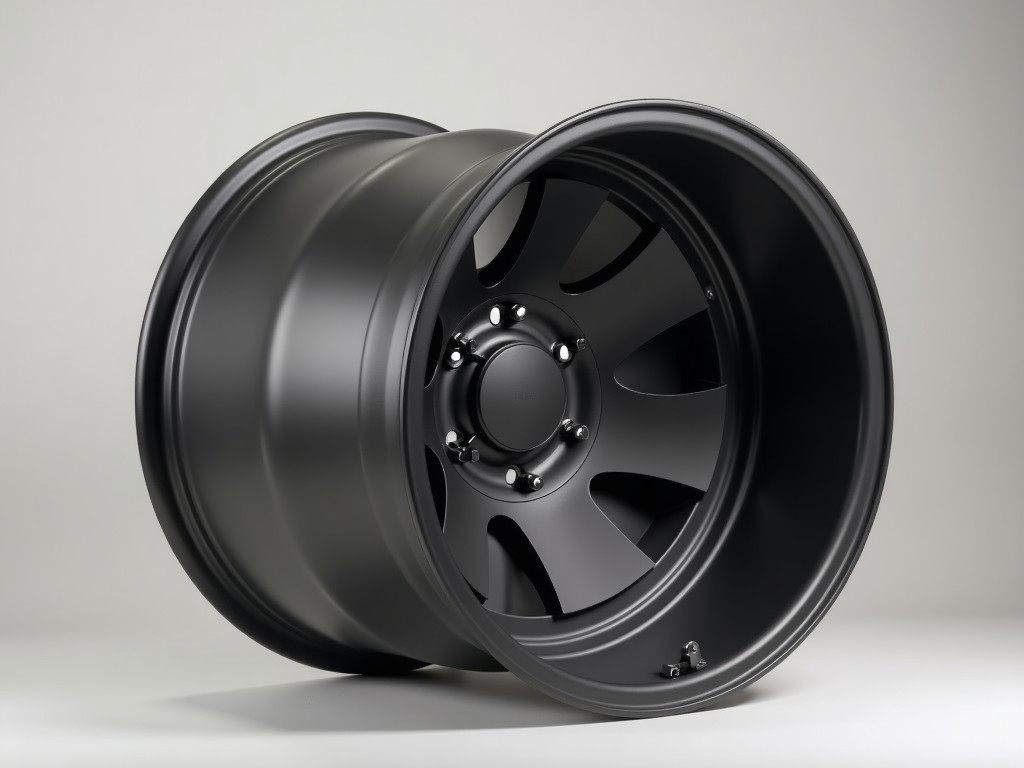
B2B Graphite Metallic Powder Coat
Graphite Metallic Powder Coat Technical Specifications and Applications
Graphite metallic powder coating is a functional finish engineered by integrating conductive graphite flakes within a high-performance polymer resin matrix. Unlike standard decorative metallic finishes, this coating is formulated for industrial components requiring electromagnetic interference (EMI) shielding, radio frequency interference (RFI) protection, or thermal management. By leveraging the inherent conductivity of graphite, the coating provides a conductive surface while maintaining the structural integrity and environmental resistance of the underlying substrate.
The performance of the coating depends heavily on the concentration and orientation of the graphite particles during the curing process. High-grade formulations utilize synthetic flake-shaped graphite to ensure that the particles align parallel to the substrate, creating a continuous path for electrical current and heat transfer. Depending on the application, the resin carrier may range from industrial epoxies for superior chemical and impact resistance to polyester-polyesters for outdoor environments requiring UV stability and mechanical flexibility.
Technical Composition and Performance Characteristics
Engineers must select a graphite coating based on the specific resistivity and thermal conductivity requirements of the project. Smaller particle sizes offer a smoother surface finish and better adhesion on complex geometries, whereas larger flakes can enhance the electrical conductivity. The interface between the graphite and the resin is critical; proper chemical bonding prevents delamination under thermal stress or mechanical abrasion.
| Property | Typical Value | Test Method |
|---|---|---|
| Electrical Resistance | 10⁻² to 10² ohms/sq | ASTM D2573 |
| Thermal Conductivity | 0.5 - 5.0 W/m·K | ASTM E1461 |
| Shore Hardness | 60 - 80 Shore D | ASTM D2240 |
| Coating Thickness | 40 - 120 microns | ASTM D7028 |
| Adhesion | 4B - 5B Cross | ASTM D3359 |
Industrial Applications
Graphite metallic coatings are utilized in sectors where standard finishes are insufficient to meet functional demands. The ability to provide shielding while protecting the substrate makes them versatile in harsh environments.
Electronics and Telecommunications: Used for equipment enclosures and housings to provide RFI/EMI shielding, protecting sensitive circuitry from external interference.
Aerospace and Defense: Applied to heat sinks and structural components where high thermal dissipation is required without adding heavy metallic weights.
Automotive Engineering: Provides a corrosionresistant barrier for underbody components and battery housings while offering a metallic aesthetic for visible-facing parts.
Industrial Machinery: Utilized on grounding plates and control panels to ensure static electricity dissipation in sensitive manufacturing environments.
Customization and Process Options
To meet specific engineering parameters, the formulation can be adjusted in several ways. We vary the graphite-to-resin ratio to target specific electrical resistance levels. Additionally, the base resin can be tinted to match specific RAL colors without compromising the conductive properties of the graphite.
Surface preparation is vital for achieving maximum conductivity. Proper sandblasting or chemical etching ensures a mechanical bond that anchors the graphite flakes, maintaining conductivity across the entire surface area. For high-precision applications, specialized curing cycles are implemented to ensure maximum cross-linking density of the polymer matrix.
Frequently Asked Questions
Can the conductivity be adjusted for specific shielding requirements?
Yes, by adjusting the loading of graphite and the particle size distribution, we can tailor the electrical resistance to meet specific decibel attenuation specifications.
Is the coating compatible with standard electrostatic spray equipment?
The graphite powder is designed for use with standard electrostatic powder coating systems, though specific voltage settings may be required depending on particle load.
What information is required before a quotation?
To provide an accurate quote, we require the substrate material, required coating thickness, target electrical resistance values, and the expected environmental exposure conditions.
Need technical consultation for your next project? Contact our engineering team to discuss your specific graphite metallic powder coating requirements.
Request Technical Data and Quote


×