-
Call Now ! +86 18231158869
-
Email Now [email protected]

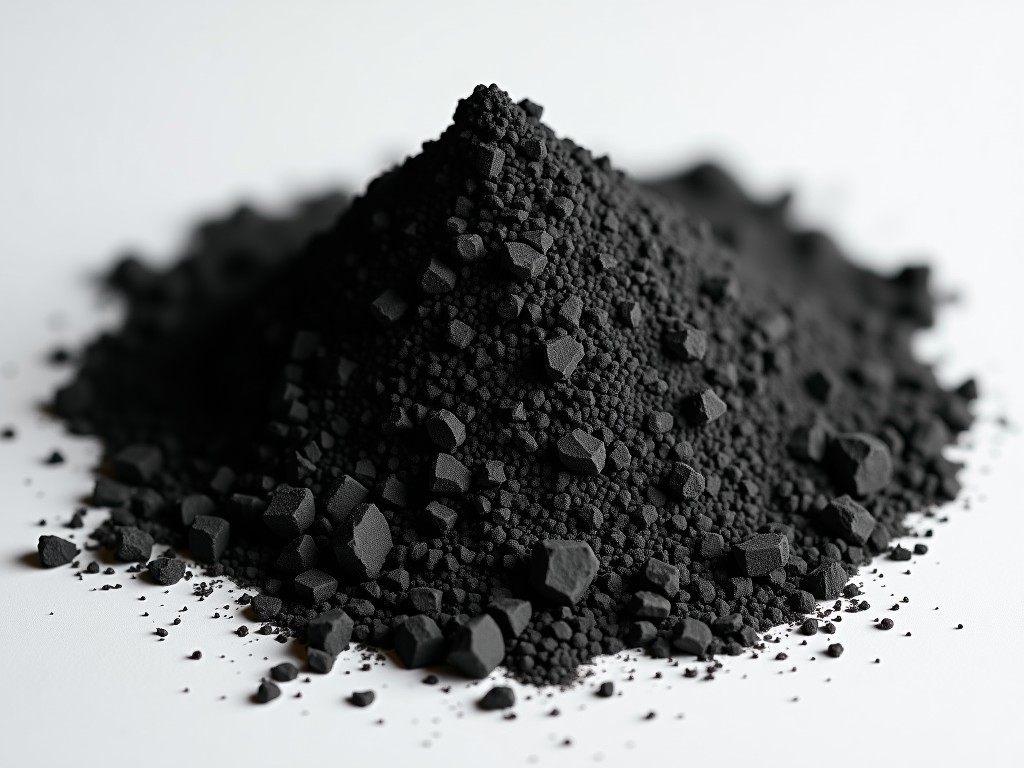
B2B Synthetic Graphite Powder Price Per Ton
Synthetic Graphite Powder Price per Ton: Technical Drivers and Market Variables
The cost of synthetic graphite powder per ton is primarily determined by the energy-intensive graphitization process. Unlike natural graphite, which is extracted from mineral deposits, synthetic graphite is manufactured from precursors such as petroleum coke or coal pitch. These materials undergo thermal treatment at temperatures typically ranging between 2500°C and 3000°C to transform amorphous carbon into a highly crystalline graphite structure. This structural transformation results in a material with higher purity, superior thermal conductivity, and predictable mechanical properties compared to its natural counterparts.
Procurement engineers must evaluate price fluctuations based on specific technical requirements rather than commodity averages alone. A variance in carbon purity or particle size distribution can significantly shift the-per-ton cost due to the complexity of the required purification and milling stages.
Key Factors Influencing Unit Pricing
Purity levels and ash content represent the most significant cost drivers in synthetic production. High-purity grades, often exceeding 99.9% carbon, require specialized chemical leaching to remove trace metallic impurities like silicon, aluminum, and iron. These processes increase manufacturing time and reagent consumption, directly impacting the final market price.
Particle Size Distribution (PSD): Fine-micron powders (sub-5 micron) require intensive jet milling and precise classification, which commands a higher price per ton compared to coarse-grade powders.
Morphology: Spherical particles, often required for lubricant applications to ensure flowability, involve specialized granulation techniques that are more costly than standard flake-like structures.
Graphitization Temperature: Higher furnace temperatures increase the crystal size (L_c distance), improving thermal performance but also increasing industrial energy consumption costs.
Surface Treatment: Specific surface coatings or functionalization to improve bonding with polymer matrices or metal alloys add additional processing steps to the production line.
Technical Specifications Comparison
The table below outlines the typical performance characteristics across different synthetic graphite grades. Values may vary based on the specific precursor material and manufacturing parameters selected.
| Property | Standard Industrial Grade | Ultra-High Purity (UHP) |
|---|---|---|
| Carbon Purity (%) | 98.0% - 99.5% | 99.9% - 99.999% |
| Ash Content (%) | < 0.5% | < 0.001% |
| Thermal Conductivity (W/m·K) | 50 - 150 | 200 - 800+ |
| Electrical Resist (Ω·cm) | 10 - 100 | < 5 |
Application-Specific Value
Selecting the right grade depends heavily on the end-use environment. In steelmaking, synthetic graphite is utilized as a carbon reductizer where bulk volume and cost efficiency are prioritized. However, in the semiconductor and aerospace industries, the focus shifts to extreme purity to prevent metallic contamination of sensitive components.
Thermal management systems utilize synthetic graphite powder in lithium-ion battery electrodes and composites to ensure uniform heat dissipation. For these applications, the higher price per ton is justified by the material's ability to maintain thermal stability under high cyclic stress conditions.
Procurement and Logistics Considerations
Volume-based procurement typically offers significant price reductions. Large-scale orders handled via Flexible Intermediate Bulk Containers (FIBCs) reduce the packaging cost per unit compared to standard 25kg multi-layer bags.
Logistics costs also play a role in the final landed cost. Synthetic graphite powder is sensitive to moisture and requires specialized protective packaging to prevent clumping or oxidative degradation during international transit.
Frequently Asked Questions
How does particle size affect the price?
Finer particle sizes require more energy and higher-precision milling equipment, which increases the manufacturing cost per ton relative to coarser grades.
What is the typical lead time for a 10-ton order?
Standard grades usually range from 4 to 8 weeks, depending on current inventory levels and the specific requirements for custom graphitization cycles.
What information is required before a formal quotation?
Buyers should provide the required carbon purity, specific particle size distribution (D50/D90), desired morphology, and the destination port for shipping calculations.
Request a technical data sheet or bulk pricing quote
Contact our engineering sales team to discuss your specific graphite requirements and receive customized pricing structures.
Inquire Now


×