-
Call Now ! +86 18231158869
-
Email Now [email protected]

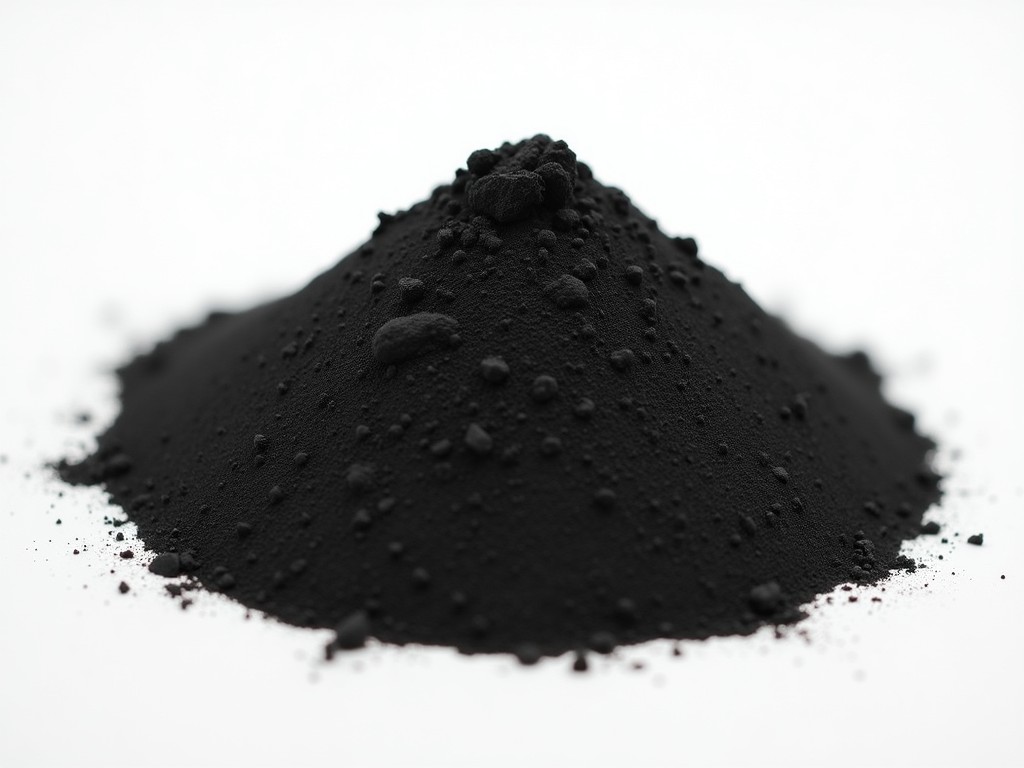
Buy 5 Micron Amorphous Graphite Powder
Buy 5 Micron Amorphous Graphite Powder
Amorphous graphite is technically defined by its disordered carbon-atomic structure, which distinguishes it from the highly ordered hexagonal lattice found in natural or synthetic crystalline graphite. At a 5-micron particle specification, this material offers a high surface-area-to-volume ratio, making it ideal for high-performance thermal and electrically conductive fillers in industrial matrices. The lack of long-range crystalline order results in unique chemical reactivity and expansion properties that are often superior to crystalline counterparts.
Procuring a 5-micron grade requires understanding the balance between maximizing surface area for bonding and maintaining processability. While sub-micron powders offer higher activity, the 5-micron range typically reduces the viscosity increases in polymer-based composites, ensuring better structural integrity in the final component.
Technical Specifications
| Property | Typical Value / Specification |
|---|---|
| Chemical Purity (Carbon) | ≥ 99.5% |
| Median Particle Size (D50) | 5.0 μm |
| Bulk Density | 1.8 - 2.2 g/cm³ |
| Thermal Conductivity | 20-60 W/mK (Bulk) |
| Ash Content | lt 0.1% |
Industrial Applications
The 5-micron amorphous graphite is primarily utilized in sectors where precise thermal management is required without compromising mechanical flexibility. Because the particles are amorphous, they provide a different mechanical interface with resins and elastomers compared to flake-like crystalline graphite.
Thermal Interface Materials (TIMs): Used as a filler in conductive pastes and pads to dissipate heat from electronic components to heat sinks.
Conductive Additives: Facilitates electrostatic discharge in anti-static plastic housings used in sensitive electronics manufacturing environments.
Advanced Lubricants: Integrated into high-temperature greases where non-abrasive properties are critical to prevent mechanical wear.
Battery Electrodes: Employed in specialized formulations for anode coatings to improve structural stability during charge-discharge cycles.
Manufacturing and Quality Control
Achieving a consistent 5-micron particle size requires rigorous jet milling or controlled pulverization techniques. These processes ensure that the particle size distribution remains narrow, which is vital for predicting the behavior of the material in a composite blend.
Quality assurance is maintained through laser diffraction analysis to verify the D50 and D90 values. Furthermore, thermogravimetric analysis (TGA) is used to confirm purity levels and ensure that no metallic or organic impurities will interfere with the electrical conductivity of the final application.
Frequently Asked Questions
Can the particle size be customized beyond 5 microns?
Yes, while 5 microns is a standard specification, milling parameters can be adjusted to slightly shift the median diameter based on specific rheological requirements of your manufacturing process.
What are the typical packaging options for bulk orders?
Industrial orders are typically shipped in 25kg anti-static bags or moisture-barrier fiber drums to prevent moisture absorption and maintain material integrity during transit.
How is the quality verified for each batch?
Each batch is accompanied by a Certificate of Analysis (COA) detailing purity, particle size distribution, and thermal conductivity results obtained from standardized testing.
For technical data sheets, safety data sheets, or to request a quote for 5 micron amorphous graphite powder, please contact our engineering sales team.
Inquire Technical Specifications


×