-
Call Now ! +86 18231158869
-
Email Now [email protected]

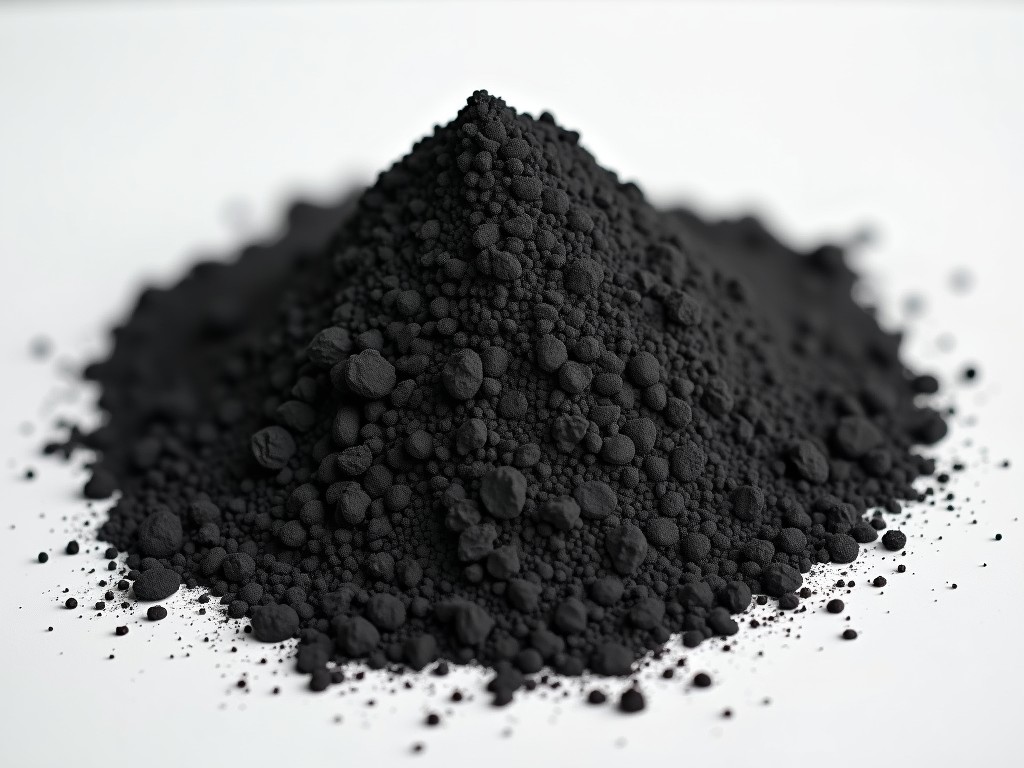
Buy Door Lock Graphite Powder
High-Purity Graphite Powder for Precision Lock Lubrication
Maintaining mechanical integrity in security locks requires a lubricant that minimizes friction without accumulating environmental debris. While liquid-based lubricants often attract atmospheric dust and particulate, leading to eventual mechanical failure, graphite powder provides a dry-lubrication alternative. This particulate lubricant ensures that internal components remain mobile over thousands of cycles without the viscous buildup associated with oils or greases.
The efficacy of industrial graphite stems from its unique hexagonal crystalline structure. Carbon atoms are bonded in strong planar layers held together by weak van der Waals forces, allowing these layers to slide over one another with minimal resistance. This molecular property results in an exceptionally low coefficient of friction, making it ideal for high-tolerance mechanisms where precision is critical.
Technical Properties and Material Characteristics
Industrial-grade graphite used for locks is typically graded by particle size to ensure deep penetration into tight cylinder chambers. A micrometer-sized powder allows the lubricant to reach the furthest points of pin-tumbler mechanisms and mortise locks. Furthermore, graphite is chemically inert and does not react with common metal alloys like brass, steel, or aluminum frequently found in lock hardware.
Low Friction Coefficient: Typically ranges from 0.1 to 0.2 in dry conditions.
Thermal Stability: Remains effective in temperatures up to 450°C, preventing degradation in extreme outdoor environments.
Non-Ahesive: Does not attract dirt, sand, or moisture upon application.
Electrical Insulating: Safe for use in electronic deadbolts with integrated contact components.
Comparative Analysis of Lubrication Methods
Selecting the correct lubricant depends on the operating environment and the specific lock architecture. While petroleum oils may provide immediate slickness, they often fail long-term in outdoor security applications due to particulate contamination.
| Lubricant Type | Friction Level | Debris Resistance | Primary Use |
|---|---|---|---|
| Graphite Powder | Very Low | Excellent | Outdoor locks, Cylinders |
| Silicone Grease | Low | Moderate | Indoor hinges, Slides |
| Mineral Oil | Medium | Poor | Light indoor mechanisms |
Industrial Applications
Graphite powder is utilized across various security sectors where mechanical reliability is paramount. In pin-tumbler cylinders, the powder ensures the driver pins and key pins move across the shear line without binding, which prevents the risk of stuck keys in cold or humid conditions.
Commercial-grade mortise locks and deadbolt systems also benefit from graphite to handle high-torque requirements. Because graphite does not evaporate like light oils, the lubricating properties remain active for years, reducing the interval between scheduled maintenance checks for facility managers.
Frequently Asked Questions
How should graphite powder be applied to a lock?
For optimal results, apply a small amount of powder to the key or directly into the keyway. Insert and remove the key several times to distribute the particles evenly across the internal pins and springs.
Does graphite interfere with electronic components?
No, graphite is a non-conductive material, making it safe for use in smart locks that feature motorized actuators or electronic sensors without the risk of causing short circuits.
Is particle size significant for lock performance?
Yes, finer mesh sizes ensure the powder penetrates the tightest tolerances of high-security cylinders. Coarser particles may cause mechanical interference if-applied in excessive quantities.
Are you looking for high-purity graphite powder for OEM manufacturing or large-scale maintenance contracts? We provide technical data sheets and bulk pricing for industrial requirements.
Request Technical Specifications and Bulk Quote


×