-
Call Now ! +86 18231158869
-
Email Now [email protected]

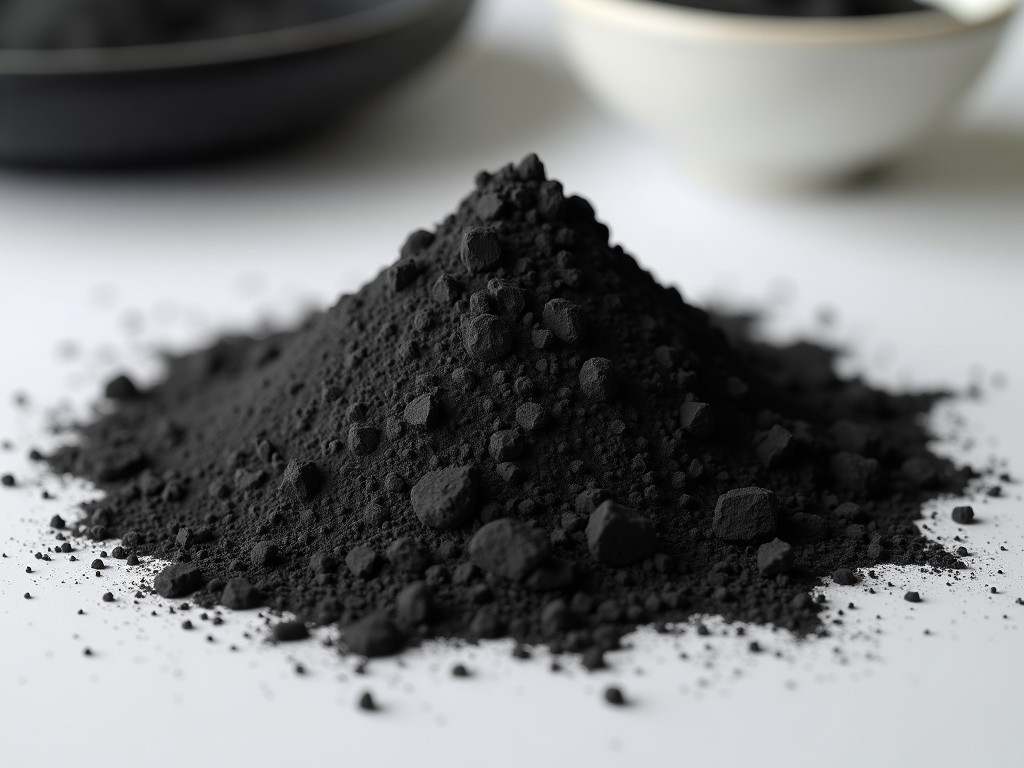
Buy Sealing Ultra Fine Graphite Powder
Buy Sealing Ultra Fine Graphite Powder
Ultra-fine graphite powder serves as a critical component in high-performance sealing applications where traditional materials fail under extreme thermomechanical stress. Unlike standard industrial grades, ultra-fine variants are typically engineered in the sub-micron range, allowing for superior integration into polymer matrices, elastomers, and metallic coatings. This microscopic particle size ensures the elimination of voids within the sealing medium, effectively mitigating leakage paths in systems subjected to high pressures and fluctuating thermal environments.
The efficacy of graphite in sealing depends on its hexagonal crystalline structure, which provides inherent lubricity and chemical inertness. When processed into an ultra-fine powder, the surface area-to-volume ratio increases significantly, enhancing the chemical bonding with base materials. This interaction is vital for maintaining the structural integrity of gaskets and O that undergo repeated thermal cycling or degradation from aggressive chemical exposure.
Technical Properties and Material Characteristics
Engineers select ultra-fine graphite based on specific thermal stability and electrical conductivity requirements. The material maintains its structural properties up to 450°C in oxidizing atmospheres, and significantly higher in inert environments, making it indispensable for aerospace gaskets. Furthermore, the low coefficient of friction reduces wear-induced heat generation in mechanical sealing interfaces, preventing localized hot spots that could lead to premature material failure.
Particle size distribution (PSD) is the most critical metric for procurement managers and engineers. A narrow PSD ensures uniform dispersion during the manufacturing process, preventing the formation of agglomerates that act as stress concentrators. By controlling the morphology of the powder, manufacturers can tune the gas-permeability resistance and thermal expansion coefficient of the final sealing component.
| Property | Typical Values / Specifications |
|---|---|
| Particle Size (D50) | 0.5 – 5.0 microns |
| Carbon Purity (C) | ≥ 99.5% |
| Bulk Density | 0.4 – 0.8 g/cm³ |
| Thermal Conductivity | 100 – 150 W/m·K |
| Chemical Resistance | Inert to most acids, bases, and solvents |
Industrial Application Logic
In the chemical processing industry, ultra-fine graphite is integrated into composite gaskets to resist highly corrosive media. The graphite particles act as a barrier, preventing the penetration of corrosive fluids through the polymer matrix. Because the powder is ultra-fine, the resulting seal material remains flexible enough to conform to flange irregularities while maintaining a leak-tight molecular bond.
Aerospace Engineering: Used in high-temperature seals for engine components where weight reduction and thermal shock resistance are paramount.
Automotive Systems: Utilized in specialized gaskets and turbocharger seals to reduce friction and withstand high operating temperatures.
Electronics Manufacturing: Applied in thermal interface materials and conductive pastes to dissipate heat while providing moisture-resistant properties.
Quality Control and Inspection Protocols
Quality assurance for graphite powder involves rigorous analytical testing to ensure consistency across different batches. Laser diffraction analysis is employed to map the particle size distribution, ensuring the powder meets the required micron-specification. Scanning Electron Microscopy (SEM) is used to inspect particle morphology and confirm the absence of large flakes or impurities that could compromise the sealing performance.
Purity levels are verified through Inductively Coupled Plasma (ICP) spectroscopy to detect trace metallic elements that might affect the electrical conductivity or chemical stability of the material. These technical benchmarks provide the necessary data to reduce the risk of material failure in field-critical industrial applications.
Frequently Asked Questions
Can the particle size be customized for specific resin formulas?
Yes, particle size distribution can be tailored to meet specific D50 requirements to ensure optimal compatibility with your specific polymer or elastomer base.
What are the packaging options for bulk orders?
Ultra-fine graphite is typically packed in anti-static vacuum bags to prevent oxidation and moisture absorption, which are then placed in reinforced fiber drums for export.
What is the typical production lead time for industrial quantities?
Standard stock items usually ship within 1-2 weeks, while customized particle specifications may require additional processing time based on current milling capacity.
Selecting the correct grade of graphite requires a detailed technical understanding of your sealing environment. Our engineering team is available to provide data sheets and technical consultation for your specific requirements.
Request a Technical Quotation and Consultation


×