-
Call Now ! +86 18231158869
-
Email Now [email protected]

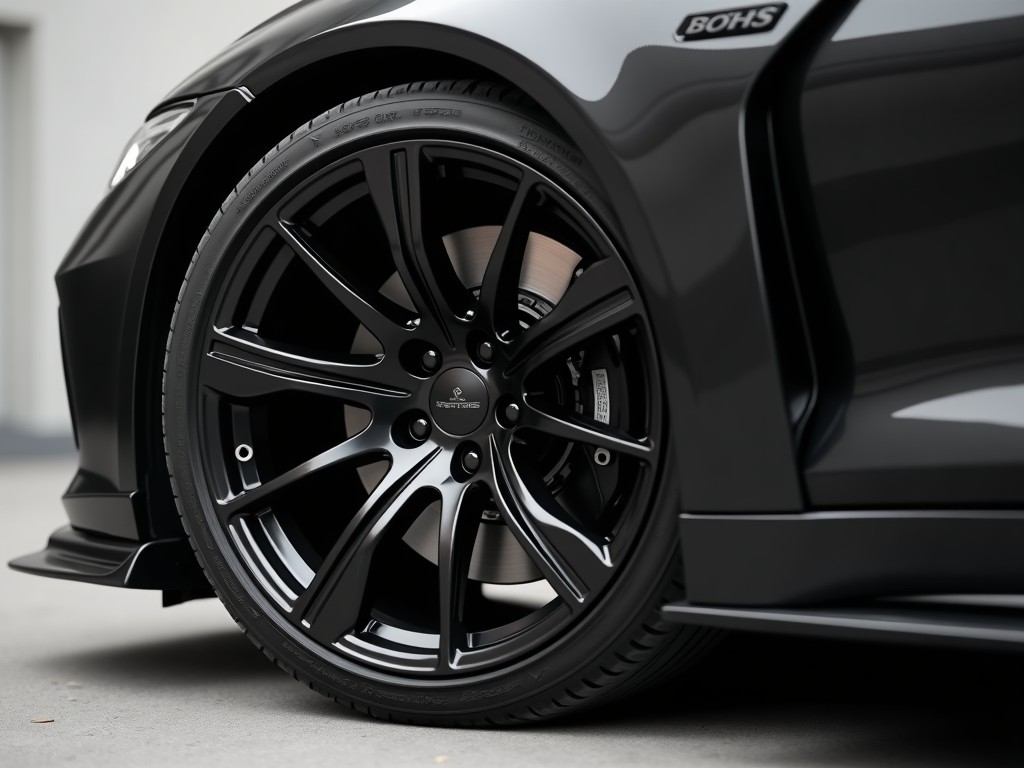
China Graphite Black Powder Coat
China Graphite Black Powder Coat
Graphite-based black powder coatings represent a specialized solution for industrial components where thermal management or electrical conductivity is a primary requirement. Unlike standard decorative coatings, these formulations incorporate finely milled graphite flakes within a resin matrix to provide functional properties beyond simple aesthetic appeal. These coatings are frequently specified for environments demanding a balance between matte visual finishes and specific physical performance-heat-transfer capabilities.
Understanding the Composition and Material Properties
The performance of a graphite black powder coat depends on the concentration and morphology of the graphite particles relative to the base resin, typically epoxy or polyester. Higher graphite content facilitates a continuous conductive network throughout the cured film, enhancing the movement of electrons or heat. The particle size distribution is critical; smaller flakes ensure uniform distribution across the substrate surface without compromising the structural integrity of the coating during curing.
Chemical resistance is largely dictated by the resin system rather than the graphite itself. Epoxy-based graphite coatings offer superior resistance to industrial solvents and acids, whereas polyester-based variants provide better UV stability for outdoor applications. Engineers must select the specific binder chemistry based on whether the component will be exposed to harsh chemical environments or direct solar radiation.
Key Performance Characteristics
| Property | Typical Values / Range |
|---|---|
| Thermal Conductivity | 0.5 - 5.0 W/m·K (depending on graphite loading) |
| Electrical Resistance | Conductive to Semi-conductive (Surface Resistance Low) |
| Film Hardness | 3H to 5H (Pencil Test) |
| Gloss Level | < 10% (Ultra Matte) |
| Adhesion Strength | 4B - 5B (Cross-cut test) |
| Typical Thickness | 60 - 120 microns (Standard) |
Industrial Applications and Selection Logic
Electromagnetic Interference (EMI) shielding is a primary driver for utilizing graphite-enhanced coatings. The conductive nature of the graphite creates a Faraday cage effect on metal enclosures, preventing external interference from disrupting sensitive electronics or containing internal emissions. This is critical for telecommunications equipment and automotive control modules where signal integrity must be maintained.
In thermal management systems, these coatings are applied to dissipate heat away from hot spots. By increasing the surface thermal conductivity of the substrate, the graphite coating helps distribute thermal loads evenly across the component's geometry. This application is common in power electronics housings and LED arrays where localized overheating could lead to component failure.
The aesthetic property of graphite black—a deep, textured matte finish—is also often utilized for industrial machinery. This finish hides minor surface scratches and fingerprints more effectively than gloss finishes, making it ideal for heavy-duty equipment that undergoes frequent handling in abrasive operational environments.
Manufacturing Process and Quality Control
Proper surface preparation is mandatory to ensure long-term coating stability. For metallic substrates, this typically involves sandblasting to create a mechanical profile followed by chemical phosphating to remove oxides and enhance chemical bonding. Without rigorous pretreatment, the high density of graphite in the powder can lead to delamination under thermal stress or mechanical impact.
Application occurs via electrostatic spray, where the powder is charged and attracted to the grounded part. Once applied, the part enters a thermal curing oven—typically reaching temperatures of 180°C for 20 to 30 minutes. The curing profile must be strictly monitored to ensure full cross-linking of the resin, ensuring the graphite flakes are properly locked in a stable matrix.
Quality control protocols for graphite coatings include standard adhesion tests and functional testing. Surface resistance is often measured to verify that the coating meets the conductivity requirements for EMI shielding projects. Thickness checks are performed to ensure that the functional properties remain consistent without compromising mechanical tolerances in tight assemblies.
Frequently Asked Questions
Can the electrical conductivity be adjusted for specific projects?
Yes, the graphite loading percentage can be modified during the formulation phase to meet specific resistance targets, though this may affect the coating texture.
What is the best resin for outdoor exposure?
Polyester-based graphite coatings are recommended for outdoor use due to their inherent resistance to UV degradation compared to standard epoxies.
Are samples available for conductivity testing?
Technical samples can be provided upon request once the substrate material and application requirements are defined to ensure conductivity performance.
For technical data sheets or to discuss custom graphite black powder coat specifications for your project, please contact our engineering team.
Request Technical Inquiry


×