-
Call Now ! +86 18231158869
-
Email Now [email protected]

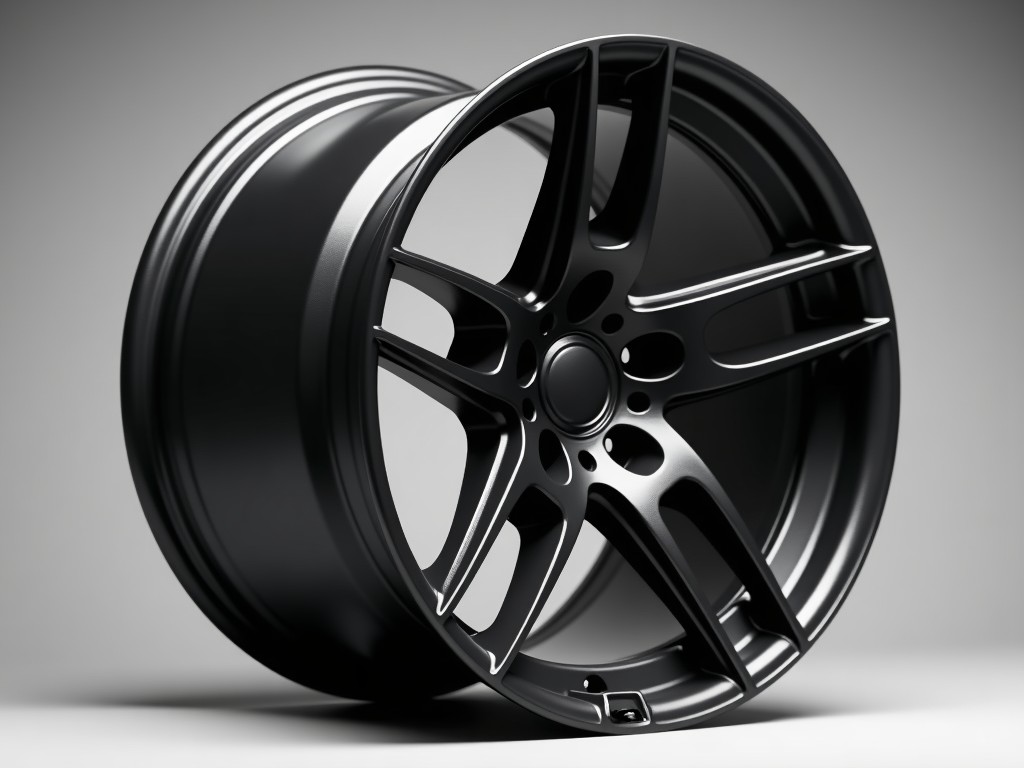
China Graphite Powder Coated Wheels
China Graphite Powder Coated Wheels: Technical Specifications and Manufacturing
Industrial environments often demand components that can withstand extreme friction and thermal stress without compromising structural de-gradation. By applying a specialized graphite powder coating to metallic wheel bases, manufacturers can provide a surface that significantly reduces the coefficient of friction while enhancing thermal stability. This technical solution is critical for material handling systems and heavy machinery where traditional lubrication would lead to environmental contamination or premature mechanical failure.
The performance of these wheels is dictated by the molecular structure of the graphite flakes embedded within the polymer matrix. Unlike standard paints, the graphite-based coating creates a self-lubricating barrier that remains effective under high loads. This ensures that the wheel maintains rotational efficiency even when subjected to abrasive particulates or fluctuating temperature gradients.
Technical Properties of Graphite Coated Surfaces
The primary advantage of a graphite-coated surface lies in its inherent lubricity. Graphite possesses a hexagonal crystalline structure that allows layers to slide over one another, minimizing the shear force required for movement across tracks or contact surfaces. This property reduces wear on both the wheel and the corresponding infrastructure, extending the service interval of the entire assembly.
Thermal management is another critical factor where graphite coating excels. Graphite has high thermal conductivity, which allows the wheel to dissipate heat away from the contact point rapidly. This prevents localized overheating that could otherwise lead to thermal expansion or structural softening of the underlying metal core. Furthermore, the coating is typically stable at temperatures that would exceed the melting point of standard organic coatings.
Chemical resistance is also bolstered by the dense powder coating process. The coating acts as a barrier against oxidative agents and corrosive chemicals, protecting the base metal from pitting and rust. This is particularly vital for wheels used in chemical processing plants or outdoor environments where moisture and salt exposure are prevalent.
Manufacturing Process for Graphite Coating
The manufacturing sequence begins with rigorous surface preparation designed to ensure maximum mechanical adhesion. The metal wheel base is typically subjected to sandblasting or chemical etching to remove scale, oils, and oxides, creating a profile that the coating can "lock into." Without this step, the coating risks delamination under high shear stress.
Once the surface is prepared, the graphite powder is applied via an electrostatic process. The powder particles are charged and attracted to the grounded wheel surface, ensuring a uniform distribution even across complex geometries and internal radii. This precision application is essential for maintaining the rotational balance of the wheel in high-speed applications.
The final stage involves the curing process in a controlled oven. Temperatures usually range between 180°C and 250°C depending on the specific resin formulation. During this phase, the polymer binder melts and encapsulates the graphite flakes, forming a hard, cross-linked layer. The result is a durable finish that is resistant to impact, abrasion, and environmental exposure.
Industrial Applications
Graphite-coated wheels are extensively utilized in heavy-duty conveyor systems where dry lubrication is required. In food-grade or pharmaceutical environments, using grease-based lubricants can attract dust and lead to product contamination, here the self-lubricating nature of the graphite coating ensures smooth operation without the need for external oils.
In mining and metallurgical industries, these wheels are used in rollers and transport systems that handle hot materials. The high thermal resistance of the graphite layer prevents the rollers from seizing under the heat generated by heavy loads. By maintaining a low coefficient of friction, the system reduces energy consumption and prevents strain on the drive components.
Power generation facilities also employ these wheels in components where electrical grounding or thermal dissipation is necessary simultaneously. The conductivity of the graphite layer can assist in dissipating static buildup, which could otherwise interfere with sensitive electronic monitoring equipment.
Customization and Material Options
| Parameter | Typical Values / Options |
|---|---|
| Base Material Material | Cast Iron, Carbon Steel, Stainless Steel, Ductile Iron |
| Coating Thickness | 50μm to 200 microns (Customizable) |
| Operating Temperature | -50°C to +500°C (Depending on resin) |
| Coating Finish | Matte, Semi-Gloss, Textured |
| Chemical Resistance | High resistance to acids, bases, and solvents |
Quality Control and Inspection Standards
Adhesion Testing: Cross-cut and tape tests to ensure the graphite layer is bonded securely to the metal substrate.
Coating Thickness Measurement: Using magnetic induction or ultrasonic gauges to verify the micron level meets project specifications.
Hardness Testing: Evaluating the cured coating to ensure it can withstand surface abrasion and impact.
Thermal Cycling Tests: Subjecting samples to temperature fluctuations to check for cracking or delamination.
Dimensional Inspection: Ensuring the final wheel diameter and bore remain within specified tolerances for assembly compatibility.
Requires specific graphite-coated wheel dimensions for your industrial application? Our engineering team provides technical consultation to match materials to your requirements.
Request a Technical Data Sheet and Quotation


×