-
Call Now ! +86 18231158869
-
Email Now [email protected]

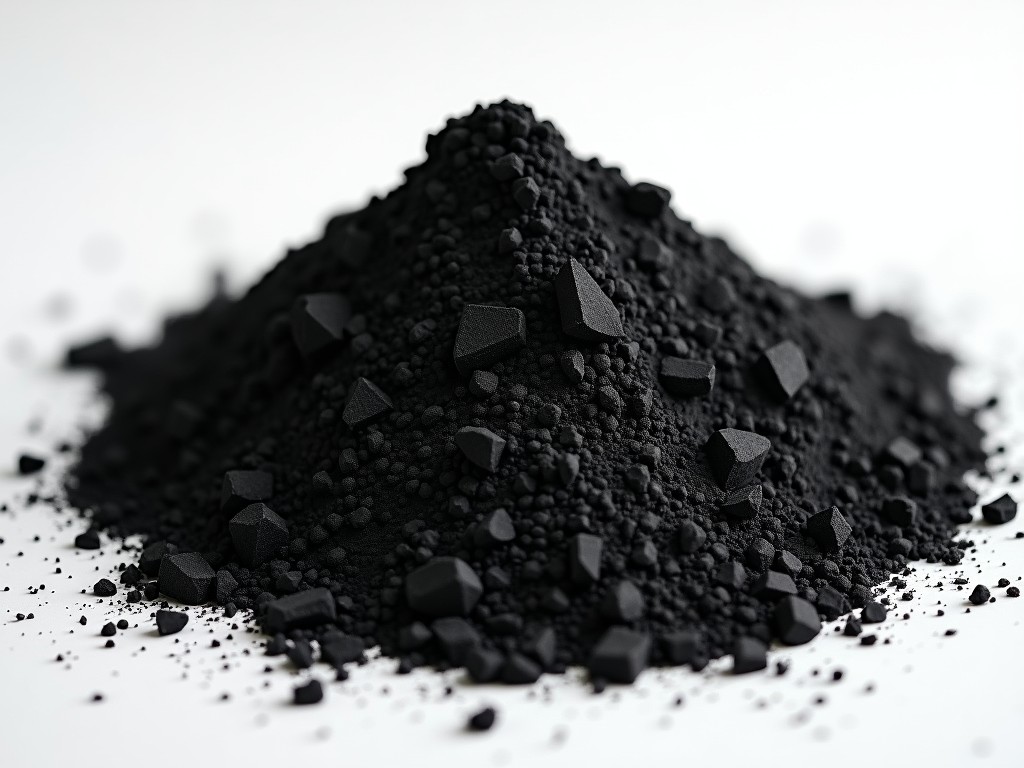
Generals Graphite Powder Source Factory
General Graphite Powder Source Factory: Technical Specifications and Manufacturing
Graphite powder serves as a critical component in various industrial processes due to its unique combination of thermal stability, electrical conductivity, and inherent lubricity. As a source factory, the focus remains on controlling the crystalline structure and particle size distribution to ensure the material meets the rigorous requirements of precision engineering and chemical manufacturing. Understanding the variance between natural and synthetic graphite is essential for procurement teams selecting the right grade for specific high-stress environments.
Material Classification and Structural Properties
Industrial-grade graphite is primarily categorized based on its origin and purity. Natural graphite, typically derived from metamorphic carbon deposits, offers a flakey structure that provides superior lubricity, making it ideal for lubricants and mold releases. Synthetic graphite, produced from petroleum coke or coal pitch, offers higher purity and more consistent isotropic properties, which are vital for applications like electrode manufacturing and specialized refractory components.
The performance of the powder is heavily dictated by its ash content and volatile matter. High ash levels can interfere with electrical conductivity and compromise the structural integrity of cast-graphite components. By utilizing advanced thermal treatment and chemical purification processes, manufacturers can reduce impurities to levels exceeding 99.99%, ensuring the material performs predictably under high-temperature conditions.
Technical Specifications Overview
| Property | Typical Values | Customization Options |
|---|---|---|
| Carbon Purity (%) | 94% - 99.999% | Ultra-high purity (>99.9%) |
| Particle Size (D50) | 0.5 μm - 50 μm | Custom micron-level milling |
| Specific Gravity (g/cm³) | 2.1 - 2.3 | Fixed based on grade |
| Electrical Conductivity (S/cm) | 10^3 - 10^5 | Optimized by heat treatment |
| Moisture Content (%) | < 0.5% | Vacuum-dried on request |
Industrial Applications and Functional Logic
The selection of graphite powder is driven by the mechanical and thermal demands of the end product. In the metal casting industry, graphite is utilized as a release agent because its low surface energy prevents metal adhesion with the mold, ensuring a clean finish on complex geometries. In the energy sector, the powder's density and conductivity are critical for the production of anode materials in lithium-ion batteries.
Electrodes Manufacturing: High-purity powder is required to maintain low resistance and thermal stability during arc processes.
High-Temperature Lubrication: Acts as a solid lubricant where oils would evaporate or decompose, maintaining low friction coefficients at extreme temperatures.
Plastics and Polymers: Added as a filler to enhance thermal conductivity and provide electrostatic discharge in molded components.
Refractory Bricks: Provides thermal shock resistance and chemical inertness in harsh furnace environments.
Manufacturing and Quality Control
Production begins with the careful selection of raw carbon, followed by controlled carbonization to eliminate organic compounds. The material is then subjected to jet milling or ball milling to achieve the desired particle size distribution. This milling stage is critical, as a non-uniform distribution can lead to inconsistent density and structural weaknesses in the final composite or cast part.
Quality assurance is maintained through rigorous testing protocols. We utilize laser diffraction to verify particle size distribution, ensuring every batch meets the specified tolerance. Additionally, oxygen analysis is performed to determine the residual oxygen, which directly impacts the oxidation resistance of the graphite in high-temperature applications.
Require Custom Graphite Specifications?
Each project often demands specific particle size curves or purity levels. Our engineering team can provide technical consultation to help align our material with your manufacturing requirements.
Request Technical Data Sheet and Quotation


×