-
Call Now ! +86 18231158869
-
Email Now [email protected]

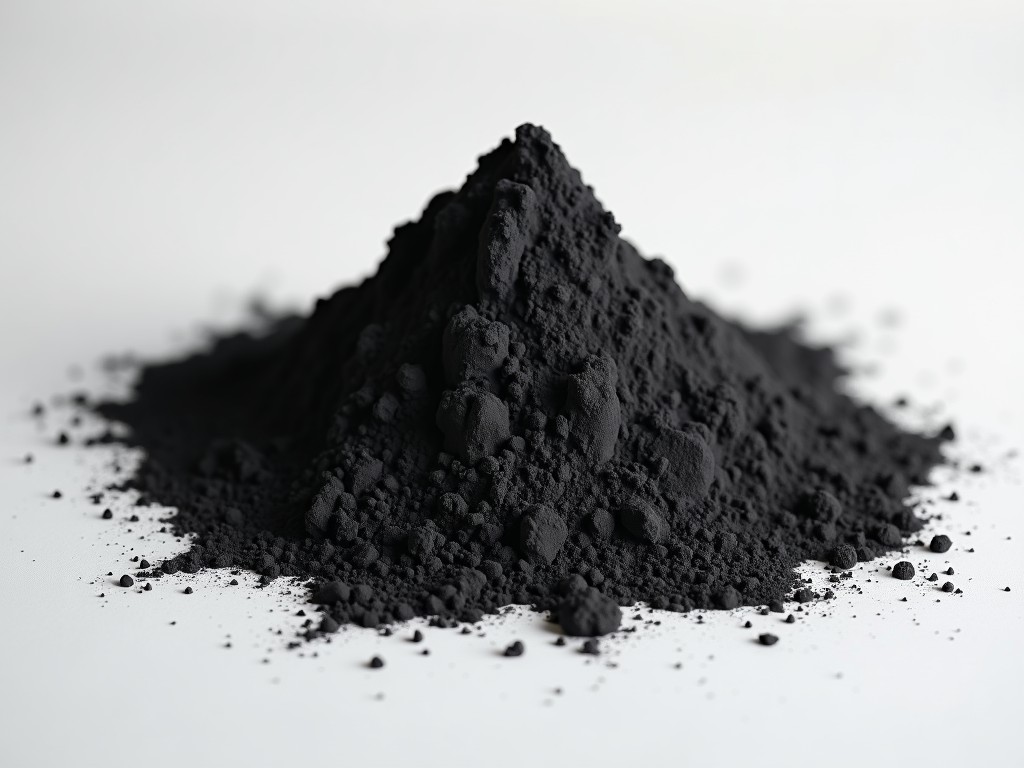
Graphite Gray Powder Paint Source Factory
Graphite Gray Powder Paint Source Factory
Graphite gray powder paint serves as a specialized coating solution for industrial components demanding a metallic aesthetic paired with robust environmental protection. This formulation utilizes finely milled pigments to achieve the characteristic graphite luster while providing a resilient barrier against oxidation and mechanical wear. For manufacturers, selecting this finish ensures a balance between visual appeal and the technical requirements of heavy-duty environments.
The chemical composition of the powder typically varies based on the resin system, such as polyester, epoxy, or hybrid polyesters. Unlike standard flat coatings, the graphite gray variant incorporates metallic flakes that influence light reflection, which helps to mask minor surface abrasions during the service life of the equipment.
Technical Specifications
| Property | Typical Values / Range |
|---|---|
| Base Resin System | Polyester (UV resistant), Epoxy (Indoor), or Hybrid (General) |
| Gloss Level | 20% to 80% (Satin to High Gloss) |
| Coating Thickness | 60 - 120 microns |
| Salt Spray Resistance | ≥ 1000 hours (ASTM B117) |
| Impact Hardness | 2H - 4H (Pencil Test) |
| Thermal Stability | Up to 200°C (depending on resin) |
Application Analysis
Selection of graphite gray powder paint is dictated by the specific environmental stressors the product will face. It is frequently utilized in sectors where both functional protection and aesthetic consistency are required simultaneously.
Industrial Machinery: The metallic finish provides a professional appearance for heavy equipment while the dense coating layer resists scratches and oils common in factory environments.
Outdoor Infrastructure: When formulated with polyester resins, the graphite gray particles resist chalking and fading caused by prolonged UV exposure in structural steel elements.
Automotive and Transport Components: The high impact resistance makes this coating ideal for chassis parts, rims, and engine housings subjected to road debris.
Architectural Elements: Provides a modern, industrial look for metal facades and window frames that require low-maintenance upkeep.
Manufacturing Process & Customization
The application of graphite gray powder paint relies on an electrostatic process where the powder particles are given a negative charge and attracted to the grounded metal substrate. This ensures a uniform distribution even on complex geometries and internal corners where liquid paint might sag.
Curing is the most critical stage in manufacturing. The coated parts are placed in a curing oven, typically maintained between 180°C and 200°C for 10 to 20 minutes. This thermal cycle triggers a chemical reaction that fuses the powder into a hard, continuous polymer film.
Customization is available regarding the particle size distribution and the density of the metallic flakes. Engineers can adjust the formulation to achieve either a matte-industrial gray or a high-reflectivity metallic finish based on the specific branding requirements of an OEM client.
Quality Control & Testing
To ensure batch-to-batch consistency, every production run undergoes rigorous mechanical testing. We focus on the bond between the coating and the substrate to prevent delamination under physical stress.
Adhesion Testing
Cross-cut tests are performed to ensure the paint remains firmly bonded to the metal surface, preventing peeling over years of use.
Thickness Verification
Dry film gauges are used to confirm the coating meets the specified micron requirement for optimal corrosion resistance versus cost.
Frequently Asked Questions
What is the required substrate preparation for graphite gray paint?
Proper surface pretreatment, typically involving sand blasting to Sa 2.5 standard, is necessary to create an anchor profile for mechanical adhesion and to remove contaminants like oils or scale.
Can the graphite shade be matched to a specific RAL color?
Yes, we can adjust the pigment ratios to match specific RAL metallic or standard color codes while maintaining the graphite-like effect.
How is the powder packaged for bulk industrial orders?
Standard packaging involves 25kg moisture-resistant paper bags or palletized bulk bags to prevent moisture absorption during international shipping and warehouse storage.
Are you seeking technical data or a bulk quotation for your project?
Request Technical Consultation


×