-
Call Now ! +86 18231158869
-
Email Now [email protected]

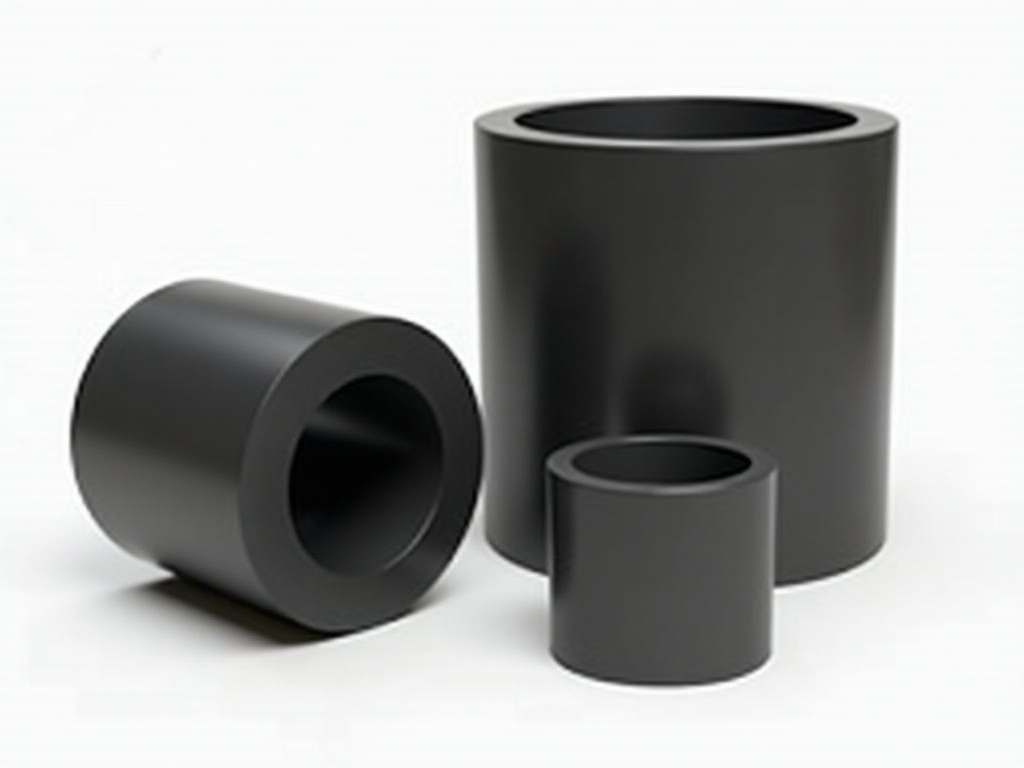
Graphite Packing For Valves
Graphite Packing for Valves
Graphite packing serves as the primary sealing mechanism for valve stems in environments demanding high thermal and chemical stability. Unlike synthetic fiber alternatives, graphite-based media provides a resilient barrier that maintains structural integrity under extreme thermal cycling. Engineers select graphite packing specifically when stem leakage must be minimized at high operating temperatures where standard polymers would degrade or fail.
Technical Properties: Why Graphite is Used
The thermal stability of graphite is its most significant advantage, allowing it to withstand temperatures up to 450°C in oxidizing atmospheres and significantly higher in inert gas or vacuum environments. Beyond heat resistance, the natural lubricious properties of the carbon crystal structure reduce friction against the valve stem, thereby extending the operational life of the packing gland assembly and reducing the torque required for operation.
Chemical inertness is another critical factor, as graphite remains resistant to most acids, bases, and organic solvents. This resistance ensures that the seal does not become brittle or dissolve when exposed to aggressive process media. Furthermore, the material's high thermal conductivity helps dissipate heat away from the valve stem, preventing localized hotspots that could cause mechanical binding.
Material Variations
Material selection depends on the specific pressure and mechanical requirements of the valve. Flexible graphite is the most common form, prized for its softness and ability to conform to irregularities in the gland to create a tight seal. However, for high-pressure applications where pure graphite might extrude, reinforced variants are often necessary.
Reinforced graphite packing typically incorporates a core of stainless steel mesh, carbon fiber, or PTFE threads. These reinforcements significantly increase the tensile strength and resistance to blowout without sacrificing the inherent thermal properties of the graphite layer. In some cases, graphite is impregnated with lubricants to provide an additional layer of abrasion resistance for valves involving high-velocity fluid flows.
Applications
Graphite packing is utilized in high-pressure steam systems where thermal expansion is the primary cause of seal failure. Its ability to maintain elasticity at high temperatures makes it the industry standard for power plant steam valves and industrial heating units.
In the chemical processing industry, graphite packing is deployed in valves handling corrosive media where traditional synthetic fibers would undergo chemical degradation. Additionally, the low-outgassing properties of graphite make it ideal for vacuum applications, where any contamination of the vacuum environment could compromise the integrity of the process.
Comparison of Graphite Packing Types
| Material Type | Max Temp (Air) | Pressure Resistance | Primary Application |
|---|---|---|---|
| Flexible Graphite | 450°C | Medium | Steam, Vacuum |
| Reinforced (SS Mesh) | 450°C | High | High-pressure Oil |
| Graphite/PTFE Blend | 280°C | Low-Medium | Chemical processing |
Installation and Maintenance
Proper installation requires precise adjustment of the gland nuts to ensure even compression across all rings of packing. Over-tightening can lead to premature stem wear and increased torque, while under-tightening results in inadequate sealing and thermal leakage.
Maintenance protocols should include inspecting the valve stem for signs of scoring or grooves. If the stem is damaged, even the highest quality graphite packing will fail to maintain a seal. Replacing packing should be done in rings at a time to prevent the stem from being damaged during the removal process.
Frequently Asked Questions
Can dimensions be customized for specific valve stems?
Yes, graphite packing is available in various diameters, widths, and braided configurations to match specific valve design requirements.
What information is required before a quotation is issued?
To provide an accurate quote, we require the operating temperature, maximum pressure, chemical nature of the media, and the dimensions of the valve stem and gland.
How is quality inspected?
Graphite packing is inspected for density, tensile strength, and dimensional accuracy to ensure it meets industrial standards for thermal sealing performance.
Requires technical specifications or material selection assistance for your specific valve application?
Contact our engineering team for technical support.


×