-
Call Now ! +86 18231158869
-
Email Now [email protected]

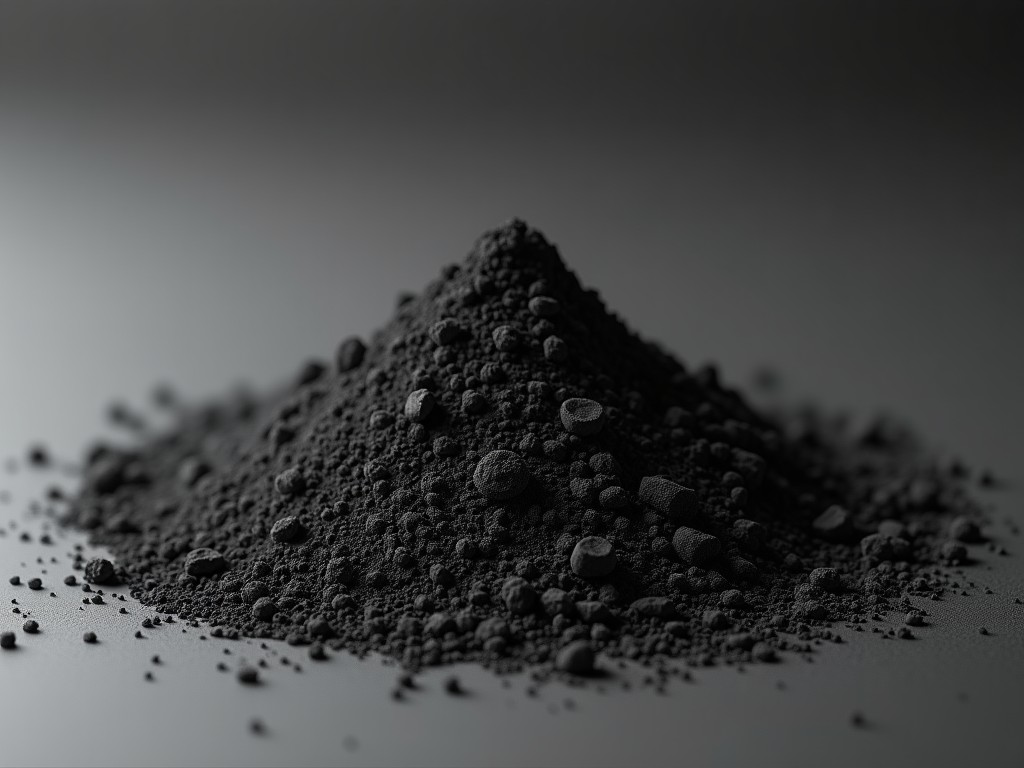
Graphite Powder Lubricant Uses
Graphite powder lubricant uses
Graphite powder functions as a solid dry lubricant due to its unique hexagonal crystalline structure. Unlike liquid lubricants, graphite does not rely on a base oil to reduce friction; instead, its layered carbon atoms slide over one another with minimal shear resistance. This mechanism makes it indispensable in extreme environments where traditional oils would oxidize, evaporate, or freeze out.
The effectiveness of graphite is largely dependent on the presence of atmospheric moisture. In standard conditions, water molecules adsorb between the graphite layers, facilitating the sliding action. However, in high vacuum environments where moisture is absent, graphite can actually exhibit an increase in the coefficient of friction, necessitating alternatives like molybdenum disulfide (MoS2) for specific space-grade applications.
Key Performance Characteristics of Graphite Lubricants
Thermal stability is the primary advantage of graphite powder. It maintains structural integrity and lubricity at temperatures up to 450°C in air and up to 4,500°C in inert atmospheres. This range allows for its use in high-heat industrial furnaces and engines where synthetic greases would undergo rapid thermal decomposition.
Graphite is chemically inert and non-conductive, making it ideal for electrical and electronic components where short circuiting must be avoided. Furthermore, its high load-bearing capacity ensures that the lubricant film does not squeeze out under extreme pressures common in heavy machinery operations.
Low coefficient of friction typically ranging from 0.1 to 0.2 in dry conditions.
Excellent chemical resistance against most solvents, acids, and bases.
Non-volatile properties preventing contamination in manufacturing.
Non-conductive nature for sensitive mechanical assemblies.
Primary Industrial Applications and Mechanisms
In the metal forming industry, graphite powder is utilized as a release agent in die casting and extrusion. The powder forms a thin, resilient barrier that prevents molten metal from bonding to the die surface. This reduces the force required for part ejection and extends the lifespan of expensive tooling by minimizing thermal shock and mechanical wear.
Aerospace and defense sectors employ graphite for lubricating moving parts that operate in vacuum chambers. Because liquid lubricants outgas in a vacuum, solid graphite ensures smooth operation of gears and linkages without the risk of optical contamination. This is critical for satellite components and laboratory testing equipment.
The automotive industry frequently uses graphite in locks, padlocks, and window mechanisms. These components are exposed to dust and environmental contaminants that would turn grease into an abrasive paste. Graphite provides a dry interface that does not attract debris, ensuring consistent mechanical operation over years of service life.
Comparison: Graphite vs. Synthetic Lubricants
| Property | Graphite Powder | MoS2 | Synthetic Grease |
|---|---|---|---|
| Max Temp (Air) | 450°C | 350°C | 150°C - 250°C |
| Vacuum Performance | Poor (requires moisture) | Excellent | Poor (outgassing) |
| Conductivity | Non-conductive | Semi-conductive | Non-conductive |
| Load Capacity | High | Very High | Medium |
Technical Considerations for Selection
Selecting the correct graphite grade requires evaluating the particle size distribution. Finer powders (sub-micron range) are preferred for spray applications and thin coatings where a uniform film is necessary. Conversely, coarser particles are more effective for bulk release agents in die casting where a thicker barrier is required to withstand mechanical shear.
Purity and moisture content also play critical roles in performance. High-purity graphite is essential for electronic applications to prevent trace metal contamination. Additionally, if the lubricant is intended for extremely dry environments, the manufacturer must specify the moisture levels to ensure the lubricious properties remain active upon application.
Frequently Asked Questions
Does graphite require moisture to work?
Yes, in most Earth-based conditions, graphite requires a small amount of adsorbed moisture to lubricate its layers. In bone-dry or vacuum conditions, its performance may degrade compared to other solid lubricants.
What particle sizes are typically available?
Available particle sizes range from sub-micron powders for precision coatings to over 100 microns for industrial-grade lubricants, depending on the specific application requirements.
Can graphite be mixed with other lubricants?
Yes, graphite is frequently blended with resins, waxes, or synthetic oils to create composite lubricants that offer both thermal stability and improved friction coefficients.
Need Technical Specifications for Your Project?
Contact our engineering team to discuss particle size requirements and thermal parameters for your specific industrial application.
Request a Technical Consultation


×