-
Call Now ! +86 18231158869
-
Email Now [email protected]

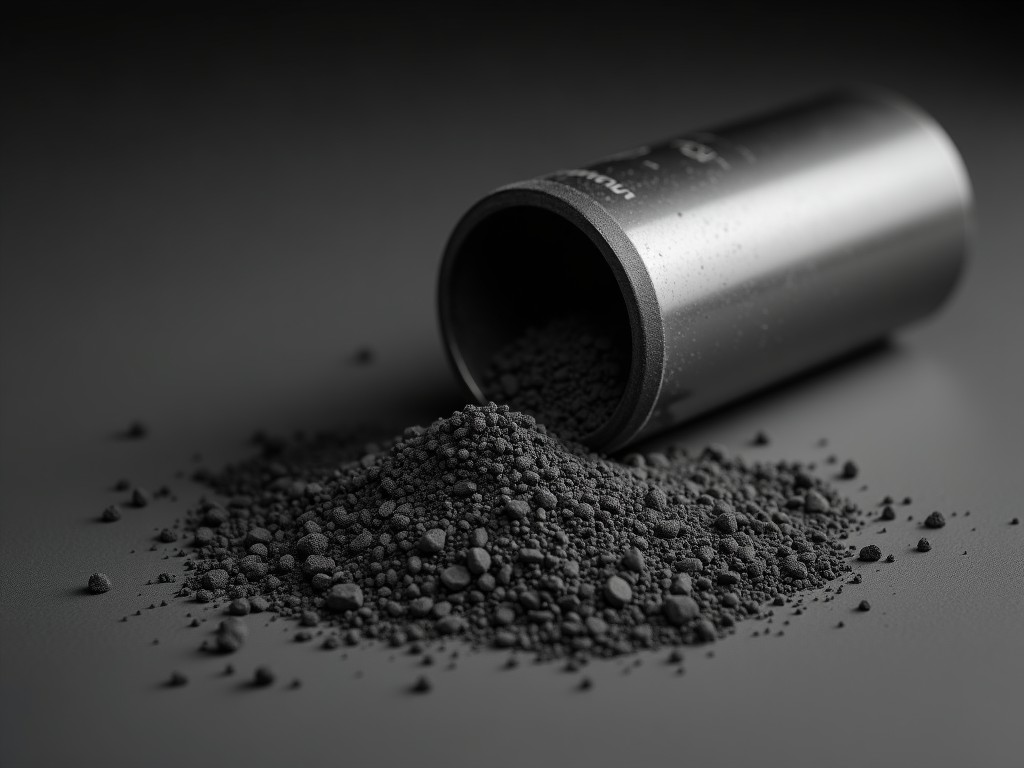
Lock Ease Graphite Powder
Lock Ease Graphite Powder Lubricant for Locks
Mechanical lock systems utilize tight-tolerance components including pins, springs, and wafers. The Lock Ease graphite powder lubricant provides a dry-film interface engineered to minimize kinetic friction without the adhesive risks inherent in liquid-based lubricants. By utilizing a crystalline carbon structure, this lubricant allows molecular layers to slide across metal surfaces, ensuring consistent actuation even in high-frequency use environments.
Technical Performance and Material Properties
The efficacy of graphite is derived from its particle size and purity. Industrial-grade graphite powder utilizes finely milled particles that penetrate into the narrow chambers of a lock cylinder where thicker greases cannot reach. This prevents the "gumming" effect often seen when liquid lubricants oxidize or trap atmospheric dust and debris over time.
Chemical stability is maintained through a non-corrosive interaction with brass, stainless steel, and aluminum alloys. This compatibility is critical for high-security security hardware where internal oxidation could lead to catastrophic failure or mechanical binding.
Friction Coefficient: Significantly reduced compared to dry metal-metal contact.
Temperature Resistance: Effective in ranges from -40°C to +250°C.
Residue Profile: Zero-viscosity dry film that prevents particulate accumulation.
Purity: High-purity carbon graphite to ensure no chemical reactions.
Lubricant Comparison Analysis
Selecting the correct lubricant depends on the environmental conditions and the mechanical requirements of the lock. While oils provide immediate relief, they often fail in industrial settings due to environmental contamination.
| Feature | Lock Ease Graphite Powder | Petroleum Oils | Silicone Spray |
|---|---|---|---|
| Residue Type | Dry Crystalline | Viscous Liquid | Thin Film |
| Dust Attraction | Minimal | High (Traps) | Moderate |
| Cold Weather Performance | Excellent | Poor (Freezes) | Good |
| Longevity | Long-term | Short-term (Evaporates) | Medium |
Industrial Applications
Graphite lubrication is specified for environments where mechanical reliability is non-negotiable. In outdoor industrial facilities, locks are exposed to humidity and temperature fluctuations; the dry-nature of graphite prevents the internal mechanism from freezing shut.
Facility managers utilize this powder for heavy-duty padlocks, gate mechanisms, and security vaults. Because the powder does not attract abrasive sand or grit, the internal pins remain clean, significantly extending the interval between required maintenance maintenance cycles.
Application and Maintenance Protocol
Proper application is vital to avoid over-lubrication, which can lead to powder buildup if the keyway is obstructed. The recommended procedure involves cleaning the lock of any old debris using compressed air or a solvent.
Apply a minimal amount of graphite to the key itself rather than directly into the cylinder. Insert the key and operate it repeatedly to distribute the powder evenly across the shear line. This method ensures a thin, uniform layer of lubricant is deposited exactly where friction is most prevalent.
Frequently Asked Questions
Can this graphite be used with high-security rim cylinders?
Yes, it is compatible with most pin-tumbler systems, provided they are not pre-lubricated with heavy grease that requires cleaning first.
What happens if the lock is already oiled with oil?
Applying graphite over oil can create a paste that may eventually clog the mechanism. It is recommended to degrease the lock before switching to a dry graphite system.
Is graphite safe for internal springs?
Yes, graphite is chemically inert and does not affect the tension or material corrosion resistance of steel springs.
For technical data sheets or bulk procurement inquiries for industrial projects, please contact our engineering team.
Request Technical Specifications


×