-
Call Now ! +86 18231158869
-
Email Now [email protected]

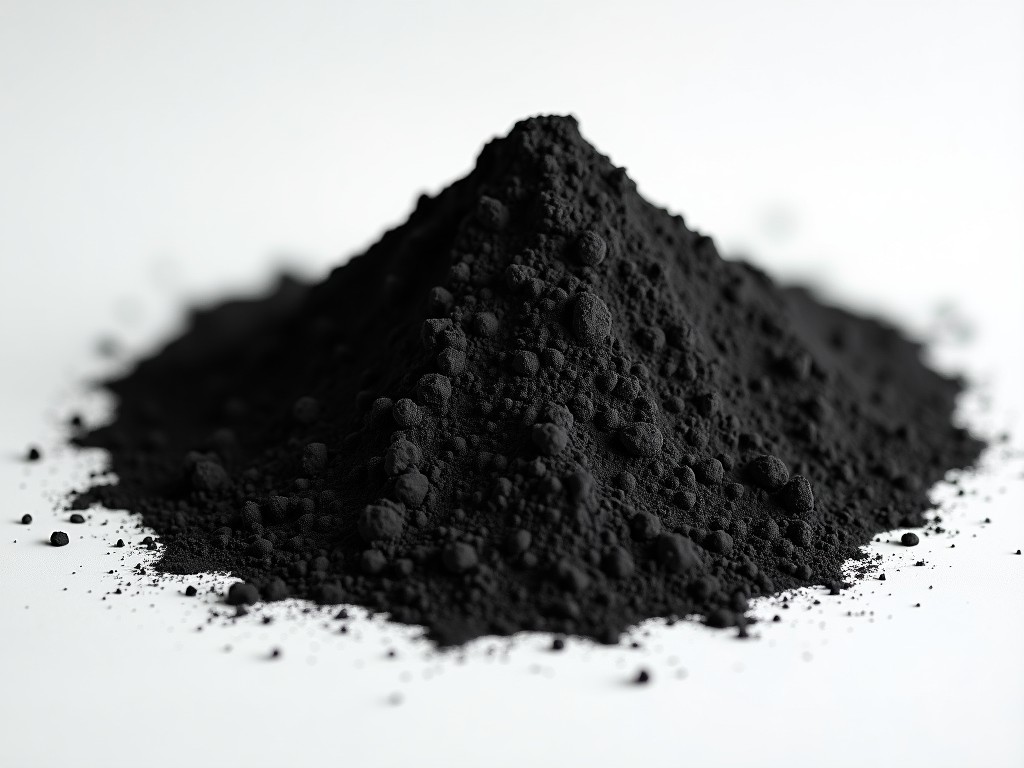
Oem Expandable Graphite Powder Price
oem Expandable Graphite Powder Price and Technical Specifications
Expandable graphite powder serves as a critical filler in high-performance materials where thermal stability, electrical conductivity, and insulation are paramount. When subjected to high heat, the intercalated compounds undergo rapid expansion, transforming the graphite layers to create a protective carbonaceous char structure. For OEM manufacturers, selecting the correct grade requires a deep understanding of how the chemical treatment process affects the final mechanical properties of the composite material or coating.
Factors Influencing OEM Expandable Graphite Price
The unit cost of OEM expandable graphite is not a fixed figure but fluctuates based on the chemical precision of the intercalation process. Higher expansion ratios, often exceeding 300%, require more stringent temperature control during the chemical treatment phase to ensure uniform distribution of the agent. Furthermore, the particle size distribution—measured in mesh size—affects the milling intensity and consequently the final price point.
Volume and logistics also play a significant role in procurement strategy. Large-scale industrial orders typically benefit from lower per-kilogram costs compared to small-batch R&D samples. The specific type of intercalation agent used—whether sulfuric acid based or specialized organic compounds—also dictates the raw material expenditure and the resulting performance profile of the powder.
Technical Specifications Overview
| Property | Typical Value | Note |
|---|---|---|
| Expansion Ratio | 150% - 450% | Customizable based on application |
| Density | 0.8 - 1.2 g/cm³ | Pre-expansion state |
| Electrical Conductivity | 10 - 50 S/cm | Depending on purity |
| Purity | >98% | Standard grade |
| Mesh Size | 80 - 400 mesh | Available upon request |
Industrial Applications and Engineering Logic
Engineers select expandable graphite for various sectors to solve specific thermal or electrical challenges. In fire protection industries, the powder acts as the primary intumescent agent; when the coating chars, the graphite expands to form an insulating foam layer that prevents heat transfer to the structural steel or concrete beneath.
Fireproofing: Used in intumescent paints and structural coatings to maintain structural integrity during high-temperature fire events.
EMI/RFI Shielding: Incorporated as a filler in plastics and elastomers to create a conductive Faraday cage that blocks electromagnetic interference.
Polymer Modification: Added to improve the thermal stability and flame retardancy of thermoplastics and engineering plastics.
Lubrication: Serves as a dry lubricant in high-temperature environments where liquid oils would decompose or evaporate.
Customization Options for OEMs
OEM production often requires tailored material specifications to ensure compatibility with the host matrix. For instance, a graphite intended for silicone-based rubbers requires different surface treatments than one meant for epoxy resins. We can provide specific particle size distributions to ensure the filler does not disrupt the flow characteristics of the base compound.
Surface modifications are also available to enhance the interfacial bonding between the graphite flakes and the polymer chains. This reduces delamination risks and improves the mechanical strength of the final product under shear or tensile stress.
Frequently Asked Questions
What is the typical production lead time for bulk orders?
Standard grade orders typically ship within 2 to 4 weeks, while custom formulations or specialized mesh sizes may require additional time for quality testing.
Can the expansion ratio be customized for a specific polymer matrix?
Yes, the intercalation process can be adjusted to achieve specific expansion ratios that align with the thermal requirements of your specific application.
How is quality inspected before shipment?
Each batch undergoes testing for expansion ratio, particle size distribution via sieve analysis, and moisture content to ensure consistency with the technical data sheet.
Need a detailed quote or technical consultation for your OEM project?
Request Inquiry and Quotation


×