-
Call Now ! +86 18231158869
-
Email Now [email protected]

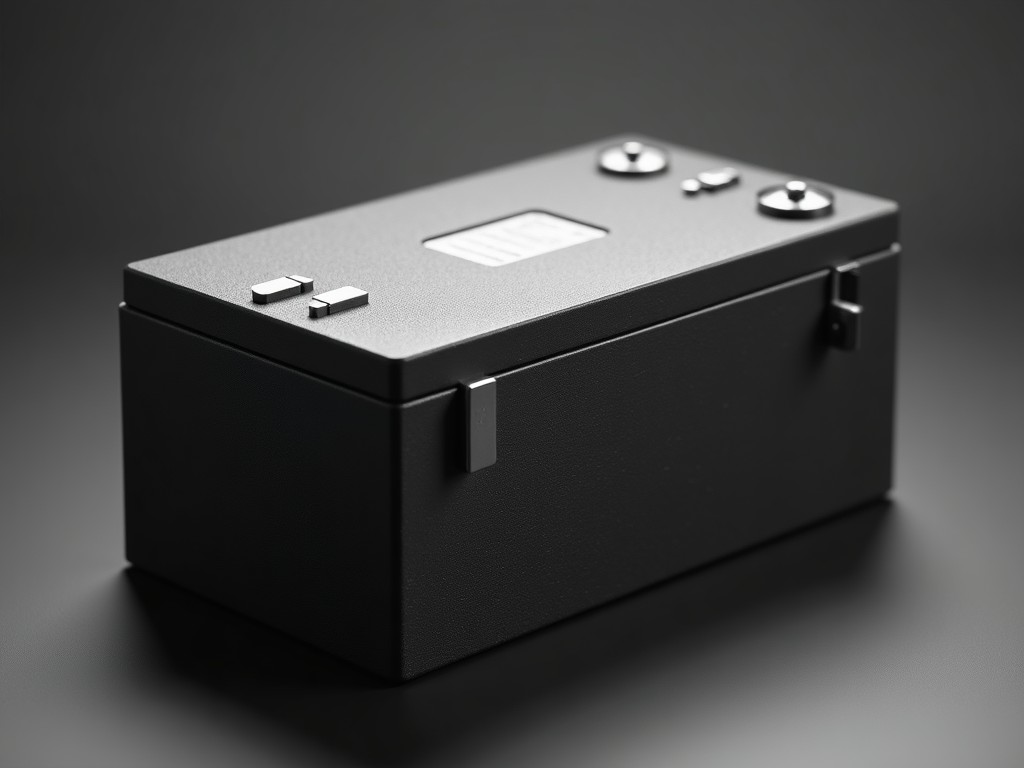
Oem Graphite In Ev Batteries
OEM Graphite for EV Batteries: Technical Specifications and Manufacturing Integration
Graphite serves as the foundational component of the anode in lithium-ion batteries utilized within electric vehicles (EVs). For OEMs, the selection of graphite directly dictates the battery's energy density, charging speed, and overall thermal stability. This technical overview outlines the integration of high-grade graphite materials into high-volume EV cell manufacturing lines, focusing on material purity and electrochemical structural performance.
Technical Properties of Graphite Anodes in High-Performance EV Cells
The performance of a graphite anode depends on its ability to intercalate lithium ions within its crystalline layers. High-crystallinity graphite ensures low internal resistance, while the surface area morphology influences the formation of a stable Solid Electrolyte Interphase (SEI) layer. This layer minimizes electrolyte consumption during the first charge cycle, which is critical for maintaining the capacity retention of automotive packs.
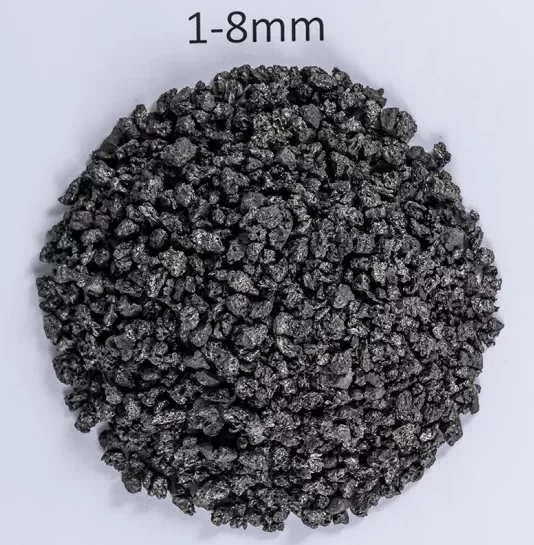
Engineers must evaluate the particle size distribution (PSD) to ensure optimal packing density during the slurry mixing and coating process. A well-distributed PSD allows for higher mass loading, directly increasing the gravimetric energy density of the final battery cell. Furthermore, the tap density of the graphite powder determines the volumetric efficiency of the electrode, impacting the overall footprint of the battery module.
Natural vs. Synthetic Graphite for OEM Applications
Selecting between natural and synthetic graphite involves balancing cost-efficiency against power-performance and cycle life. While natural graphite offers higher specific capacity, synthetic variants provide superior structural integrity under high-rate charging conditions.
| Property | Natural Graphite | Synthetic Graphite | Impact on EV-Cell |
|---|---|---|---|
| Specific Capacity | Higher (~360 mAh/g) | Lower (~350 mAh/g) | Range per charge |
| Rate Capability | Moderate | Excellent | Enables fast charging |
| Cycle Life | Variable | Very High | Vehicle longevity |
| Cost Efficiency | Lower | Higher | BOM cost |
Customization Options for Battery Cell Design
OEMs can tailor graphite formulations to meet specific C-rate requirements and thermal profiles. This includes adjusting carbon coating thickness to improve electrical conductivity or modifying the particle morphology to spherical shapes to enhance high-rate performance.
Surface Modification: Carbon coating applied to prevent electrolyte reactions and reduce impedance.
Porosity Control: Adjusting internal pore structure to balance ion transport with energy density.
Doping Levels: Reducing metal impurity content to prevent internal short circuits and thermal runaway.
Quality Control and Material Standards
Rigorous testing protocols ensure material consistency across large-scale production batches. X-ray diffraction (XRD) is utilized to measure crystallinity levels, while scanning electron microscopy (SEM) inspects surface morphology for defects that could cause premature SEI failure.
Tap density and ash content are also monitored to ensure the graphite meets automotive-grade specifications. Low metal ion concentration is mandatory, as metallic impurities can catalyze parasitic reactions that degrade the battery cell structure over thousands of cycles.
FAQ regarding Procuring OEM Graphite
What are the typical lead times for custom graphite orders?
Lead times vary based on the volume and the specific complexity of the surface treatment required, such as specialized carbon coating thickness or particle size tuning.
Can dimensions be customized for specific cell geometries?
Yes, particle size distribution and tap density can be optimized to fit the OEM's specific electrode coating equipment and slurry parameters.
How is quality inspected for automotive grades?
Materials undergo XRD for crystallinity, ICP-MS for impurity analysis, and electrochemical cycling tests to verify capacity retention standards.
Technical data sheets and performance specifications for OEM-grade graphite are available upon request.
Contact our engineering team for technical specifications and inquiries.


×