-
Call Now ! +86 18231158869
-
Email Now [email protected]

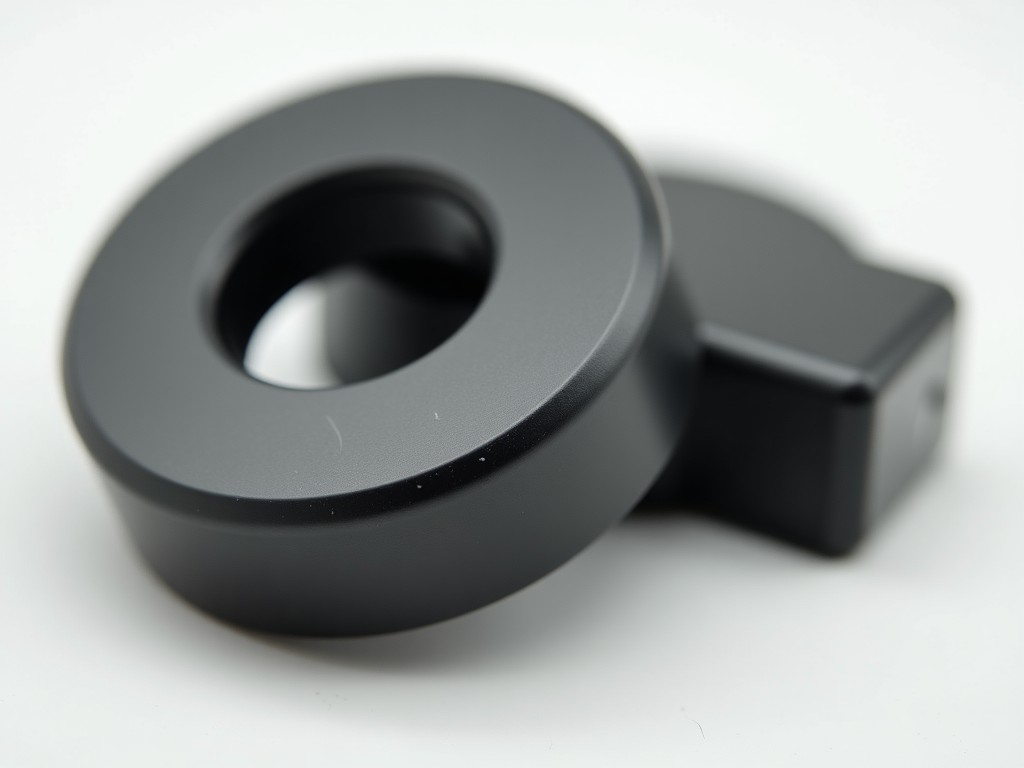
Oem Graphite Key Lock Lube
OEM Graphite Key Lock Lube
Industrial-grade locking mechanisms require precision tolerances to ensure consistent tumbler alignment and smooth shear operation. While traditional oil-based lubricants provide immediate fluidity, they often act as collectors for atmospheric particulates, leading to mechanical binding and cylinder failure over time. OEM graphite-based lock lube addresses this by providing a dry-film interface that reduces kinetic friction without creating a viscous medium that attracts debris.
The molecular structure of graphite allows its layers to slide over one another with minimal resistance. When applied to keyways and internal pins, the graphite particles form a microscopic protective barrier on metal surfaces. This barrier is particularly effective for hardware operating in environments where dust, salt, or humidity would otherwise degrade standard liquid lubricants into an abrasive paste.
Technical Advantages of Graphite-Based Lubrication
One primary advantage of dry-film graphite is its thermal stability. Unlike synthetic greases that may thicken in sub-zero temperatures or thin in high heat, graphite remains structurally consistent across a wide thermal range. This ensures that a lock used in an outdoor industrial facility or a cold-controlled storage unit performs the same regardless of seasonal fluctuations.
Non-conductivity is another critical factor for modern electronic-integrated lock systems. Because graphite does not conduct electricity, it eliminates the risk of short-circuiting sensitive components within smart locks or electronic cylinders. Furthermore, the low coefficient of friction significantly reduces the "gumming" effect, which occurs when petroleum-based oils seize the internal pins of a lock cylinder.
Prevents particulate accumulation in high-dust manufacturing environments.
Provides chemical resistance against common industrial solvents and moisture.
Maintains mechanical integrity without wear on hardened steel and brass components.
Eliminates volatile evaporation that leaves gummy residue over time.
Application Scenarios for Industrial Locks
In marine and coastal industrial zones, salt spray accelerates the corrosion of lock components. Graphite lubricant provides a hydrophobic barrier that prevents moisture from reaching the metal contact points of the pins and springs. This extends the service interval of exterior padlocks and security gates where frequent maintenance access is logistically difficult.
Warehousing facilities processing wood, textiles, or loose fibers benefit significantly from dry-film lubricants. In these environments, standard grease traps airborne fibers, creating a thick sludge that locks the mechanism. The dry nature of graphite ensures that the dust does not adhere, allowing the key to slide through the cylinder freely even after heavy exposure.
Technical Specifications
| Property | Typical Value / Specification |
|---|---|
| Graphite Purity | ≥ 98% High-Grade Graphite |
| Particle Size | 1-5 Microns |
| Operating Temperature | -30°C to +250°C |
| Application Method | Dry Powder or Aerosol Spray |
| Material Compatibility | Brass, Steel, Aluminum, Zinc, Plastics |
Customization and Manufacturing Options
OEM partners often require specific formulations based on the hardware requirements of their products. We offer graphite in both pure powder form for manual application in precision environments and in stabilized aerosol sprays for automated assembly line integration. The carrier solvent in aerosol versions can be adjusted to ensure rapid evaporation or deep penetration into complex key-way geometries.
Packaging solutions are scalable to meet various industrial needs, from bulk 25kg drums for high-volume manufacturing to retail-ready aerosol canisters for finished hardware distribution. Custom labeling and technical data sheet provision are available to integrate the lubricant directly into your brand's quality standards.
Frequently Asked Questions
Can this lubricant damage aluminum lock cylinders?
No, the dry-film graphite is chemically inert and does not react with aluminum, brass, or zinc-alloy alloys commonly used in high-security lock cylinders.
What is the typical application method for OEM integration?
For assembly lines, a measured amount is dispensed into the keyway before the key is inserted and cycled to distribute the graphite particles evenly across the tumbler pins.
Does the graphite lubricant have a shelf life?
When stored in original sealed aerosol containers, the product typically has a shelf life of 3 to 5 years. Pure graphite powder is stable indefinitely if kept from moisture.
Are you seeking specific specifications or bulk OEM formulations for your hardware line?
Request Technical Data and Quotation


×