-
Call Now ! +86 18231158869
-
Email Now [email protected]

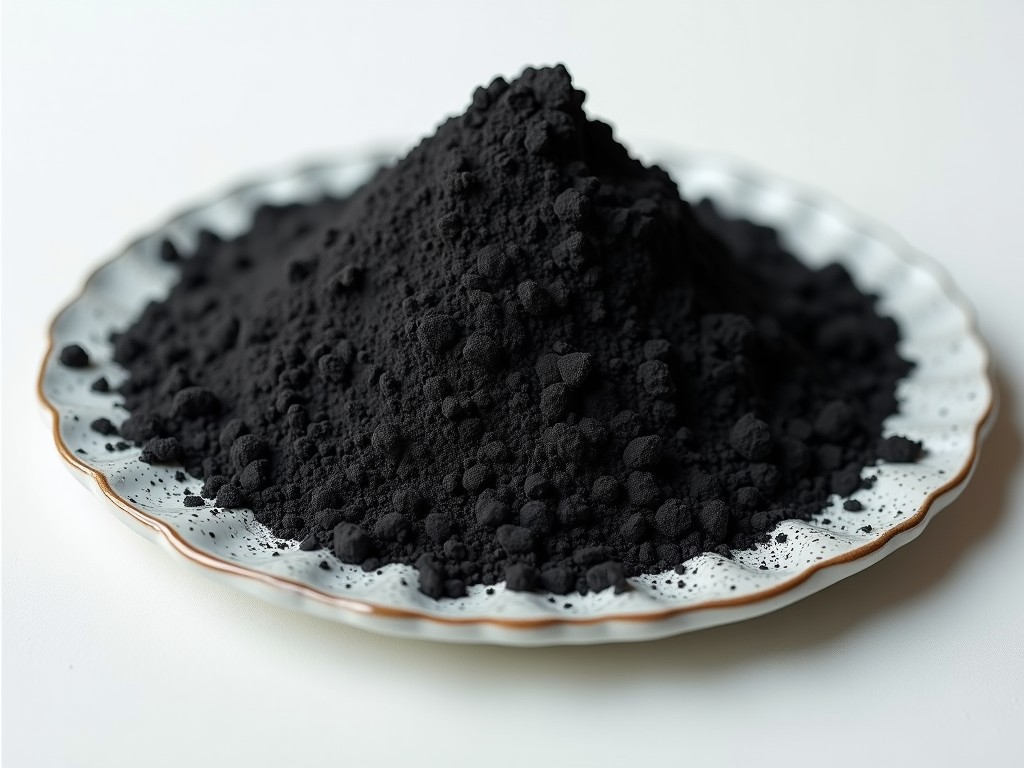
Water Soluble Graphite Powder Source Factory
Water Soluble Graphite Powder Source Factory
Graphite is inherently hydrophobic, making it difficult to integrate into aqueous formulations without specialized chemical modification. To overcome this, water soluble graphite powder undergoes surface functionalization, typically involving the grafting of surfactants or specific chemical binders. This process ensures that the graphite flakes remain suspended in water-based media without rapid sedimentation or agglomeration, providing a stable medium for conductive inks and thermal coatings.
Manufacturing these materials focuses on controlling the particle size distribution and the surface energy of the graphite particles. By utilizing high-energy milling followed by precise chemical treatment, the powder achieves a high surface-area-to-volume ratio, which is critical for applications requiring high electrical or thermal conductivity in the final cured product.
Technical Specifications and Material Properties
| Parameter | Typical Value | Note |
|---|---|---|
| Particle Size (D50) | 0.5μm – 10μm | Customizable based on application |
| Carbon Purity | ≥ 98% | High crystalline grade graphite |
| Electrical Conductivity | 10³ - 10⁵ S/m | Measured on pressed bulk sample |
| Moisture Content | ≤ 0.5% | Ensures powder stability |
| Surface Treatment | Surfactant/Polymer | Ensures water dispersion |
Industrial Applications
The integration of water-dispersible graphite is driven by the shift toward environmentally friendly, low-VOC industrial systems. Because the powder can be stabilized in aqueous environments, it allows for the production of functional coatings that do not rely on harsh organic solvents.
Conductive Inks for Electronics: The graphite flakes provide a continuous path for electrons when cured, allowing for the printing of EMI shielding layers and sensors on flexible paper or plastic substrates. The water-based carrier prevents the degradation of sensitive base materials during high-speed inkjet or screen printing.
Thermal Interface Materials: Used in water-based thermal pastes and paints, the high thermal conductivity of graphite facilitates efficient heat transfer from electronic components to heat sinks while maintaining electrical insulation where required by formulation.
Special Industrial Lubricants: In water-based grease systems, the graphite powder acts as a solid lubricant that remains effective under high pressure conditions without the oxidative breakdown associated with organic oils.
Manufacturing Process and Quality Control
Production begins with the selection of high-purity natural or synthetic graphite. This raw material is subjected to mechanical milling to reduce the flake size to the required micron range. During this stage, temperature control is strictly monitored to prevent the oxidation of the graphite, which would compromise its electrical properties.
Following pulverization, the powder enters a functionalization reactor where surface active agents are introduced. These agents bond to the edges of the graphite flakes, altering the surface tension to allow compatibility with water. The final product is dried using vacuum technology to remove moisture without affecting the chemical bonds established between the treatment and the graphite surface.
Customization Options
Industrial requirements often demand specific performance parameters that match existing resin systems or manufacturing equipment. We offer several paths for customization to ensure the powder integrates seamlessly into your production line.
Particle Size Tuning
Specific mesh sizes or D50 values can be engineered to meet the viscosity requirements of your inks or thin-film coatings.
Concentration Levels
The powder can be supplied as a dry powder or as a pre-dispersed liquid concentrate at specific weight percentages.
Frequently Asked Questions
How is the stability of the dispersion in water verified?
Stability is tested through accelerated aging tests and zeta potential measurements to ensure that the graphite particles do not settle or flocculate over the product's specified shelf life.
Can the powder be customized for specific resin systems?
Yes, the surface treatment can be adjusted to improve compatibility with various epoxy, acrylic, or polyurethane-based water-redible resins.
What is the typical production lead time for bulk orders?
Standard specifications are typically processed within 2 to 3 weeks, while custom-milled or specialized surface treatments may require 4 to 6 weeks depending on volume.
Require technical data sheets or a custom sample for your specific application?
Request Technical Inquiry


×