-
Call Now ! +86 18231158869
-
Email Now [email protected]

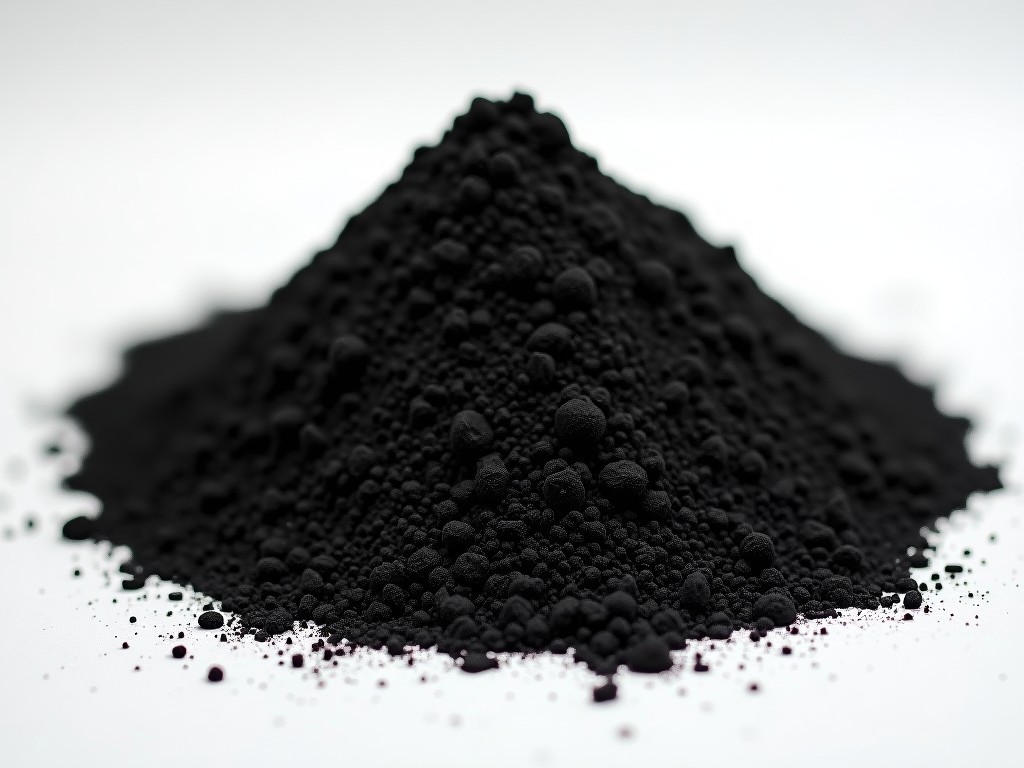
Carbon Black Additive Raiser Filler Suppliers
carbon black additive raiser filler suppliers
Carbon black serves as a critical reinforcement agent in polymer engineering, moving beyond simple pigmentation to fundamentally alter the physical, thermal, and electrical characteristics of the base material. In industrial applications, it functions as a "raiser filler" by elevating the tensile strength, abrasion resistance, and UV stability of composite materials. Selecting the correct grade requires a deep understanding of how particle morphology and surface area interact with specific polymer matrices during the compounding process.
Technical properties of Carbon Black Fillers
The performance of carbon black is primarily dictated by its specific surface area (SSA), particle size distribution, and aggregate structure. A higher surface area typically allows for greater interfacial points with the polymer chains, which results in superior mechanical reinforcement. However, this increased interaction can also raise the melt viscosity during extrusion or injection molding, requiring adjustments to processing parameters to maintain throughput.
Aggregate structure, often referred to as "structure" in industry, determines how the carbon particles group together into clusters. High-structure blacks provide a robust network within the material, significantly increasing the modulus and the tensile strength of rubber-based products. Conversely, low-structure grades are utilized when processability and low energy consumption are prioritized over maximum mechanical reinforcement.
Key Engineering Metrics
Specific Surface Area (SSA): Measured in m²/g, dictates the degree of polymer interaction.
Structure (DBCP): Indicates the diameter of the primary aggregates, affecting reinforcement strength and rheology.
Particle Size: Influences the transparency and surface finish of the final product.
Oil Absorption: A proxy for surface and structure, ensuring consistency across production batches.
Industrial Applications and performance benefits
In the tire industry, carbon black is the primary filler used to enhance durability and rolling resistance. It provides the necessary heat dissipation and structural integrity to withstand the stresses generated by rapid deformation and recovery cycles during operation. Without these additives, rubber components would suffer from structural failure under thermal stress and mechanical wear.
The plastics sector utilizes carbon black as a functional additive to provide UV protection and electrostatic discharge capabilities. By absorbing harmful ultraviolet radiation, the filler prevents the degradation of polymer chains, thereby extending the service life of outdoor components. Furthermore, incorporating highly conductive grades allows for the manufacturing of specialized anti-static housings used in electronic assemblies and fuel-system storage environments.
Coatings and industrial paints leverage carbon black for its exceptional anti-corrosive properties. The dense particles create a physical barrier that prevents oxygen and moisture from reaching the metal substrate, inhibiting oxidation processes. This is essential for infrastructure projects and heavy machinery exposed to harsh maritime or industrial environments.
Selection Criteria for Procurement
Procurement engineers must balance the desired mechanical properties against the technical constraints of their manufacturing line. A high-reinforcement black may offer maximum strength but might increase tool wear on equipment due to its higher abrasiveness. If the primary goal is a low-cost masterbatch with specific flow characteristics, a lower-viscosity grade is often more appropriate.
Environmental and regulatory compliance also plays a role in the selection process. Suppliers must provide documentation ensuring the material meets safety standards for specific contact or environmental impact. Reviewing the technical data sheets (TDS) for heavy metal content and moisture levels is standard practice to ensure consistency across multiple production runs.
| Grade Type | Primary Benefit | Typical Application | Key Metric |
|---|---|---|---|
| Furnace Black (N220) | Maximum Reinforcement | Tires & High-performance Rubber | High SSA |
| Furnace Black (N550) | Balanced Performance | Extruded Pipes & Hoses | Medium Structure |
| Furnace Black (N990) | Low Viscosity | Color Masterbatches | Low Oil Absorption |
| Thermal Black | Thermal Conductivity | Electronic Packaging | High Purity |
Quality Control and Testing Standards
Quality assurance is maintained through rigorous testing against international standards to ensure batch-to-batch consistency. We focus on ASTM D1623 for surface area testing and ASTM D2990 for oil absorption and structure. These metrics ensure that the filler will behave predictably within your compounding equipment, preventing unexpected shifts in production quality.
Additionally, particle size distribution analysis is performed to verify that the morphology meets the specifications required for high-end applications. Consistent particle size prevents the formation of aggregates in the final product, which is critical for maintaining aesthetic clarity and structural uniformity.
Frequently Asked Questions
What information is required before requesting a quotation?
To provide an accurate quote, we require the polymer type, the desired mechanical properties (e.g., tensile strength, conductivity), and estimated annual volume. This allows us to recommend the most cost-effective grade that meets your technical requirements.
Are samples available for laboratory-scale testing?
Yes, technical samples are provided to allow your engineering team to validate the filler performance within your specific formulation before full-scale procurement.
What is the typical production lead time for bulk orders?
Lead times vary based on the specific grade and current manufacturing capacity. We provide a detailed timeline upon receipt of a formal request for quotation (RFQ).
Are you looking to optimize your polymer composites with high-performance carbon black fillers?
Contact Our Technical Team for a Consultation


×