-
Call Now ! +86 18231158869
-
Email Now [email protected]

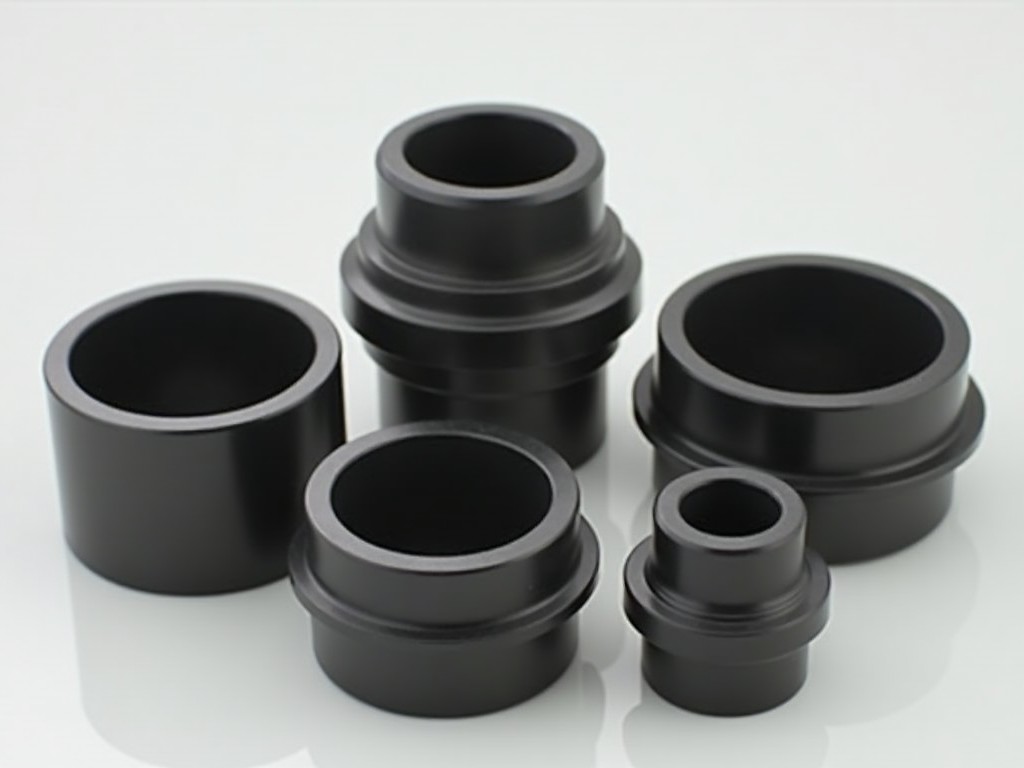
Carbonizing Steel Carborizer Carburizer Supplier
Carbonizing Steel Carborizer Carburizer Supplier
Carburizing is a specialized thermochemical process designed to increase the surface hardness of low-carbon steel components. By diffusing controlled carbon into the surface layer at high temperatures, engineers can create a component with a wear-resistant exterior while maintaining a ductile, impact-resistant core. This gradient property is essential for industrial parts subjected to high contact loads and frictional stress, where brittle failure would result in catastrophic service life.
Technical Principles of Steel Carburizing
The process operates on the metallurgical behavior of steel within the austenitic range, typically between temperatures of 850°C and 950°C. At these temperatures, the steel's crystalline structure transforms into austenite, which possesses a higher solubility for carbon compared to ferrite. The rate of carbon diffusion is governed by Fick's laws and the carbon potential of the furnace atmosphere, which must be meticulously adjusted throughout the heating cycle.
Precision control of the atmosphere is vital to prevent decarization or inconsistent case depth. If the carbon potential is too high, excessive carbides may form on the surface, leading to brittleness. Conversely, a low carbon potential will fail to achieve the required hardness post-quenching. Modern carburizers utilize oxygen sensors and mass flow controllers to maintain a narrow window of chemical equilibrium in real-time.
Key Components of Industrial Carburizers
Industrial-grade carburizing systems are composed of integrated subsystems designed to ensure thermal uniformity and chemical consistency. The furnace assembly must provide high thermal stability to prevent hot spots that could cause uneven carbon diffusion across a large batch.
Atmosphere Control Unit: Includes high-precision oxygen probes and infrared analyzers to monitor and regulate carbon potential ($C_p$).
Heating System: Utilizes either gas burners, electric elements, or induction heating to maintain temperature tolerances within ±5°C.
Quenching Mechanism: High-pressure gas or oil quench systems designed for rapid cooling to transform martensite while minimizing distortion.
Circulation Fans: High-velocity fans ensure uniform gas and temperature distribution throughout the load chamber.
Material Specifications and Performance Data
| Material Grade | Typical Carbon Content | Target Case Depth | Surface Hardness (HRC) |
|---|---|---|---|
| 8620 Steel | 0.15% - 0.25% | 0.5mm - 2.5mm | 58 - 62 HRC |
| 4320 Steel | 0.10% - 0.20% | 0.3mm - 3.0mm | 57 - 63 HRC |
| 9310 Steel | 0.10% - 0.20% | 0.4mm - 4.0mm | 55 - 64 HRC |
Industrial Applications of Carburizing
The selection of carburizing is driven by the mechanical requirements of the end-use. Components that experience high surface contact pressures but are subject to shock loads are the primary candidates for this treatment.
In the heavy machinery sector, transmission gears are carburized to prevent pitting and scuffing on the teeth while ensuring the gear core can flex without snapping under torque spikes. Similarly, heavy-duty shafts and camshafts utilize carburizing to maintain dimensional stability and wear resistance against abrasive environments. In automotive manufacturing, valve train components often undergo this process to extend their service interval under high-frequency reciprocating loads.
Quality Control and Carburizing Standards
Quality assurance in carburizing involves rigorous verification of both the chemical composition and the mechanical profile. We employ microhardness testing to determine the effective case depth, ensuring the carbon profile meets the engineering specifications defined for the part.
Microstructural analysis is also performed to confirm the presence of a martensitic structure and to check for retained austenite. Excessive retained austenite can reduce the dimensional stability of the part, making controlling the quenching rate critical. We adhere to international standards such as AMS 2500 for heat treatment and carburizing of steel alloys.
Frequently Asked Questions
Can the case depth be customized for specific geometries?
Yes, case depth is a function of the time at temperature and the carbon potential. By adjusting the cycle parameters, we can achieve specific depths ranging from thin gears to thick shafts.
What information is required before a quotation?
To provide an accurate quote, we require the base material grade, the required surface hardness (HRC), the target case depth, and the volume of parts per batch.
How are export shipments protected?
Industrial carburizing equipment is packed in moisture-treated wooden crates with heavy-duty bracing to prevent oxidation and mechanical damage during international transit.
Selecting the right carburizing solution requires a deep understanding of material science and process control. Our engineering team provides the technical support necessary to ensure your components meet stringent performance benchmarks.
Inquire for Technical Consultation


×