-
Call Now ! +86 18231158869
-
Email Now [email protected]

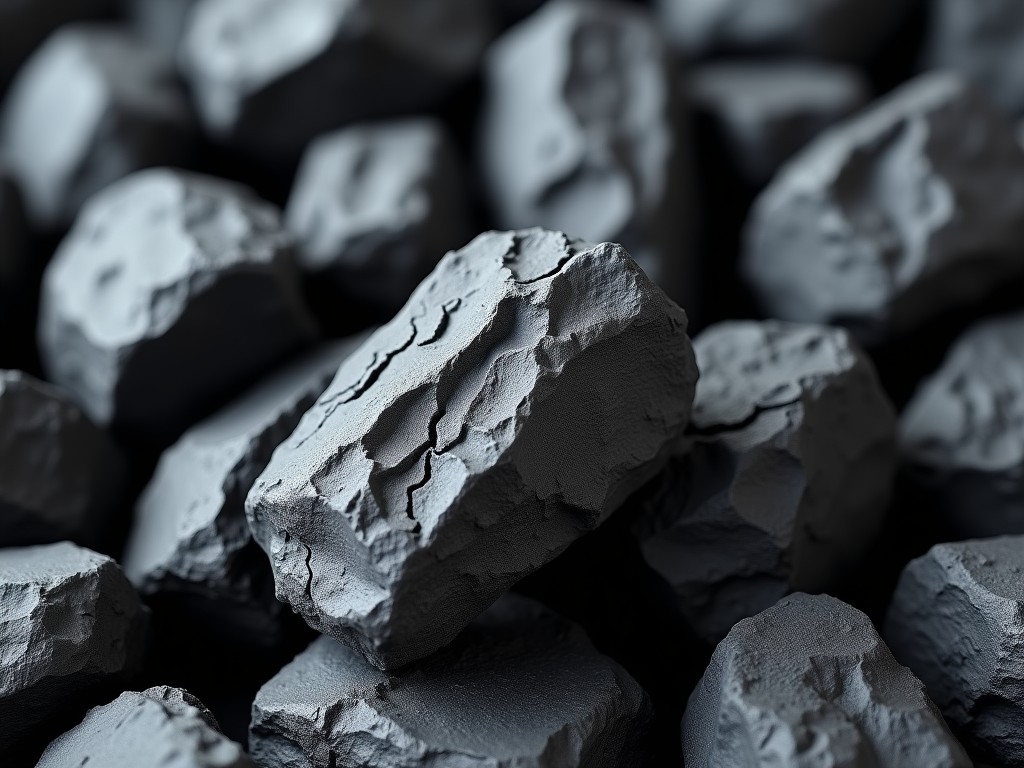
China Gas Calcined Anthracite Coal
China Gas Calcined Anthracite Coal Technical Specifications and Applications
Calcined anthracite coal represents a specialized grade of fuel produced through controlled thermal decomposition in oxygen-deficient environments. Unlike raw anthracite, the gas-grade material undergoes calcination to eliminate volatile components, resulting in a product with high fixed carbon content and enhanced structural stability. This process alters the internal pore structure of the coal, making it suitable for industrial processes where consistency and low emission output are critical.
The thermal treatment typically occurs at temperatures between 1000°C and 1200°C. By removing moisture, hydrocarbons, and tars, the resulting calcined anthracite becomes chemically more inert at lower temperatures. For engineers managing gasification or metallurgical processes, this stability translates to predictable combustion rates and a reduced risk of fouling in high-temperature refractory equipment.
The Calcination Process and Material Transformation
The calcination phase is the primary differentiator between standard coal and gas-grade anthracite. During this heating cycle, the volatile matter is driven off, leaving behind a dense carbonaceous matrix. This transformation increases the bulk density of the material compared to its raw state, allowing for more efficient volumetric energy storage in industrial feeding systems.
Structural integrity is also improved during this phase. The calcined particles exhibit higher mechanical hardness, which minimizes degradation during transport via pneumatic or mechanical handling systems. Maintaining a consistent particle size distribution is vital for preventing dust formation, which can impact operational safety in sensitive industrial applications like fluidized bed reactors or gas filters.
Technical Performance Specifications
| Parameter | Typical Value / Range | Method/Standard |
|---|---|---|
| Fixed Carbon (%) | 90% - 95% | ASTM D3172 |
| Volatile Matter (%) | < 5% | ISO 18175 |
| Ash Content (%) | < 8% | ASTM D3174 |
| Moisture Content (%) | < 2% | ISO 1854 |
| Calorific Value (kcal/kg) | 7000 - 8000 | Higher Heating Value |
| Particle Size (Mesh) | Customizable | Per project requirement |
Industrial Applications
The primary utility of China gas-grade calcined anthracite is in the production of syngas. Because the material has low volatile matter, it undergoes a cleaner gasification process, reducing the formation of tars that typically clog downstream equipment. This makes it a preferred feedstock for chemical synthesis plants requiring pure hydrogen for ammonia production or methanol manufacturing.
In the metallurgical sector, calcined anthracite serves as an effective reducing agent. Its high fixed carbon content allows for precise temperature control in reduction furnaces without introducing significant impurities into the slag. The low ash content ensures that the resulting slag remains manageable and does not compromise the chemical properties of the final metal product.
Another niche application involves the use of calcined anthracite in high-temperature filtration media. The specific porosity and thermal resistance of the material allow it to capture particulate matter while maintaining high gas flow rates. This is particularly relevant in industrial exhaust cleaning systems where standard carbon filters would fail under thermal stress.
Quality Assurance and Logistic Considerations
Procurement teams require rigorous verification of chemical and physical properties across batches. Each shipment is typically analyzed for sulfur content, chlorine, and phosphorus levels to ensure they fall within the tolerance thresholds of sensitive catalysts used in the buyer's reactors. These data points are provided in technical analysis reports to facilitate engineering integration.
Logistics for calcined anthracite focus on preventing moisture ingress and physical degradation. The material is often packed in moisture-proof 25kg bags or 1000kg big bags to maintain the low moisture levels specified. For large-scale industrial projects, bulk containerization or bulk loading is utilized, with protective liners to safeguard the product integrity during maritime transit.
Request Technical Consultation
If your project requires specific particle size distributions or customized chemical profiles for gasification processes, please contact our technical sales team.
Contact for a formal quotation and data sheet →


×