-
Call Now ! +86 18231158869
-
Email Now [email protected]

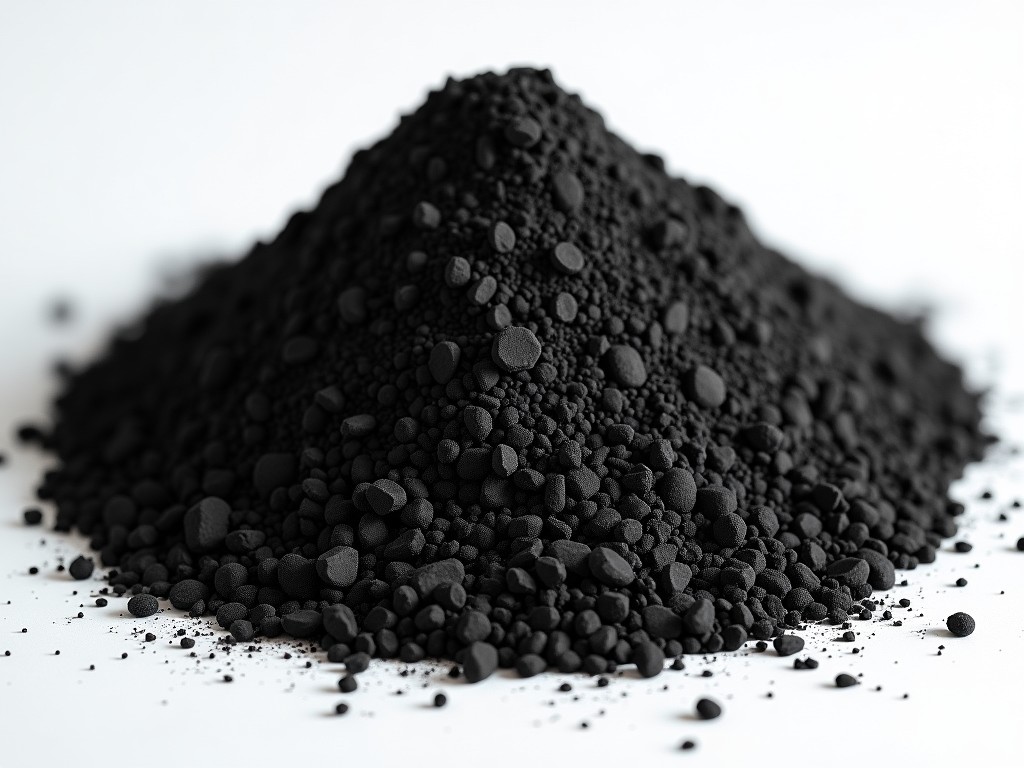
Graphitized Petroleum Coke Manufacturers
Graphitized Petroleum Coke Manufacturers
Graphitized petroleum coke (GPC) represents a high-purity evolution of carbonaceous material, derived through the thermal treatment of needle coke petroleum coke under extreme temperatures. Unlike standard petroleum coke, the graphitization process alters the molecular structure from an amorphous state to a highly crystalline graphite structure. This transformation is essential for industrial applications where high electrical conductivity, exceptional thermal stability, and chemical inertness are non-negotiable requirements.
The Graphitization Process
The manufacturing sequence begins with specialized induction furnaces where temperatures reach levels typically between 2,500°C and 3,000°C. At these thermal extremes, the carbon atoms rearrange themselves into hexagonal planar layers, increasing the degree of crystallinity. This structural shift significantly reduces impurities such as sulfur and metallic metals, which are often detrimental in high-performance environments.
Control over the heating rate and soaking time is critical to determining the final properties of the material. Rapid cooling can lead to internal stresses, whereas controlled cooling ensures a stable product with tailored electrical resistivity. Manufacturers monitor the gas evolution during this phase to ensure the final material meets stringent purity specifications for electrochemical applications.
Key Technical Specifications and Properties
The performance of graphitized petroleum coke is dictated by its physical and chemical parameters, which vary based on grade. The following table outlines typical values observed in industrial-grade GPC materials.
| Property | Typical Value (Project Dependent) |
|---|---|
| Density | 1.8 - 1.95 g/cm³ |
| Electrical Resistivity | 10 - 25 µΩ·cm |
| Thermal Conductivity | 100 - 150 W/(m·K) |
| Sulfur Content | < 0.05% |
| Ash Content | < 0.01% |
Industrial Applications
Selection of graphitized petroleum coke is driven by the specific technical demands of the end-use environment. In the aluminum industry, GPC is the primary material for sacrificial anodes. The low electrical resistance of the graphitic material minimizes energy consumption during the Hall-Héroult electrolysis process, directly reducing operational costs for smelters.
Aluminum Smelting: Provides chemical resistance to molten salts while maintaining structural integrity under high current.
Steel Manufacturing: Used in specialized electrodes where high thermal shock resistance and oxidation stability are required.
Nuclear Industry: Employed in components requiring high neutron absorption cross sections and dimensional stability.
Refractories: Serves as a stabilizing agent in high-temperature carbonaceous refractory bricks.
Quality Control and Testing Standards
Quality assurance for GPC involves rigorous testing of structural integrity and chemical purity. X-ray diffraction (XRD) is frequently utilized to measure the degree of crystallinity, ensuring the material has achieved the necessary graphite structure. This metric is vital for predicting the electrical and thermal performance limits.
Mechanical strength tests are also performed to ensure the coke can withstand the physical stresses of transport and industrial installation. Furthermore, chemical analysis confirms that trace elements like sulfur and vanadium remain below the thresholds required to prevent contamination in sensitive metallurgical processes.
Customization and Procurement Logistics
Procurement teams often require specific dimensions or particle sizes to match existing manufacturing equipment. Manufacturers can provide GPC in various forms, including crushed blocks, granules, or molded shapes, depending on the application requirements.
Logistics planning for heavy carbon materials requires specialized packaging to prevent moisture absorption or physical degradation during transit. Standard shipping methods typically include reinforced bulk bags or wooden crates, and lead times are determined by the order volume and the specific graphitization cycle-time required.
Need to discuss technical requirements for your specific project?
For detailed specifications regarding graphitized petroleum coke or to request samples, contact our engineering support team.
Inquire Technical Data


×