-
Call Now ! +86 18231158869
-
Email Now [email protected]

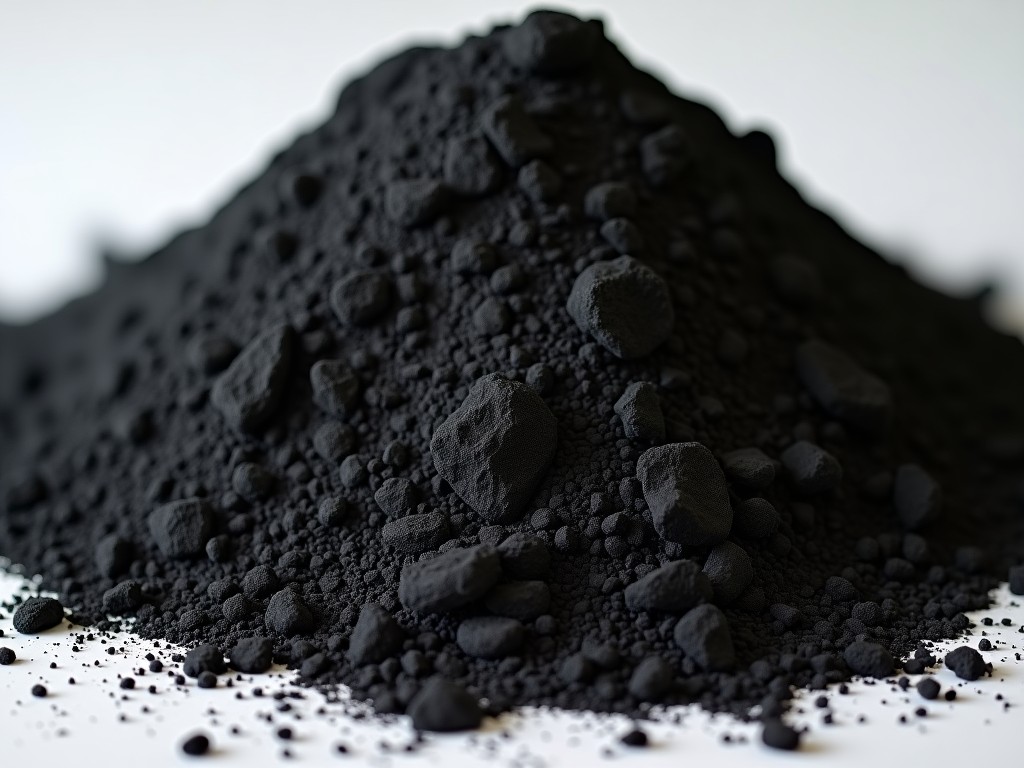
Graphitized Petroleum Coke Suppliers
Graphitized Petroleum Coke Suppliers
Graphitized petroleum coke (GPC) is a specialized carbonaceous material derived through the thermal treatment of petroleum coke at extreme temperatures. Unlike standard calcined petroleum coke, GPC undergoes a structural transformation that converts amorphous carbon into a highly crystalline graphite structure. This process results in a material with exceptional electrical conductivity, thermal stability, and chemical resistance, making it indispensable for environments where standard carbon would fail.
The procurement of GPC requires a deep understanding of the graphitization parameters and the purity of the feedstock. Industrial users evaluate the material based on crystallinity, sulfur content, and electrical resistivity, as these factors directly dictate the performance in high-temperature metallurgical and nuclear applications.
The Graphitization Process
The transformation begins when petroleum coke is placed in induction furnaces and heated to temperatures ranging between 2500°C and 3000°C. At these extreme temperatures, the carbon atoms rearrange themselves into ordered, hexagonal layers, known as the graphite lattice. This thermal treatment is critical for eliminating internal stresses and significantly increasing the material's thermal and electrical properties.
During the graphitization cycle, volatile elements such as sulfur, nitrogen, and trace metals are thermally driven off. The removal of these impurities is vital for applications requiring high purity, where even trace contamination could compromise structural integrity. The rate of heating and the precise soaking temperature determine the final degree of graphitization, which is often measured via X-ray diffraction (XRD).
Technical Specifications
The following table outlines the typical properties of high-grade graphitized petroleum coke. These values may vary based on the specific precursor petroleum coke and the temperature applied during the graphitization process.
| Property | Typical Values / Range |
|---|---|
| Density | 1.8 - 2.2 g/cm³ |
| Electrical Resistivity (at 25°C) | 5 - 25 μΩ·cm |
| Thermal Conductivity | 50 - 150 W/m·K |
| Sulfur Content | < 0.005% |
| Ash Content | < 0.01% |
| Porosity | 5% - 15% |
Industrial Applications
Graphitized petroleum coke is selected for industries where materials must withstand extreme thermal stress or maintain high electrical efficiency.
Aluminum Industry: GPC is used in the production of high-performance anode electrodes. Its low electrical resistivity and high thermal conductivity minimize energy consumption during the electrolysis process and extend the life of the anode.
Nuclear Energy: Due to its low neutron absorption cross-section and dimensional stability under high radiation, GPC is utilized in reactor components and control rods.
Heat Exchangers: The high thermal conductivity of graphitized carbon allows it to function effectively in heat transfer in or high-temperature environments where metals would degrade.
Steelmaking: It serves in specialized components like crucibles and lining materials where resistance to molten metal attack and thermal shock is a requirement.
Quality Control and Inspection
Ensuring the consistency of GPC involves rigorous testing protocols that verify both physical and chemical properties. Suppliers typically employ X-ray diffraction (XRD) to calculate the crystallinity index, which provides a quantitative measure of the graphitization degree.
Electrical resistivity testing is another primary quality gate, as any deviation from expected values indicates impurities or incomplete graphitization. Furthermore, chemical analysis is performed to ensure that sulfur and ash content remain within the strict thresholds required by the industrial end-user.
FAQ
Can dimensions be customized for specific components?
Yes, GPC can be supplied in bulk form, granules, or machined into specific shapes based on engineering drawings and project requirements.
What is the typical production lead time for large orders?
Lead times depend on the order volume and the complexity of the graphitization cycle, typically ranging from 8 to 12 weeks for industrial quantities.
How are export shipments protected?
GPC is usually packed in moisture-resistant bulk bags or heavy-duty wooden crates to prevent contamination and mechanical damage during international transit.
Technical consultation and material-specific data sheets are available for specific project requirements.
Request a Technical Quotation


×